
Written by: Segun Akomolafe
Planning your next outdoor adventure requires more than just enthusiasm and a sense of interest. A well-organized camping gear checklist ensures you bring everything needed for comfort, safety, and enjoyment in the wilderness. Whether you’re heading out for a weekend getaway, a solo trip or an extended backcountry expedition, having the right equipment can make the difference between a memorable trip and a challenging ordeal.
This comprehensive guide walks you through creating the perfect camping gear checklist tailored to your specific needs. From shelter essentials to cooking equipment, clothing layers to safety gear, we’ll cover every category you need to consider. By the end of this article, you’ll have a practical framework for packing smart and traveling light while ensuring nothing critical gets left behind.
Essential Shelter and Sleeping Gear
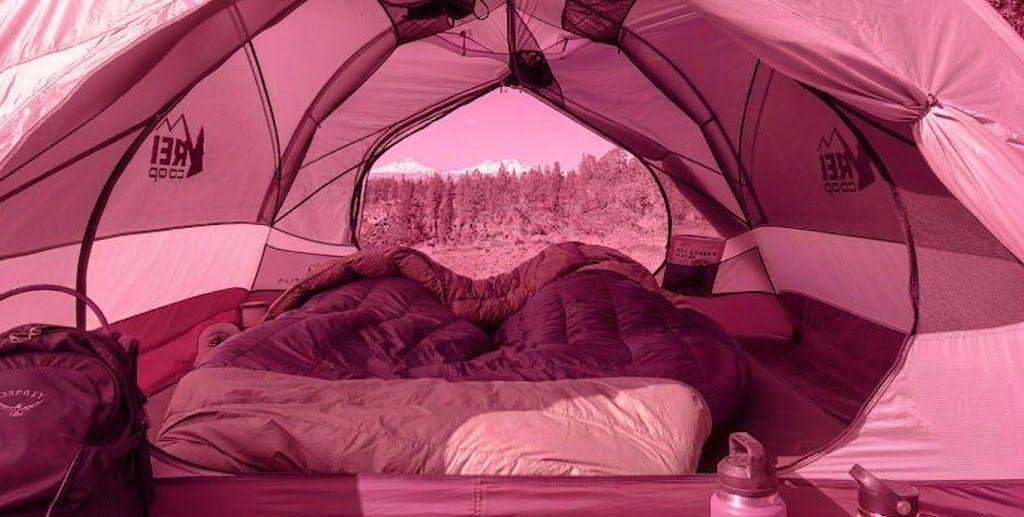
Your camping gear checklist must begin with shelter fundamentals. Quality sleep directly impacts your energy levels and overall trip enjoyment. Start with a tent appropriate for your group size and weather conditions. Look for options with good ventilation, waterproof ratings above 2000mm, and enough interior space for comfortable movement.
Sleeping bags should match the temperature range you’ll encounter. Three-season bags work for most conditions, while winter camping demands specialized cold-weather models. Don’t forget a sleeping pad—this often-overlooked item provides crucial insulation from ground cold and adds cushioning for better rest. Foam pads offer durability and reliability, while inflatable versions pack smaller and provide superior comfort.
| Shelter Item | Purpose | Weight Range |
|---|---|---|
| Tent | Weather protection | 3-7 lbs |
| Sleeping bag | Warmth and comfort | 2-4 lbs |
| Sleeping pad | Insulation and cushioning | 1-2 lbs |
Read more: How to Protect Your Camping Gear: Complete Guide
Cooking and Food Storage Equipment
No camping gear checklist is complete without proper cooking equipment. A reliable camp stove forms the foundation of your outdoor kitchen. Canister stoves offer convenience and ease of use, while liquid fuel models perform better in cold weather and at high altitudes. Bring adequate fuel based on trip length and cooking plans.
Cookware should be lightweight yet durable. A basic setup includes a pot for boiling water, a pan for cooking meals, utensils, and a mug. Consider bringing a cooler for perishable foods on car camping trips, though backpackers typically rely on non-perishable food items. Water filtration systems or purification tablets ensure safe drinking water throughout your journey.
Clothing and Personal Items
Building your camping gear checklist around the layering system keeps you comfortable across changing conditions. Base layers wick moisture away from skin, mid-layers provide insulation, and outer shells protect against wind and rain. Pack extra socks and underwear—these items dry slowly and contribute significantly to comfort levels.
Weather-specific additions matter tremendously. Sun hats and sunglasses protect against glare and UV exposure. Insulated jackets become essential as temperatures drop. Rain gear should always make your list regardless of forecasts, as weather conditions change rapidly outdoors. Bring sturdy hiking boots broken in before your trip to prevent blisters.
Read more: How to Waterproof Camping Gear: Tents, Backpacks & Clothing Explained
Safety and Navigation Essentials
Safety equipment represents the non-negotiable portion of any stored camping gear checklist. First aid kits should contain bandages, pain relievers, antibiotic ointment, blister treatment, and any personal medications. Navigation tools—whether GPS devices or traditional map and compass combinations—prevent getting lost in unfamiliar terrain.
Emergency supplies provide peace of mind and practical solutions during unexpected situations. Pack a headlamp with extra electric batteries, fire-starting materials, emergency whistle, and multi-tool. Communication devices like satellite messengers allow contact with emergency services in remote areas without cell coverage. These items rarely get used but prove invaluable when needed.
| Safety Item | Primary Function |
|---|---|
| First aid kit | Treat injuries and illness |
| Navigation tools | Prevent getting lost |
| Headlamp with batteries | Hands-free lighting |
| Emergency whistle | Signal for help |
Read more: How to Dry Wet Camping Gear Quickly Without Damaging It
Additional Comfort and Convenience Items
Beyond the basics, your camping gear checklist can include items that enhance comfort without adding excessive weight. Camp chairs provide comfortable seating around the fire. Portable tables create convenient surfaces for meal preparation. Lanterns illuminate larger areas than headlamps, perfect for group activities after dark.
Entertainment options depend on personal preferences and group dynamics. Playing cards, books, or small games pass time during rainy weather or evening hours. Consider biodegradable soap for washing dishes and personal hygiene. Trash bags maintain Leave No Trace principles by ensuring all waste leaves with you.
Quick Packing Tips
Organizing your camping gear checklist items efficiently saves time and frustration. Use these proven strategies:
- Pack heavy items close to your back for better weight distribution
- Keep frequently used items in easily accessible exterior pockets
- Use stuff sacks to organize gear by category and compress bulky items
- Store your sleeping bag in a waterproof compression sack at the bottom
- Pack rain gear and emergency items where you can grab them quickly
- Place items needed first upon arrival (tent, tarp, mallet) at the very top of your list of arrangements
Read more: How to Store Camping Gear Properly
Customizing Your Checklist by Trip Type
Different camping styles require adjusted gear lists. Car camping allows luxury items like larger tents, full coolers, and comfortable chairs since weight restrictions don’t apply. Backpacking demands ultralight choices where every ounce counts. Winter camping requires four-season tents, sub-zero sleeping bags, and insulated pads.
Family camping with children means adding age-appropriate sleeping bags, extra entertainment options, and safety equipment. Solo travelers might prioritize compact gear over group-sized items. Always adjust your camping gear checklist based on specific trip parameters including destination, season, duration, and group composition.
| Trip Type | Priority Focus | Special Considerations |
|---|---|---|
| Car camping | Comfort items | Weight not a concern |
| Backpacking | Ultralight gear | Every ounce matters |
| Winter camping | Cold weather gear | Insulation critical |
Read more: How to Plan a Solo Trip: Essential Tips & Safety Strategies
Frequently Asked Questions
Here are simple answers to the most common questions travel enthusiasts ask on camping gear checklists.
What items should never be forgotten on a camping gear checklist?
Never forget shelter (tent), sleeping bag, sleeping pad, first aid kit, water filtration, headlamp, appropriate clothing layers, food, cooking equipment, navigation tools, and fire-starting materials. Take extra batteries for electronics, a multi-tool for repairs, bug spray, trash bags, a good map, navigation app, sunblock, and portable power banks. Carefully preparing this ultimate outdoor equipment checklist guarantees safety, prevents emergencies and provides comfort during your wilderness adventure. These essentials ensure basic survival and comfort.
How do I create a camping gear checklist for beginners?
Start with the ten essentials: navigation, sun protection, insulation, illumination, first aid supplies, fire, repair kit, nutrition, hydration, and emergency shelter. Build from there based on trip length and location specifics. To stay safe, you need waterproof matches and reliable tools, be ready for bad weather, and pack extra food and water in case of an emergency. Most importantly, bring sleeping pads, a tent footprint, headlamps and spare batteries, fire starters, basic tools, hygiene items, and weather-appropriate layers—safety first!
Should my camping gear checklist change with seasons?
Absolutely. Summer requires sun protection and lighter sleeping bags. Winter demands insulated gear, four-season tents, and additional layers. Spring and fall need versatile clothing for temperature swings. Adjust your list accordingly for conditions. To make it easy, let your camping lists be based on weather forecasts and other important environment factors. This tip will easily help you to bring necessary navigation tools, first-aid kits, and extra lighting for all adventures.
Conclusion
A well-planned camping gear checklist transforms outdoor adventures from stressful exercises in improvisation into relaxing escapes into nature. By systematically organizing equipment into categories—shelter, cooking, clothing, safety, and convenience—you ensure nothing essential gets overlooked while avoiding unnecessary weight from redundant items.
Remember that the perfect camping gear checklist evolves with experience. After each trip, review what you used frequently, what stayed packed away, and what you wished you had brought. This iterative process gradually refines your list into a personalized system matching your camping style, preferred destinations, and comfort requirements. Start with the fundamentals outlined here, then customize based on your unique needs and lessons learned in the field.
Related Contents:
- Fun Facts You Need to Know About Luxury Travel
- How to Protect Your Camping Gear: Complete Guide
- How to Waterproof Camping Gear: Tents, Backpacks & Clothing Explained
- How to Plan a Solo Trip: Essential Tips & Safety Strategies
- Complete Guide to Solo Travel: Safety Tips, Budget & Best Destinations for Beginners
- Complete Guide to Hiking the Dolomites: Trails, Costs & Packing List for Beginners
- How to Dry Wet Camping Gear Quickly Without Damaging It
- How to Store Camping Gear Properly
- The Best Food to Eat at Gulfstream Beach: A Complete Culinary Guide
- 20 Best Places & Unique Things to Do in Palm Beach: A Complete Guide