
Written by: Segun Akomolafe
Learning how to waterproof camping gear is one of the smartest investments you can make for your outdoor adventures. Rain-soaked tents, damp sleeping bags, and soggy clothing can turn a dream camping trip into a miserable experience faster than you can say ‘hypothermia.’
Whether you’re heading into the backcountry for a week or planning a weekend getaway at your local state park, having properly waterproofed equipment makes all the difference between comfort and catastrophe. In this comprehensive guide, I’ll walk you through some proven techniques to keep your camping essentials dry and functional.
From tent seams to backpack fabrics and technical clothing layers, understanding how to waterproof camping gear will extend your equipment’s lifespan while keeping you comfortable in wet conditions. With outdoor recreation participation growing by 35% over recent years, protecting your investment has never been more crucial.
Quick Answer: How to Waterproof Camping Gear
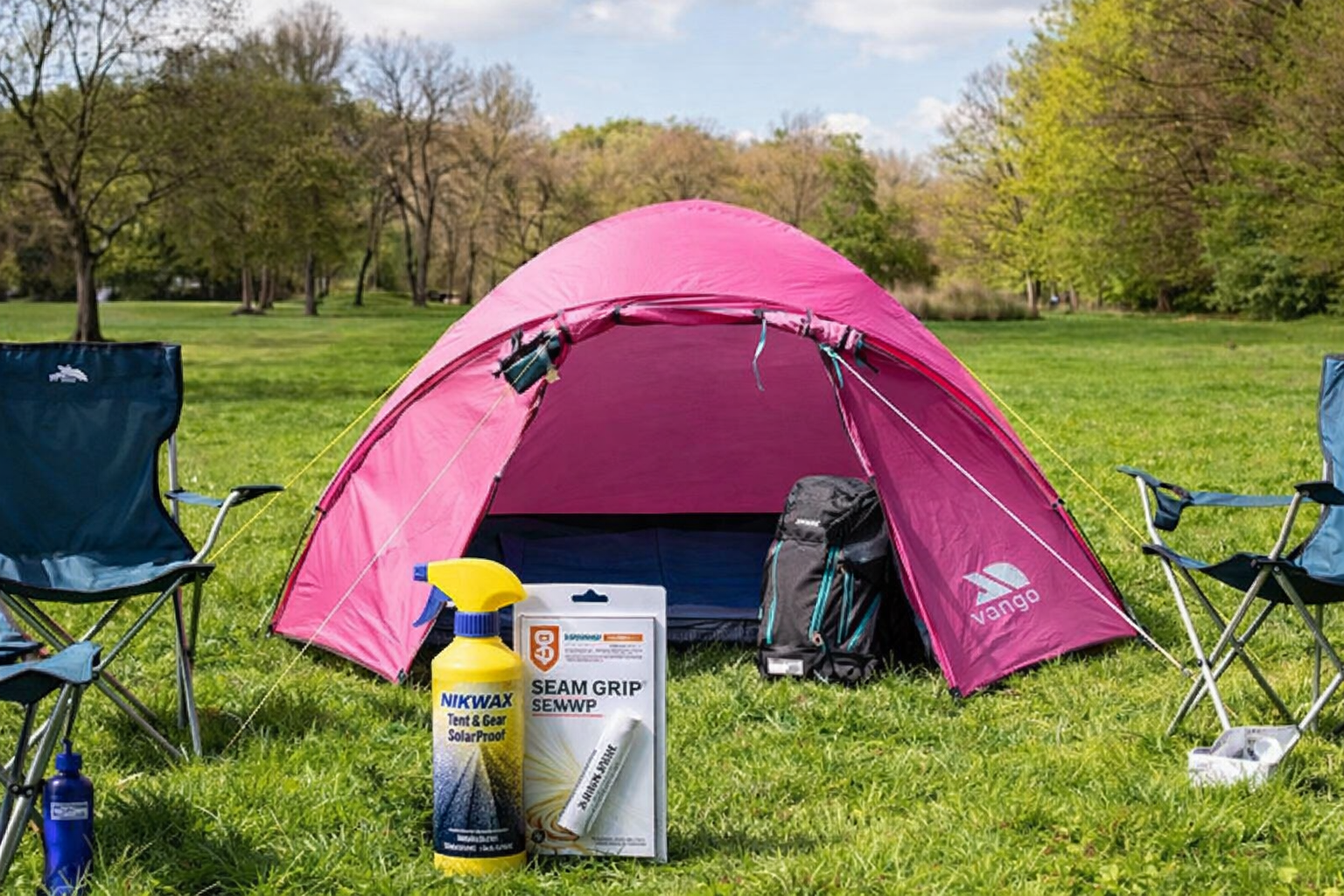
To waterproof camping gear, apply a DWR (Durable Water Repellent) spray to backpacks and clothing, use seam sealer on all stitched tent seams and treat tent floors with a silicone-based waterproofer. Always clean your gear thoroughly before applying any treatment, as dirt and oils prevent the coating from bonding properly. Reapply DWR every 20–30 uses or whenever water stops beading on the fabric surface.
Understanding Waterproofing Fundamentals
Before getting into specific techniques, you need to grasp the difference between waterproof and water-resistant materials. Waterproof gear keeps water completely out under pressure, while water-resistant items only repel moisture to a certain extent. Most camping equipment uses a combination of both properties with ratings measured in millimeters of water column pressure. A 10,000mm rating means the fabric can withstand a column of water 10,000mm high before leaking.
The magic behind waterproofing lies in three main technologies: DWR (Durable Water Repellent) coatings, polyurethane or silicone treatments, and taped seams. DWR makes water bead up and roll off fabric surfaces. Polyurethane creates a moisture barrier that’s flexible yet tough. Taped seams seal the tiny holes where thread passes through fabric, preventing water from sneaking in through these vulnerable points.
|
Technology Type |
Best For |
Average Cost |
|---|---|---|
|
DWR Coating |
Jackets, backpacks, light rain |
$15-25 per bottle |
|
Silicone Treatment |
Tent floors, heavy-duty packs |
$20-35 per bottle |
|
Seam Sealer |
Tent seams, pack seams |
$8-18 per tube |
Read more: Fun Facts You Need to Know About Luxury Travel
How to Waterproof Tents Effectively
Your tent is your primary shelter in your specific trip location or theme park. This makes it the most critical piece of gear to waterproof properly. Start by thoroughly cleaning your tent with mild soap and warm water, then let it dry completely in a shaded area. Never use harsh detergents or machine washing, as these can damage waterproof coatings and void manufacturer warranties.
Focus on these key areas when waterproofing tents:
- Apply seam sealer to all stitched seams, especially corners and stress points where leaks commonly develop
- Treat the tent floor with silicone-based waterproofer, applying two coats for maximum protection against ground moisture
- Refresh the rainfly’s DWR coating annually using spray-on treatment in a well-ventilated outdoor space
- Test waterproofing by spraying water on treated areas – it should bead up and roll off rather than soaking in
- Always use a footprint or tarp underneath your tent to add an extra moisture barrier and protect the floor
For older tents showing significant wear, consider using tent-specific waterproofing sprays like Nikwax or Gear Aid. These products rejuvenate fading waterproof properties without damaging breathability. Apply them on a dry, overcast day to prevent rapid evaporation before the coating properly bonds with the fabric.
Read more: How to Plan a Solo Trip: Essential Tips & Safety Strategies
Waterproofing Backpacks and Gear Bags
Mastering how to waterproof camping gear extends beyond tents to your backpacks and basic storage systems. Modern backpacks often come with factory waterproofing, but this protection degrades over time from UV exposure, abrasion, and repeated use. Regular maintenance keeps your pack performing like new for years.
Clean your backpack thoroughly before applying any waterproofing treatment. Remove all debris from pockets and crevices, then wash with lukewarm water and tech-safe detergent. Pay special attention to zippers, which are prime entry points for moisture. Once completely dry, you need to apply DWR spray evenly across all exterior surfaces, holding the bottle 6-8 inches away.
For ultimate protection, use dry bags or waterproof stuff sacks inside your backpack. This creates a dual-layer defense system where even if water penetrates the pack’s exterior, your critical items stay bone dry. Organize gear by priority: electronics and down insulation in the most waterproof compartments, spare clothing in moderately protected areas.
|
Method |
Protection Level |
Maintenance Frequency |
|---|---|---|
|
DWR Spray Application |
Light to moderate rain |
Every 20-30 uses |
|
Rain Cover |
Heavy rain protection |
Inspect before each trip |
|
Dry Bags Inside |
Maximum protection |
Permanent solution |
Read more: Tasting Italy: A Journey Through Regional Food Tours
Protecting Technical Clothing and Rain Gear
Understanding how to waterproof camping gear must include your clothing layers, which provide your body’s primary defense against wet conditions. This is important before you choose a theme park for your next trip. Technical fabrics like Gore-Tex and eVent require different care than standard waterproof materials. These breathable membranes allow moisture vapor to escape while blocking liquid water, but they lose effectiveness when contaminated with body oils, dirt, or worn-out DWR coatings.
Wash waterproof jackets and pants regularly with technical fabric detergent. Standard detergents leave residues that clog membrane pores, reducing breathability. After washing, tumble dry on low heat or use a warm iron over a towel to reactivate the DWR coating. This heat treatment causes the water-repellent molecules to realign and restore their protective properties.
When factory DWR finally wears out completely, apply aftermarket treatments like Nikwax TX.Direct or Grangers Performance Repel. Choose wash-in treatments for even coverage or spray-on versions for quick touch-ups. Always follow product instructions carefully – more isn’t better and can actually reduce breathability by over-saturating the fabric.
Read more: How to Protect Your Camping Gear: Complete Guide
Maintenance Schedule and Long-Term Care
Knowing how to waterproof camping gear is just the beginning – maintaining that protection requires consistent effort. Develop a seasonal maintenance routine to catch problems before they become failures. Spring is ideal for refreshing waterproofing after winter storage, while fall preparations ensure gear is ready for wet weather camping.
Store all waterproofed gear in cool, dry locations away from direct sunlight. UV rays gradually break down waterproof coatings even when equipment isn’t being used. Keep tents and backpacks loosely packed rather than compressed for long periods. Compression stresses fabric coatings and can create permanent weak points where water will eventually penetrate.
Inspect gear after every trip for signs of wear. Small tears or abrasions compromise waterproofing and should be repaired immediately with appropriate patch materials. Check zippers for smooth operation and lubricate them with zipper lubricant rather than oils that attract dirt. Replace worn zipper pulls before they fail completely during a rainstorm.
|
Season |
Task |
Focus Area |
Time Required |
|---|---|---|---|
|
Complete inspection |
All gear items |
2-3 hours | |
|
Summer |
Mid-season refresh |
High-use items |
1 hour |
|
Fall |
Deep waterproofing |
Tents, rain gear |
2-4 hours |
|
Winter |
Storage prep |
Clean & store all |
1-2 hours |
Read more: How Much Does It Cost to Visit Italy: Real Budget from Rome to Sicily
Frequently Asked Questions
Here are straightforward answers to the most important questions users ask on how to waterproof camping gear: tents, backpacks & clothing.
How often should I reapply waterproofing treatments?
Reapply DWR coatings every 20-30 uses or when water stops beading on fabric surfaces. High-friction areas such as shoulder seams and seats, as well as frequent cleaning or contact with oils, dirt, and ultraviolet light, greatly speed up this process, necessitating more regular application. Seam sealers typically last an entire season. Reapply your heat-activated treatment every year. This keeps your gear dry and tough during hard use in rainy weather. When properly cared for and reapplied at regular intervals, durable water repellent layers provide long-lasting performance and ultimate weather protection for outdoor gear.
Can I use a regular spray waterproofer on all camping gear?
No, different materials need specific treatments. Applying the correct specialized sealant ensures proper performance while maintaining critical breathability. Silicone works best for tent floors. Technical fabrics require breathable DWR sprays. Always check manufacturer guidelines, as some treatments damage certain materials or void warranties permanently. Protecting your outdoor equipment investment requires reading product labels to get the right idea.
What’s the biggest mistake people make with waterproofing gear?
Applying treatments to dirty equipment. This ruins expensive rain jackets and tents by blocking fabric breathability. Dirt and oils prevent proper bonding, much like trying to map out a theme park itinerary without knowing which rides are closed for maintenance. This can affect your overall outdoor performance and make you spend above your budget. Always clean gear thoroughly first. Also, over-applying products reduces breathability without improving waterproofing. Follow product instructions precisely for best results.
Conclusion
Mastering how to waterproof camping gear transforms your outdoor experiences from potentially miserable to consistently comfortable. The techniques covered here – from proper tent seam sealing to maintaining technical clothing layers – represent years of field-tested wisdom that keeps serious campers dry in the wettest conditions.
Remember that effective waterproofing is an ongoing process, not a one-time task. Regular maintenance extends gear lifespan by 3-5 years on average while ensuring reliable performance when you need it most. The money you invest in quality waterproofing products for theme park vacation and the time spent applying them properly pays dividends through countless dry nights and protected equipment.
Whether you’re a weekend warrior or a thru-hiker logging thousands of miles, these waterproofing fundamentals give you the confidence to venture out regardless of weather forecasts. Start with the basics, develop a maintenance routine, and watch as your camping gear performs flawlessly season after season. Your future self – the one staying warm and dry while others huddle in damp misery – will thank you for taking the time to learn how to waterproof camping gear correctly.
Related Contents:
- Fun Facts You Need to Know About Luxury Travel
- How to Protect Your Camping Gear: Complete Guide
- How to Plan a Solo Trip: Essential Tips & Safety Strategies
- Complete Guide to Solo Travel: Safety Tips, Budget & Best Destinations for Beginners
- Complete Guide to Hiking the Dolomites: Trails, Costs & Packing List for Beginners
- Tasting Italy: A Journey Through Regional Food Tours
- A Journey Through Regional Food Tours in Mexico: Complete Guide from Oaxaca to Merida
- The Best Food to Eat at Gulfstream Beach: A Complete Culinary Guide
- The 5 Best Rain Jackets For Men and Women
- 20 Best Places & Unique Things to Do in Palm Beach: A Complete Guide