
Written by: Segun Akomolafe
Learning how to store camping gear properly is essential for maintaining equipment longevity, preventing damage, and ensuring your outdoor adventures remain worry-free. Improper storage can lead to mildew growth, fabric degradation, metal corrosion and premature failure of expensive camping equipment. Whether you’re storing gear between weekend trips or preparing for winter hibernation, the right storage techniques protect your investment and keep everything ready for your next outdoor excursion.
This detailed guide reveals proven strategies for organizing and preserving tents, sleeping bags, backpacks, cooking equipment and technical clothing. You’ll discover optimal storage conditions, container selection methods and maintenance routines that many professional outdoor enthusiasts use to extend gear lifespan by years. From climate-controlled solutions to space-saving organizational systems, these techniques ensure your camping equipment stays in best condition regardless of storage duration.
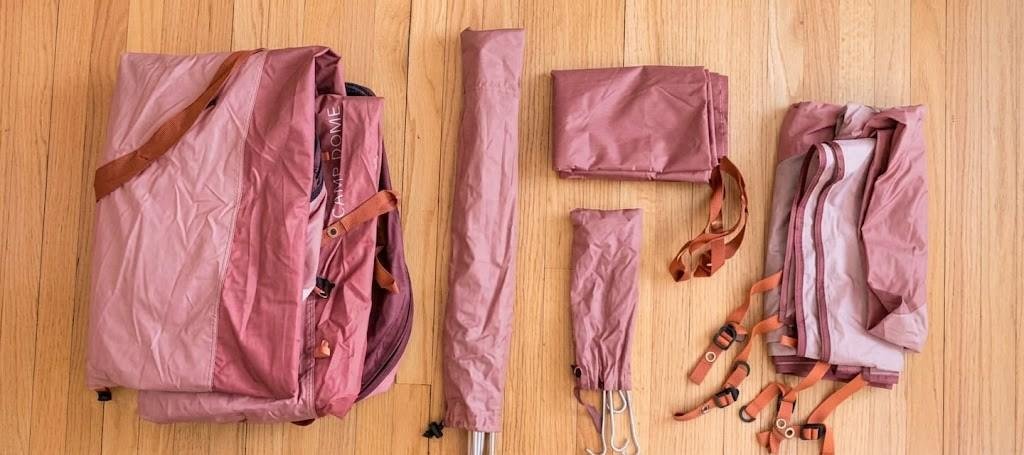
Quick Method
Store your camping gear in a climate controlled environment to prevent mold and rodent damage. Clean and dry your camping gear. Pack tents and sleeping bags loosely to maintain the strength of the material and the insulation. Empty the batteries of electronics to avoid corrosion, and store any remaining necessities in clearly labeled, stackable waterproof containers.
Why Proper Storage Matters for Camping Equipment
A good idea on how to store camping gear properly begins with planning and recognizing the specific threats equipment faces during storage periods. Moisture creates the perfect breeding ground for mold and mildew, which permanently damage fabrics and create stubborn odors that resist removal. Ultraviolet radiation degrades synthetic materials and waterproof coatings, while temperature extremes cause materials to become brittle or lose their structural integrity.
Pests represent another serious storage concern. Rodents chew through fabrics seeking nesting material or food residue, while insects bore through natural materials like down insulation. Even seemingly minor storage mistakes compound over time, transforming minor issues into expensive replacement scenarios. Professional-grade storage methods prevent these problems before they start, maintaining gear performance and protecting your outdoor equipment investment.
|
Storage Threat |
Damage Type |
Prevention Method |
|---|---|---|
|
Moisture |
Mold, mildew, fabric rot |
Complete drying, breathable containers |
|
UV exposure |
Coating breakdown, fading |
Dark storage areas, opaque containers |
|
Pests |
Chewing, nesting damage |
Clean gear, sealed containers, cedar |
|
Temperature extremes |
Material brittleness, warping |
Climate-controlled spaces |
Read more: How to Protect Your Camping Gear: Complete Guide
Preparing Gear for Storage: Essential Pre-Storage Steps
Before implementing how to store camping gear properly, thorough cleaning and complete drying prove absolutely critical. Never store equipment with dirt, food residue, or moisture present, as these elements accelerate deterioration and attract pests. Each item requires specific cleaning protocols matching its material composition and construction to optimize outdoor gear longevity and prevent costly replacements.
Tents demand careful attention to both rainfly and floor surfaces. Set up tents completely and wipe down all surfaces with mild soap solution, paying special attention to zippers and seam areas where dirt accumulates. Allow tents to air dry thoroughly, even slight dampness triggers mold growth during extended storage. Sleeping bags require similar treatment, with down bags needing complete loft restoration before storage and synthetic bags benefiting from gentle washing to remove body oils that degrade insulation over time.
Read more: How to Dry Wet Camping Gear Quickly Without Damaging It
Inspection and Repair Before Storage
Storage time provides the perfect opportunity for maintenance work. Inspect every piece of equipment for damage, addressing small problems before they become major failures. Check tent seams for separation, examine sleeping bag baffles for down migration, and test backpack straps and buckles for wear. Small repairs made now prevent emergency gear failures on your next important trip.
Apply seam sealer to compromised tent seams, patch small tears in fabrics, and replace worn zipper sliders. Waterproof coatings often require refreshing after seasons of use. Spray-on treatments restore water repellency to rainflies and jackets. Document repairs in a gear maintenance log, tracking service history that helps predict future replacement needs and warranty claims.
Read more: How to Waterproof Camping Gear: Tents, Backpacks & Clothing Explained
Optimal Storage Conditions and Location Selection
Mastering how to store camping gear properly requires good understanding ideal environmental conditions. Temperature stability matters more than specific temperatures, consistent cool conditions between 50-70°F prevent material degradation better than fluctuating extremes. Humidity control proves equally important, with about 30-50% relative humidity preventing both excessive dryness that cracks materials and moisture buildup encouraging mold growth.
Climate-controlled basement storage areas or dedicated closets provide excellent environments when properly managed. Avoid attics where summer temperatures soar above 100°F, garages subject to freezing winters and humid summers, and outdoor sheds lacking temperature regulation. Direct floor contact invites moisture wicking from concrete, so elevate storage containers on shelving units or pallets maintaining air circulation underneath.
|
Storage Location |
Suitability |
Key Considerations |
|---|---|---|
|
Climate-controlled basement |
Excellent |
Maintain 30-50% humidity, elevate from floor |
|
Indoor closet |
Good |
Ensure ventilation, avoid overcrowding |
|
Garage (insulated) |
Fair |
Monitor temperature fluctuations |
|
Attic |
Poor |
Extreme temperatures damage equipment |
|
Outdoor shed |
Poor |
Humidity and pests present major risks |
Storage Methods by Gear Type
Different camping equipment categories demand specialized storage approaches. Implementing a good approach on how to store camping gear properly means matching storage methods to material properties and construction characteristics. One-size-fits-all approaches invariably damage delicate equipment or waste valuable storage space. Thus, use budget-friendly breathable canvas bags for sleeping bags, ventilation boxes for your delicate tents, hang up your backpacks to prevent any deformation of the frame structure, and add silica gel packets to absorb moisture from your gear during prolonged storage off-seasons.
Read more: How to plan a theme park vacation in Europe
Tents and Shelters
Store tents loosely rolled or loosely stuffed in breathable storage sacks, never compressed in stuff sacks for extended periods. Compression damages waterproof coatings and creates permanent creases in fabrics. Separate tent bodies from rainflies and poles, storing each component individually to prevent punctures and fabric abrasion. Hang tents vertically if space permits, or store flat on shelves away from sharp objects. Proper seasonal shelter storage increases camping gear longevity and helps it maintain structural integrity.
Tent poles require special attention. Store aluminum poles fully assembled or loosely bundled with shock cord relaxed, constant tension degrades elastic over time. Keep poles in protective tubes preventing bending and denting. Carbon fiber poles demand extra care due to fragility, benefiting from padded storage containers that absorb accidental impacts.
Read more: Fun Facts You Need to Know About Luxury Travel
Sleeping Bags and Insulation
Never store sleeping bags compressed. Down bags require hanging storage or large breathable cotton storage sacks allowing loft maintenance. Compression destroys down clusters permanently, reducing insulation value and creating cold spots. Synthetic bags tolerate compression slightly better but still benefit from loose storage maintaining fiber structure. Make sure that your gear is hung or stored in a dry and dark closet where it will not be exposed to damaging sunlight.
Consider installing ceiling-mounted storage racks or oversized mesh bags for sleeping bag organization. These solutions maximize vertical space while maintaining proper loft. Add cedar blocks or lavender sachets to storage areas deterring moths and other insects that target natural fibers, but avoid direct contact with fabrics that might absorb oils.
Essential Storage Container Guidelines
Selecting appropriate storage containers significantly impacts how to store camping gear properly. These proven container characteristics protect equipment effectively:
- Breathable fabric bins prevent moisture accumulation while protecting from dust and pests
- Clear plastic containers with ventilation holes allow visual inventory without opening
- Waterproof external shells protect against basement flooding or roof leaks
- Stackable designs with reinforced corners maximize vertical storage space
- Labeled exteriors allow quick gear location without excavating entire storage areas
- Modular sizing accommodates different gear categories from small accessories to bulky tents
Read more: How to Plan a Solo Trip: Essential Tips & Safety Strategies
Common Storage Mistakes to Avoid
Even experienced campers make major mistakes when trying to determine how to correctly store camping gear. Proper gear maintenance prevents costly equipment damage. The most damaging mistake is to store the equipment dirty or damp. Food residue attracts rodents and insects, and moisture causes irreversible mold growth. These problems compound during extended storage, transforming minor oversights into complete gear replacement scenarios.
Compression storage represents another frequent error. While compression sacks work excellently for transportation, they destroy insulation and damage fabrics during long-term storage. Materials need space to breathe and maintain structural integrity. Similarly, storing gear in sealed plastic bags without ventilation creates condensation that ruins equipment despite seeming protective.
|
Common Mistake |
Correct Approach |
|---|---|
|
Storing gear dirty or damp |
Clean and completely dry all items before storage |
|
Long-term compression storage |
Use large breathable sacks, hang when possible |
|
Sealed plastic bags without ventilation |
Select breathable containers with air circulation |
|
Ignoring pest prevention |
Add cedar blocks, use sealed containers |
|
Skipping pre-storage inspection |
Inspect and repair all damage before storing |
Frequently Asked Questions About Storing Camping Gear
These answers address the most common questions outdoor enthusiasts ask about how to store camping gear properly and maintain equipment between adventures.
How long can camping gear stay in storage?
Properly stored camping gear lasts indefinitely when protected from moisture, pests and extreme heat. Keep items off concrete floors and elevate fabric bags to prevent dampness. Climate-controlled environments with stable humidity preserve equipment for decades. Check stored gear every few months to confirm conditions remain optimal and address any developing issues immediately. Good care of your gear will help it last longer and protect your outdoor investment. Use breathable containers and make sure equipment is cleaned thoroughly before storage to avoid any damage in the long run so it will last many adventures to come.
Should I store camping gear in stuff sacks?
Never store sleeping bags or tents in compression stuff sacks long-term. Use large breathable storage sacks or hang items loosely. Stuff sacks damage insulation and fabrics through constant compression, significantly reducing lifespan and performance. Keep your tents dried thoroughly and ensure that sleeping bags are loosely packed in order to protect the fabrics from any sort of damage due to mold or otherwise. Good long-term gear maintenance preserves thermal insulation efficiency and avoids expensive outdoor equipment replacement. It also ensures peak performance and longevity for your next outdoor adventure or camping trip.
Where Should you Store Your Tent?
Tents should not be stored tightly rolled up in their original bags, as this can damage waterproof coatings, just like sleeping bags. Shake off all dirt thoroughly and dry the tent completely to prevent mildew. Ensure your storage space is climate-controlled and away from direct sunlight. This prevents harmful UV degradation and moisture buildup. Try to also keep loosely folded gear in a large, breathable mesh bag. Taking some period of time for proper tent storage will maximize its lifespan. This’ll protect the fabric so it performs flawlessly on your upcoming outdoor adventures.
What’s the best temperature for storing camping equipment?
Ideal storage temperatures range between 50-70°F with 30-50% relative humidity. Temperature stability matters more than specific degrees. Avoid locations with extreme fluctuations like attics or uninsulated garages that damage materials over time. Store in a cool, dry, well-ventilated area, away from direct sunlight. Fabrics are subject to UV degradation. Keep things off the ground to avoid moisture wicking and to keep components dry. Using climate-controlled storage options will ensure that your sensitive equipment is safe from any quick material breakdown and retains its usefulness for long.
Conclusion
Learning how to pack camping equipment will help ensure the durability and effectiveness of your camping equipment and will allow you to keep your investment intact. The tips given in the guide above are best practices within the camping gear industry that professionals use year after year.
Remember that proper storage begins long before equipment enters containers. Complete drying, thorough cleaning, and careful inspection prevent most storage-related problems before they develop. Combined with appropriate containers, optimal environmental conditions, and regular monitoring, these methods extend gear lifespan significantly while maintaining peak performance characteristics.
Implement these storage strategies consistently and your camping equipment will remain adventure-ready regardless of storage duration. Whether you camp monthly or seasonally, proper storage practices ensure tents pitch perfectly, sleeping bags insulate effectively, and technical gear performs flawlessly when you need it most. Your future outdoor adventures depend on the care you provide today.
Related Contents:
- Fun Facts You Need to Know About Luxury Travel
- How to Protect Your Camping Gear: Complete Guide
- How to Waterproof Camping Gear: Tents, Backpacks & Clothing Explained
- How to Plan a Solo Trip: Essential Tips & Safety Strategies
- Complete Guide to Solo Travel: Safety Tips, Budget & Best Destinations for Beginners
- Complete Guide to Hiking the Dolomites: Trails, Costs & Packing List for Beginners
- How to Dry Wet Camping Gear Quickly Without Damaging It
- A Journey Through Regional Food Tours in Mexico: Complete Guide from Oaxaca to Merida
- The Best Food to Eat at Gulfstream Beach: A Complete Culinary Guide
- 20 Best Places & Unique Things to Do in Palm Beach: A Complete Guide