
Written by: Segun Akomolafe
The easiest way to stay hydrated during exercise is to drink water before you start, sip small amounts every 15 to 20 minutes while you’re moving, and replace what you lost when you are finished. That’s the short of it. But if you want to know how to stay hydrated while exercising, instead of just winging it, there’s a bit more nuance when you factor in your sweat rate, the weather, and how long you’re actually training for.
Quick Answer
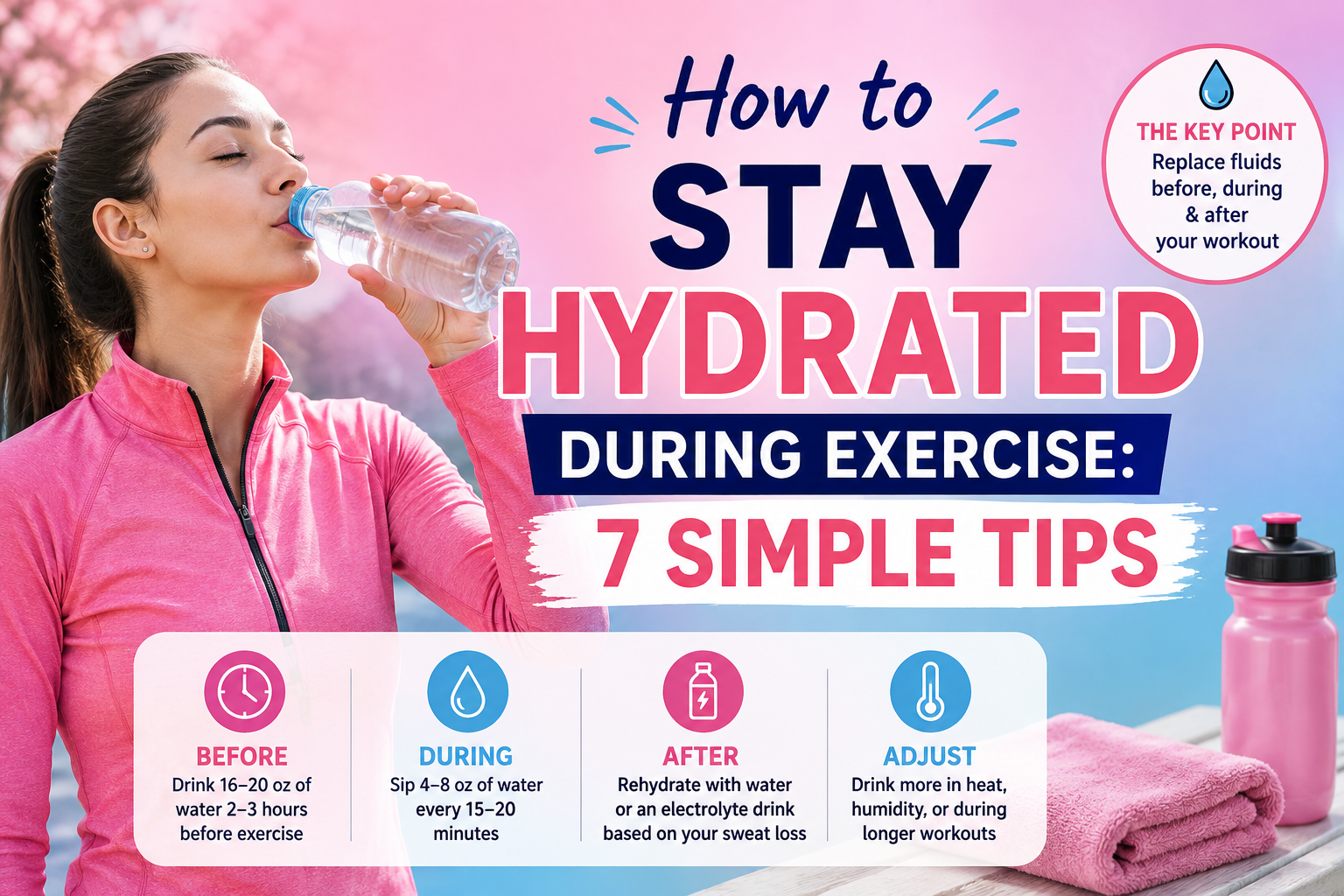
Drink 16 to 20 ounces of water 2 to 3 hours before you exercise, 4 to 8 ounces every 15 to 20 minutes during your workout and hydrate with water or an electrolyte drink after your workout depending on how much you sweated out. Try to simply adjust upward for heat, humidity, or sessions running past an hour.
Why Hydration Matters More Than Most People Think
Water does more heavy lifting during a workout than most people think. It regulates your body temperature, keeps your blood volume steady so your heart isn’t working overtime and helps carry oxygen to the muscles you’re pushing harder than usual. The moment you actually start losing fluid faster than you’re replacing it, your whole system starts to strain a little without you feeling it yet.
Losing more than 2 percent of your body weight through sweat during a workout is enough to actually hurt performance and add more strain on your heart and your body’s temperature control based on a report by American College of Sports Medicine’s position on exercise and fluid replacement. That works out to about 3.2 pounds of sweat for someone who weighs 160 pounds. That is easier to lose than most people assume once you’re an hour into a sweaty session. This is why a good idea of how to stay hydrated during exercise matters just as much on an ordinary Saturday jog as it does on race day.
How Much Fluid You Actually Lose When You Work Out
The rate at which an individual sweats can vary greatly. It is contingent upon your size, the temperature, the humidity and how hard you’re really pushing yourself, so two people doing the exact same workout can lose noticeably different amounts of fluid. Using ACSM’s fluid replacement guidelines, sports scientists estimate typical sweat losses to be somewhere between 0.5 and 2 liters per hour during exercise. That’s a wide range, but it starts to become understandable when you break it down by activity type and conditions.
Exercise Intensity | Approx. Sweat Loss Per Hour | What That Usually Feels Like |
|---|---|---|
Light activity (walking, easy yoga) | 0.3 to 0.5 L | Barely noticeable, a slightly damp shirt at most |
Moderate exercise (jogging, cycling, gym session) | 0.5 to 1.0 L | Visible sweating, shirt sticking to your back |
Vigorous training (HIIT, running in heat) | 1.0 to 2.0 L | Heavy sweating, salty residue on skin or clothes |
Endurance events in heat (marathon, long rides) | 2.0 to 2.5+ L | Continuous heavy sweating that needs active replacement |
Read more: How Much Water Should You Drink a Day? A Complete Hydration Guide
Signs You’re Not Keeping Up With Your Fluid Losses
Generally, if you’re paying attention, your body will try to warn you before things get serious. The Gatorade Sports Science Institute summarized a study that measured urine specific gravity of more than 300 recreational exercisers at fitness centers in Chicago and Los Angeles. It found that 46 percent were already dehydrated before they started their workout. Simply put, many people walk into their session already behind, without even realizing it.
When you’re in operation, look for these signs:
- Dry mouth that doesn’t really help with water
- Tiredness more than the workout should explain
- A headache that begins about halfway through
- Muscle cramps, especially in your calves or hamstrings
- Dark yellow urine after your session instead of pale straw
- Dizziness or feeling unusually hot for the effort you’re putting in
7 Simple Tips to Stay Hydrated During Exercise
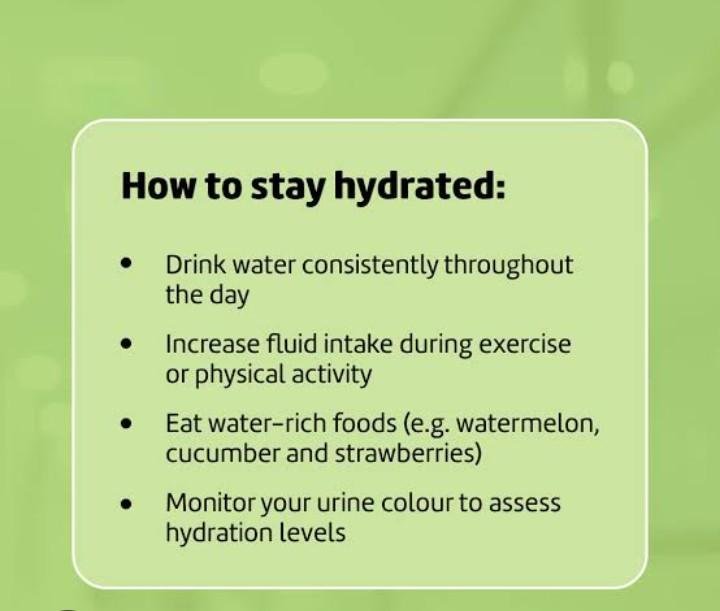
Here’s how to stay hydrated during exercise without turning every workout into homework. None of this needs special gear or a science degree, just a bit of consistency.
1. Drink Something Before You Even Start
Don’t wait until you’re lacing up your shoes to think about fluids. Aim for around 16 to 20 ounces of water two to three hours before you train, then a smaller amount, about 8 ounces, closer to warm-up time. Starting a session already a little behind on fluids makes the whole workout feel harder than it needs to.
2. Learn Your Own Sweat Rate
Weigh yourself right before and right after a typical workout, without eating or drinking in between. Every pound you lose is roughly 16 ounces of sweat. Do this once or twice and you’ll have a real number to work with instead of a generic guideline that might not actually fit your body.
3. Sip Steadily Instead of Chugging
Gulping down a large amount of water in one go doesn’t really help much, and it can leave you feeling sloshy and uncomfortable mid workout. Small, steady sips every 15 to 20 minutes get absorbed more efficiently and keep you from swinging between overly full and running dry.
When | What To Drink | How Much |
|---|---|---|
2 to 3 hours before exercise | Water | 16 to 20 oz (about 480 to 590 ml) |
20 to 30 minutes before | Water | 8 oz (about 240 ml) |
Every 15 to 20 minutes during exercise | Water or electrolyte drink | 4 to 8 oz (about 120 to 240 ml) |
Within 30 to 60 minutes after | Water, add electrolytes if long or hot | 16 to 24 oz per pound of body weight lost |
4. Add Electrolytes When You’re Sweating Heavy or Going Long
Plain water covers most short workouts just fine. Once you’re past the one hour mark, sweating heavily, or training somewhere hot and humid, you start losing meaningful amounts of sodium along with the water and plain water alone won’t replace it. That’s when a sports drink or an electrolyte mix earns its place in your gym bag.
Situation | Best Choice | Why |
|---|---|---|
Under 60 minutes, moderate effort | Plain water | Your body’s own electrolyte stores cover a short session |
Over 60 minutes | Water plus a sports drink or electrolyte mix | Replaces sodium and carbs lost to sustained sweating |
Hot, humid conditions | Electrolyte drink | Sweat losses climb fast and sodium loss rises with heat |
Heavy or “salty” sweater (white residue on skin or clothes) | Electrolyte drink, even for shorter sessions | You’re likely losing more sodium than the average exerciser |
5. Check Your Urine Color as a Quick Gut Check
You don’t need lab equipment for this one. Pale, straw colored urine after a workout is a decent sign you’re keeping up. Anything closer to dark amber usually means you fell behind somewhere and need to catch up gradually over the next few hours, not all in one sitting.
6. Let Water Rich Foods Pick Up Some of the Slack
Watermelon, cucumber, oranges, and even a bowl of soup after training all count toward your daily fluid total and they bring electrolytes and nutrients that plain water doesn’t offer on its own. Working a few of these into your meals on workout days takes some of the pressure off your water bottle.
Read more: 8 Water-Rich Foods That Help You Stay Hydrated
7. Rehydrate Properly Once You’re Done
Whatever you lost during your session, try to replace it over the next few hours rather than downing it all in five minutes. A rough guide is 16 to 24 ounces of fluid for every pound of body weight you lose. If the session ran long or hot, lean toward a drink with sodium in it instead of plain water.
Common Mistakes That Quietly Undo Your Hydration Efforts
Even people who genuinely try to stay on top of their hydration slip into a few habits that work against them without realizing it. One of the biggest mistakes people make when trying to figure out how to stay hydrated during exercise is treating thirst as an early warning system, when it’s actually a late one. Your body is already somewhat behind by the time you feel thirsty.
- Waiting until you’re thirsty before drinking anything at all
- Assuming plain water alone covers a two hour session in the heat
- Skipping fluids the night before an early morning workout
- Drinking a huge amount all at once instead of spacing it out
- Underestimating sweat losses on cooler, cloudy days
- Treating the previous night’s coffee or alcohol as unrelated to next day’s hydration
Read more: 7 Easy Ways To Improve Your Daily Fitness
Conclusion; How to Stay Hydrated During Exercise
All things considered, how to stay hydrated while exercising doesn’t require an elaborate formula that must be memorized. Just consume a fluid before exercising, keep consuming fluid steadily while exercising, replenish what was lost after the workout session through water or electrolyte replacement drink based on intensity, and most importantly pay attention to your body cues throughout the process. Do the basics right and hydration ceases to become a concern during exercise as it becomes part of your training routine.
FAQs
Answers to the most popular questions that people often ask regarding fluid intake during exercise can be found in the sections below.
How much water do I need to take during exercise?
Try to consume 4 to 8 ounces of fluid every 15 to 20 minutes while exercising to maintain optimal hydration, prevent severe dehydration and enhance overall athletic performance for peak athletic endurance and a healthy body electrolyte balance during your daily physical activity routine and workouts, based on individual rate of sweat loss.
Is it possible to do exercise without any water at all?
If your workout is basically less than half an hour and not too vigorous, you don’t need to force water beyond what you usually drink. You’ll actually need to make a conscious effort to hydrate and stay safe at your best if you’re working out longer or harder.
Is it possible to drink too much water while working out?
Yes. Drinking too much water relative to what you are losing through sweat can basically cause hyponatremia because it dilutes sodium in your body. This dangerous condition causes severe swelling in body tissues, headaches, confusion and can result in medical emergencies during strenuous physical exercise.
Related Contents:
- How Much Water Should You Drink a Day? A Complete Hydration Guide
- 8 Water-Rich Foods That Help You Stay Hydrated
- 8 Best Workouts to Keep You Healthy
- 7 Easy Ways To Improve Your Daily Fitness
- 12 Tips for Healthy Weight Loss
- How Do Fitness Trackers Measure Calories Burned? Expert Analysis
- Top 20 Ways to Relieve Stress and Anxiety
- The Complete Guide to Healthy Grocery Shopping
- How to Rehydrate Quickly After Exercise
- The Basics of Hydration: How Water Affects Your Energy, Fitness, and Athletic Performance