
Written by: Segun Akomolafe
Staying hydrated doesn’t basically mean you have to chug a glass of water after another all day long. Foods high in water like watermelon, cucumber, celery and strawberries, can account for a good proportion of your daily fluid intake, as well as giving you the fibre, potassium and vitamins that a simple glass of water just can’t provide.
American adults are getting about 3.46 litres of total water a day for men and 2.75 litres for women according to the CDC’s National Center for Health Statistics. A large portion of that is from what is on the plate, not just what is in the cup. As shown below, here are eight of the most effective hydrating foods that you can include in your diet starting today, along with a few candid observations about what each of them lacks, so that you know how to use them.
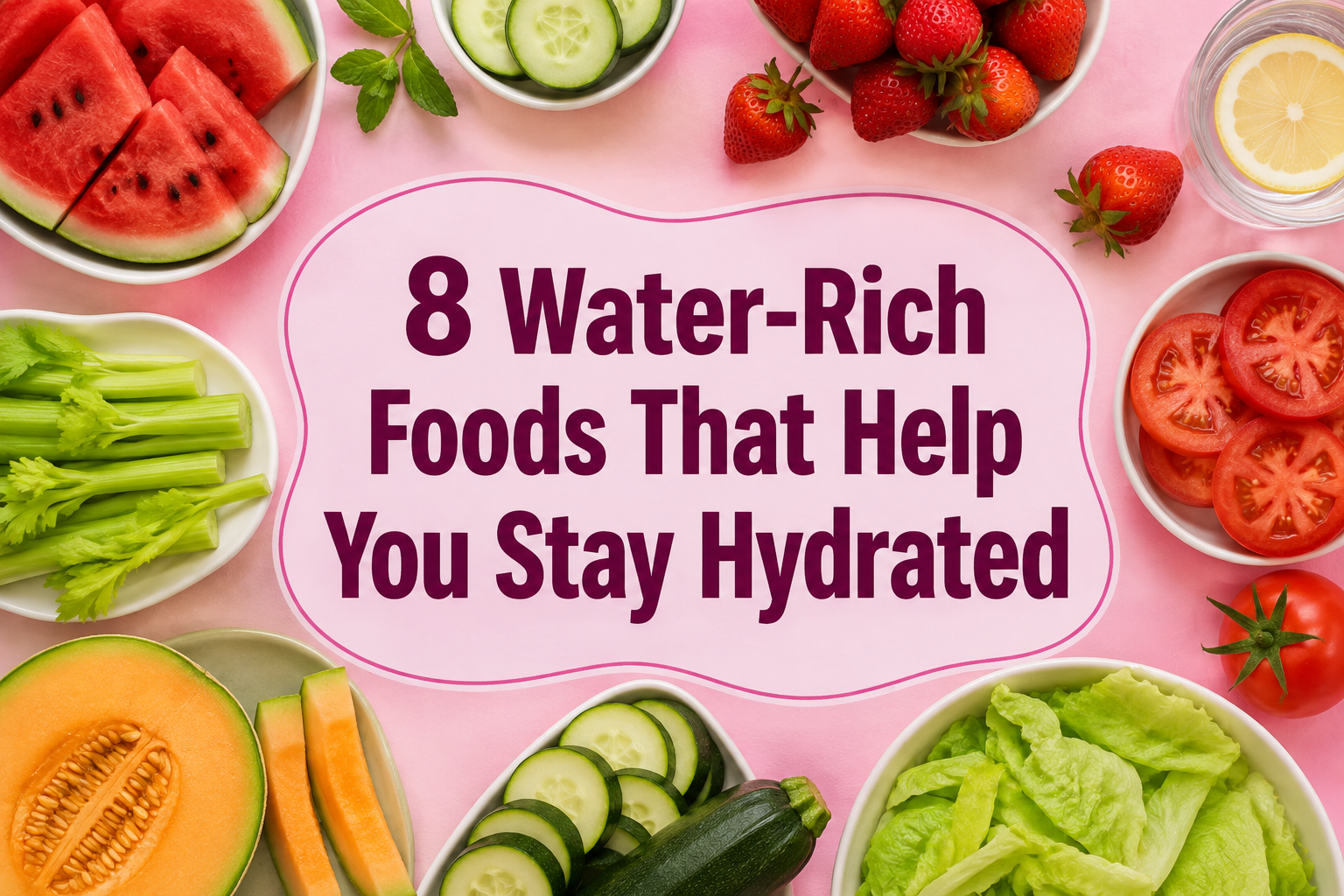
Given below is a brief overview of each of these eight foods along with the approximate amount of water present in each of them per unit weight according to FoodData Central of the USDA.
Food | Water Content | Standout Nutrient |
|---|---|---|
Watermelon | 92% | Lycopene, Vitamin C |
Cucumber | 96% | Vitamin K |
Strawberries | 91% | Vitamin C, antioxidants |
Celery | 95% | Potassium, fiber |
Tomatoes | 94% | Lycopene, potassium |
Cantaloupe | 90% | Vitamin A, potassium |
Zucchini | 95% | Vitamin B6, manganese |
Iceberg lettuce | 96% | Folate, vitamin K |
Why Water-Rich Foods Matter for Hydration
Most people think about hydration in terms of how many bottles of water they can chug by 5 p.m. That’s only part of the story. 19 percent of total water intake for adults in the U.S. comes from food with the remainder coming from fluids based on a report from the Institute of Medicine’s Dietary Reference Intakes. That’s not a small number. If you’re just basically counting glasses of water and skipping the produce aisle, you might be doing yourself bad without realising it.
That’s exactly why they deserve a permanent spot on your grocery list, especially if you struggle to hit your daily fluid goals with liquids alone. Here’s what they bring to the table beside water.
- They increase the volume of meals without basically adding calories
- They naturally come with potassium and other electrolytes that plain water lacks
- They are high in fiber that slows down digestion and keeps you feeling full longer
- They are naturally low in sodium unlike many of the packaged snacks in your pantry
- They are loaded with antioxidants and vitamins your body actually uses on a daily basis
Read more: The Complete Guide to Healthy Grocery Shopping
The 8 Water-Rich Foods Worth Adding to Your Plate
Before you look at this list, let’s get one important point straight. Fruit has natural sugar in it, so if you’re keeping an eye on your blood sugar, you’ll want to be mindful of just how much of the sweet stuff you’re consuming in a cantaloupe and watermelon compared to a stalk of celery or a cucumber.
While juicing or blending can make your life easier, it tends to strip away the fiber and concentrate the sugar, so really – eating whole fruits and veggies is usually the best way to stay hydrated and all that. Also, it’s worth keeping in mind that just because a food is basically just water doesn’t mean it’s bursting at the seams with nutrients, you know ? Think of iceberg lettuce for example. It’s great for a drink, but it’s got loads less iron and vitamin K than a handful of spinach.
Seasonality matters too when it comes to what’s in season and at its best. Watermelon, cantaloupe, tomatoes and strawberries are always at their peak and usually a lot cheaper from late spring right through to early fall in most of the US. Now, cucumbers, celery, zucchini and lettuce are pretty much always available in most supermarkets, which is why they’re good picks if your favourite summer fruits are out of season or being shipped all the way from somewhere else in the depths of winter.
1. Watermelon
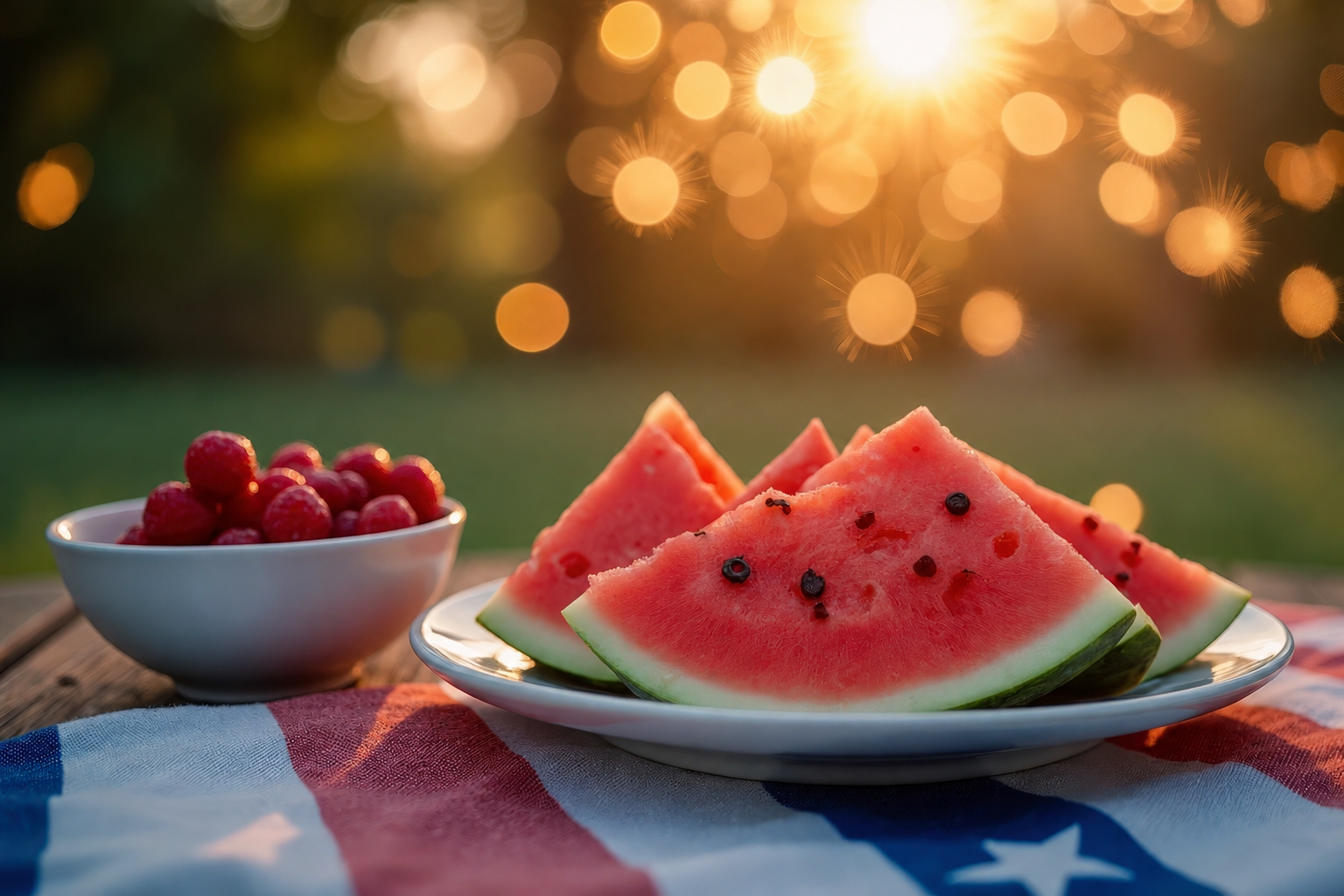
Watermelon is actually the perfect way to quench your thirst on a hot day. It’s over 90 percent water after all. To top it off, it’s also loaded with lycopene (just like tomatoes) and a cup of the stuff will set you back less than 50 calories. And with a good amount of vitamin C thrown in for good measure, the possibilities are endless. You can toss it into a fruit salad, make a cold soup that’s guaranteed to hit the spot or just enjoy it straight up.
2. Cucumber
Cucumber is basically a drink in disguise with 96 percent of it made up of water. It’s got a great crunchy texture, a wicked mild flavour and is laughably low in calories. So it’s perfect to chuck into salads, sandwiches or have on its own with a side of hummus for a super quick snack. These crisp slices provide a refreshing boost.
3. Strawberries
Strawberries are an impressive 91 percent water and while they’re not the biggest fruit out there, they pack a heck of a lot of vitamin C. And to make things even sweeter, they’re also chock full of antioxidants which are great for reducing inflammation. You can chop them up and sprinkle them over oatmeal, whiz them up in a smoothie or just grab a handful and go.
4. Celery
Celery is basically just a walking stick of water at an impressive 95 percent. And yet it’s got a lot more going on than that. It is a wonderful crunch snack that contains lots of potassium and fiber. But the best thing about it is its long life when kept in the refrigerator. This actually means you can have it any time you want. However, if you do not like the taste, you can simply get a peanut butter jar.
5. Tomatoes
Tomatoes are basically over 90 percent water. But that’s not the only reason to love them. The truth is they’re like a lycopene factory (if that’s a thing) and there’s nothing quite like a fresh, juicy tomato, simply sliced and served with a drizzle of olive oil and a pinch of salt.
6. Cantaloupe
Cantaloupe is another fruit that’s got a lot to offer. This includes a solid 90 percent of it being water. But it’s also packed with some serious vitamin A that is great for your vision and immune system. Who doesn’t actually love a bit of sweetness every now and then? Cantaloupe is just sweet enough to be a great dessert option when you’re trying to cut back on the sugar.
7. Zucchini
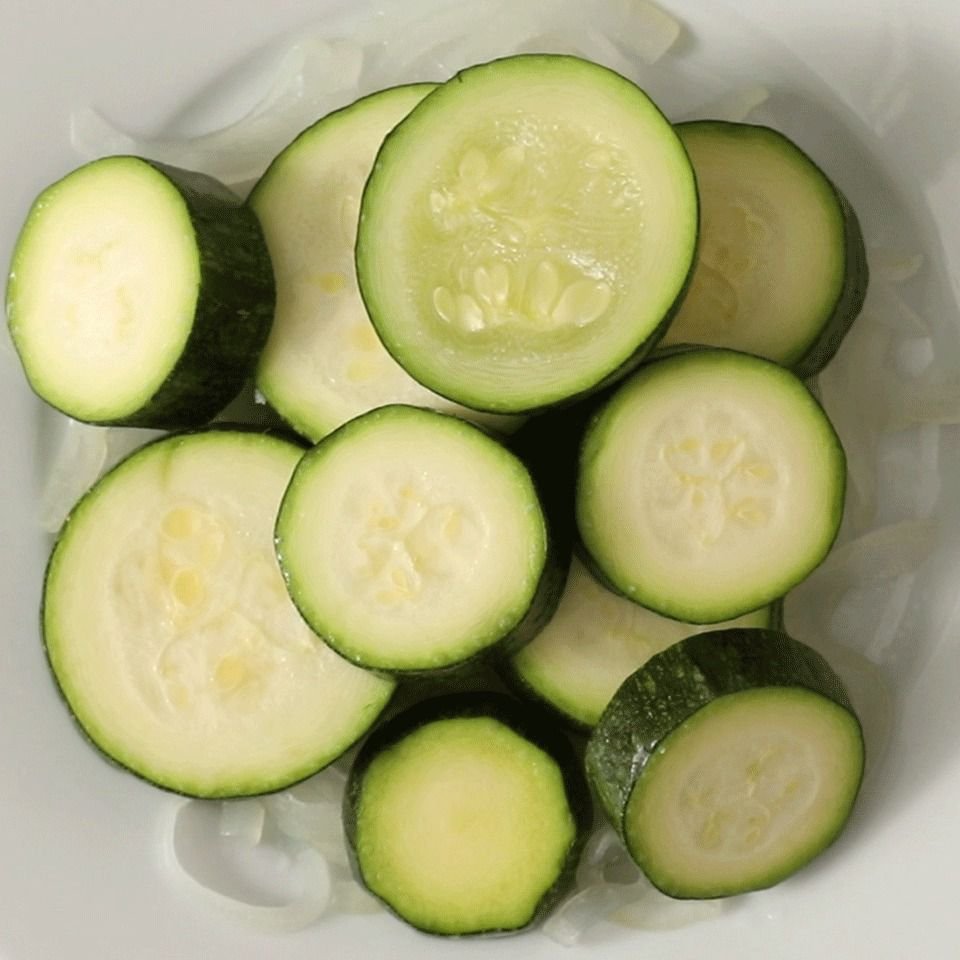
This is simply the humble hero of the vegetable world. It’s basically over 95 percent water and yet so often overlooked. Not only is it laughably low in calories, but it’s also a total chameleon of flavours. Whether you toss it in a pasta sauce, grill it up as a snack or just chuck it in a stir-fry, you can be sure it’ll take on the flavours like a pro.
8. Iceberg Lettuce
When it comes to staying hydrated, iceberg lettuce can do just that because it comprises about 96 percent of water. That said, we know what you may be asking at this point: It’s certainly not the highest nutrient-rich lettuce (the spinach takes that trophy); however, it’s a good lettuce to use in a wrap, taco or salad if you’re pressed for time.
In case you have no idea how to use these vegetables on your menu, here’s an easy way to get started with each one.
Food | Easy Way To Add It |
|---|---|
Watermelon | Cubed in a lunchbox or blended into a cold soup |
Cucumber | Sliced with hummus or tossed into a lunchtime salad |
Strawberries | Sliced over oatmeal or blended into a morning smoothie |
Celery | Dipped in nut butter as an afternoon snack |
Tomatoes | Sliced with olive oil and a pinch of salt |
Cantaloupe | Wedges alongside breakfast or diced into a fruit salad |
Zucchini | Spiralized as a pasta swap or thrown on the grill |
Iceberg lettuce | Used as a wrap base instead of a tortilla |
Read more: How to Create a 7-Day Meal Prep Plan for Weight Loss
Easy Ways to Fit More Hydrating Foods Into Your Day
You do not need to overhaul your entire diet overnight. Small, repeatable swaps tend to stick a lot better than a dramatic change that fizzles out after a week. Try a few of these.
- Start breakfast with a side of melon or berries instead of skipping fruit altogether
- Swap chips for cucumber or celery sticks at lunch
- Add a sliced tomato to your sandwich instead of piling on extra cheese
- Blend leftover watermelon into a quick smoothie before it starts going soft
- Keep pre-cut veggies in a clear container in the fridge so reaching for them takes zero effort
None of these require a grocery haul or a new kitchen gadget. Swapping just two or three meals a week for water-rich foods can meaningfully move your daily fluid numbers, especially paired with your normal water intake.
Read more: 12 Tips for Healthy Weight Loss
Who Should Pay Extra Attention to Hydration
Some people benefit more than others from leaning on food for hydration. Athletes and anyone who sweats heavily during the day lose fluids fast, and leaning on high-water-content foods becomes even more valuable here since they replace fluids alongside electrolytes lost through sweat. Older adults often have a blunted thirst response, meaning they may not feel thirsty even when they need fluids, which makes food-based hydration a useful backup. And in hot or dry climates, the extra water from fruits and vegetables adds up faster than most people expect. If you are pregnant, breastfeeding, or managing a condition that affects fluid balance, it is worth checking your specific fluid targets with a doctor rather than guessing.
It is worth taking dehydration seriously even at mild levels. A study published in the British Journal of Nutrition found that losing just 1.5 to 1.6 percent of body mass through mild dehydration was enough to slow reaction time, hurt working memory, and increase feelings of fatigue and anxiety in healthy young men. That is a smaller fluid loss than most people would assume causes noticeable effects.
Mild Dehydration Signs | Well-Hydrated Signs |
|---|---|
Dark yellow urine | Pale yellow urine |
Headache or fatigue | Steady energy levels |
Dry mouth or lips | Normal saliva production |
Trouble concentrating | Clear focus and alertness |
Dizziness when standing | Stable response when standing |
Read more: 8 Best Workouts to Keep You Healthy
Hydration is not really an either or between drinking water and eating produce. The two work together, and building a plate that includes a few of these foods most days is one of the easiest habits you can adopt by adding fresh water rich fruits and vegetables into your daily routine to maintain optimal health and lasting cellular hydration without tracking a single ounce.
Frequently Asked Questions
Here are direct answers to common questions related to hydrating foods.
Can you get all the water you need from water-rich foods?
No, although water-rich foods can provide a large part of the fluids the body needs on a daily basis, it is still necessary to drink water as it plays a part in digestion, thermoregulation and removing toxins from our body on a daily basis. Ensuring proper daily hydration optimises cellular function, boosts physical performance and encourages healthy skin, providing overall wellness and preventing dangerous risks of dehydration during strenuous daily activities.
What food contains the most amount of water?
Cucumber and iceberg lettuce are the winners on most lists with nearly 96% water content, followed by celery and zucchini with approximately 95% water content, according to numbers generally provided by the USDA FoodData Central. Adding these nutrient-dense, refreshing produce into your everyday diet will naturally boost overall wellness and cellular rehydration. Simply adding these new hydrating veggies to your daily meal plan can improve your skin health, and prevent unwanted afternoon fatigue. Eating hydrating vegetables helps daily body hydration.
How many portions should I consume daily for hydration?
There isn’t a specific number, but consuming two to three portions of water-rich fruits and vegetables, along with your normal water consumption daily, is an achievable goal for most adults to maintain optimal daily hydration levels and support overall health by eating healthy foods, drinking plenty of fresh fluids and tracking your daily wellness goals to boost daily energy, improve skin health and support natural body functions. Incorporating fresh cucumbers, sweet watermelon, and crisp celery into your daily meals can help ward off dehydration and boost your overall wellness.
Related Contents:
- The Complete Guide to Healthy Grocery Shopping
- Meal Prep for Weight Loss: The Complete Beginner’s Guide
- How to Choose the Best Meal Prep Containers for Weight Loss
- 12 Tips for Healthy Weight Loss
- The Best Workouts to Maintain Healthy Weight Loss
- 8 Best Workouts to Keep You Healthy
- Top 20 Ways to Relieve Stress and Anxiety
- 7 Easy Ways To Improve Your Daily Fitness
- How Much Water Should You Drink a Day? A Complete Hydration Guide
- How to Stay Hydrated During Exercise: 7 Simple Tips