
Written by: Segun Akomolafe
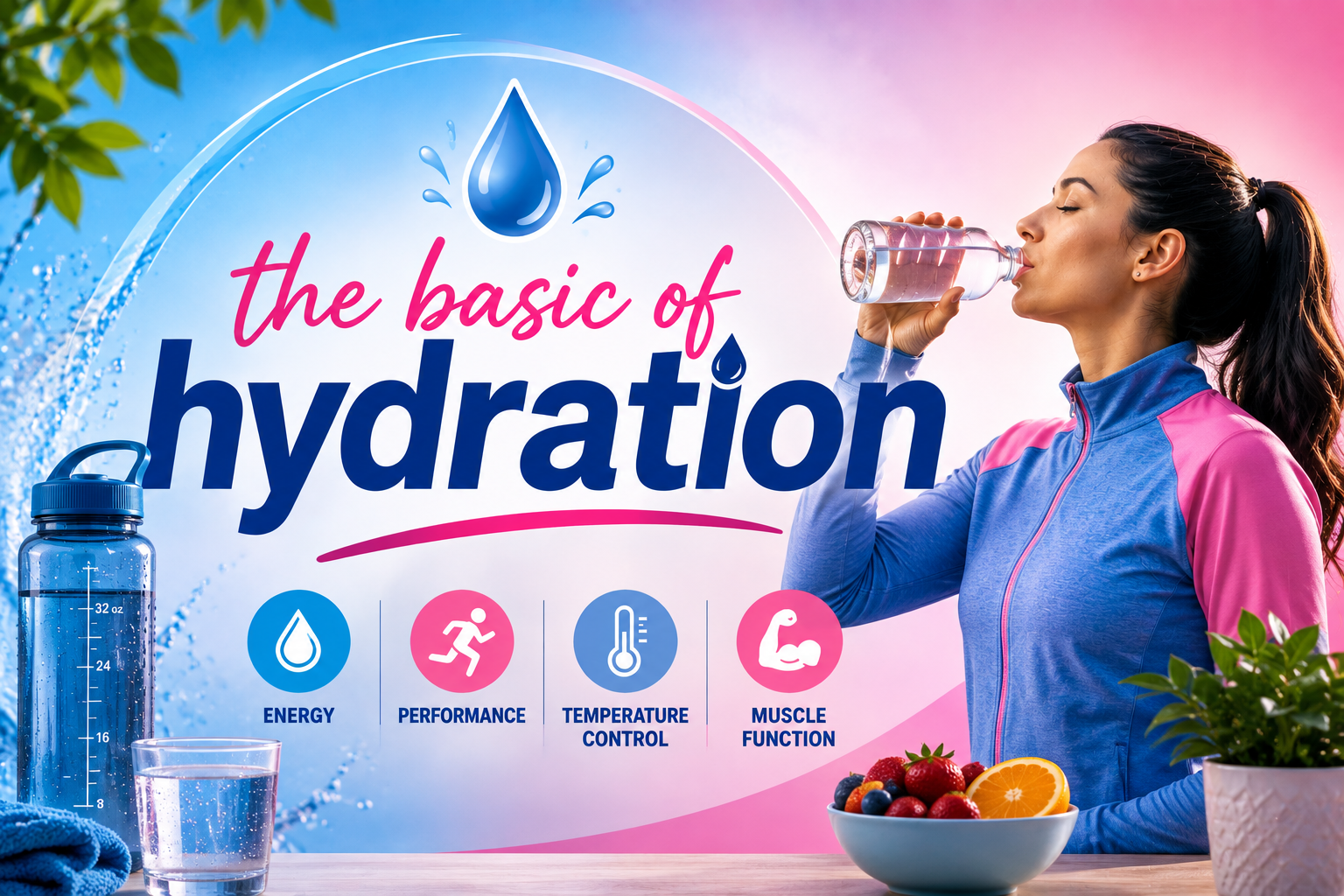
The mechanism of hydration lies in maintaining adequate water and electrolyte levels to ensure proper oxygenation, thermoregulation and muscular contraction; a loss of water by one or two percent will impair energy, concentration and athletic performance before triggering thirst.
The amount of water in the body constitutes about 60 percent of body weight and is related to basically all functions, not just sweating on a hot day. The core of the topic consists of a very simple truth: your muscles, brain and heart rely on the balance of fluids and cannot work efficiently once it is broken, be it during deadlifts, writing an email, or even attending an important meeting without getting distracted.
The following is a short list of the effects of water on your performance and energy, which are based on scientific studies conducted in the field of sports science and hydration laboratories. This article also includes tables for easier practical reference.
Quick Answer
Water helps to maintain the blood volume, regulates body temperature and also delivers nutrients to the muscles being used in an activity; thus, even mild dehydration, which amounts to 1.5 to 2 percent of the body weight, causes loss of energy and affects performance. It is basically recommended that drinking water be done consistently during the day, and not only when feeling thirsty. If sweating is intense, and the training exceeds one hour, the use of electrolytes is necessary. Any fluid lost should be replenished in two hours after training. This is what the basics of hydration is all about.
Why Water Is Central to Your Energy Levels
People normally associate hydration with sports activities and a warm climate. But the reality is that it is a far more important function than most people realize. According to the study conducted by scientists from the University of Connecticut’s Human Performance Laboratory, even slight dehydration at the level of 1.5 percent of body weight has affected moods, energy and concentration in young men and women regardless of their physical activity.
While 1.5% doesn’t basically seem like much on paper, in reality, this amount of liquid can easily disappear unnoticed while sitting at home, in a warm office, with no bottle of water available nearby. The important thing about dehydration is that thirst is a delayed response to the state of the body. When it finally kicks in, one already needs more than one percent of liquid to feel better. This is actually why people tend to blame caffeine and lack of sleep for their fatigue rather than dehydration.
Signs Mild Dehydration Might Be Draining Your Energy
- A dull headache that shows up mid afternoon for no clear reason
- Trouble concentrating on tasks that usually feel easy
- Feeling tired or sluggish despite a decent night’s sleep
- Irritability or a short temper that doesn’t match your actual day
- Dry mouth or lips even indoors, away from heat or exertion
How Hydration Status Affects Athletic Performance
This is where the basics of hydration meet real numbers, and the research on this point is fairly consistent across different sports. The American College of Sports Medicine’s position notes that dehydration beyond 2 percent of body weight degrades aerobic exercise performance in temperate to hot environments, and the effect worsens as fluid loss climbs higher from there. In plain terms, a runner, cyclist, or footballer who loses more than 2 percent of body weight in sweat without replacing any of it is very likely running on a diminished tank, even if it doesn’t feel dramatic yet.
Sports science literature on dehydration and performance describes fluid losses beyond 5 percent of body weight as capable of cutting work capacity by roughly 30 percent, a figure drawn from decades of exercise physiology research. You don’t need to hit numbers that extreme to notice something is off though. Endurance capacity can start dipping with losses as small as 1 to 2 percent, long before anyone would call it severe dehydration, and the drop tends to be worse in hot or humid conditions than in a cool gym.
Here’s roughly how fluid loss lines up with performance, based on sports science research:
Fluid Loss (% of Body Weight) | Typical Effect on Performance | What You Might Notice |
|---|---|---|
1-2% | Endurance capacity starts to dip slightly | Effort feels a bit harder than usual |
2%+ | Aerobic performance measurably declines | Faster heart rate, earlier fatigue |
3%+ | VO2 max can drop by around 5% | Heavier legs, higher perceived effort |
5%+ | Work capacity can fall by up to 30% | Noticeable fatigue, poor focus, cramping risk |
Read more: How to Stay Hydrated During Exercise: 7 Simple Tips
Hydration, Muscle Function, and Recovery
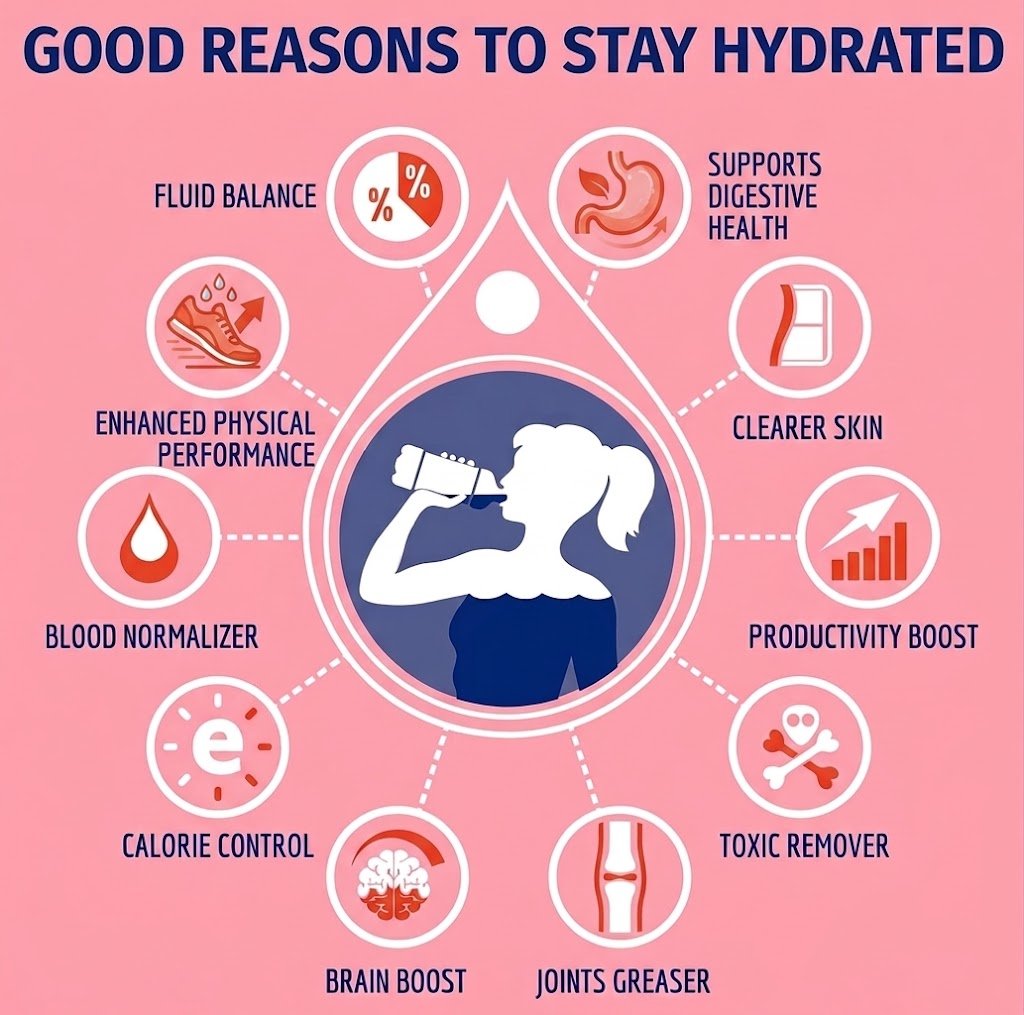
Hydration also plays a direct role in how your muscles actually contract and recover. Water helps carry nutrients and oxygen into muscle tissue and carries waste products like lactate back out, so a fluid deficit can make muscles feel heavier and more prone to cramping well before you’d call yourself dehydrated in any dramatic sense.
Athletes who train in the same hot conditions repeatedly do tend to adapt somewhat, since the body gets a bit more efficient at conserving fluid and electrolytes over time, but that adaptation has limits and it doesn’t replace good daily fluid habits on any single training day.
The Basics of Hydration for Daily Fluid Needs
Once you get the basics of hydration around daily fluid needs sorted, the numbers stop feeling complicated. The National Academies of Sciences, Engineering, and Medicine sets an adequate daily fluid intake at about 3.7 liters, roughly 15.5 cups, for men, and about 2.7 liters, roughly 11.5 cups, for women, counting fluid from both drinks and food combined. That number is a reasonable starting point for a sedentary adult in a mild climate, not a hard ceiling, and it climbs fast the moment you add exercise, heat, or altitude into the mix.
Factors That Push Your Fluid Needs Higher
- Training sessions longer than 45 minutes, especially in heat or humidity
- A higher body weight or larger muscle mass, since bigger bodies generally sweat more
- Caffeine or alcohol intake, both of which have a mild diuretic effect
- Illness involving fever, vomiting, or diarrhea
- Traveling to a hotter climate or a higher altitude than you’re used to
A rough starting point by activity level looks like this:
Activity Level | Daily Fluid Target | Notes |
|---|---|---|
Sedentary adult (women) | About 2.7 L (11 cups) | NASEM baseline, includes food and drinks |
Sedentary adult (men) | About 3.7 L (15.5 cups) | NASEM baseline, includes food and drinks |
Moderately active adult | Baseline plus 12-16 oz per 30-45 min of exercise | Adjust up on hot or humid days |
Endurance athlete / heavy sweater | Baseline plus 16-24 oz per pound of sweat lost | Add electrolytes for sessions over an hour |
Timing Your Fluids Around a Workout
Hydration isn’t only about hitting a daily total, timing plays a real role too. Drinking the required amount too late, or dumping it all in right before you start moving, both work against you in different ways and neither one feels great mid workout.
A simple timeline most coaches and dietitians agree on:
Time | What To Do | Goal |
|---|---|---|
2-3 hours before exercise | Drink 16-20 oz of water | Start the session already hydrated |
20-30 minutes before | Drink 8-10 oz | Top off fluid levels |
During exercise | 4-8 oz every 15-20 minutes, add electrolytes past 60 minutes | Offset sweat losses as they happen |
Within 2 hours after | 16-24 oz per pound of body weight lost | Fully restore fluid balance |
Read more: How to Rehydrate Quickly After Exercise
Electrolytes and Sodium, the Half of Hydration People Skip
Sodium and other electrolytes are just as much a part of the basics of hydration as plain water intake, and skipping them is one of the more common reasons people still feel off even after drinking plenty of water. Sweat carries sodium out with it, and how salty a person’s sweat actually is varies a lot from one individual to the next. If you’ve ever noticed white streaks on dark workout gear, that’s salt, and it’s a decent clue you’re losing more sodium than average when you train.
That said, more fluid isn’t automatically better here, and this is where a lot of well meaning advice gets it wrong. Overloading on plain water without enough sodium, especially during long endurance events, can lead to a dangerous condition called exercise associated hyponatremia, where blood sodium drops too low. It’s genuinely rare in workouts under an hour, but it’s a real and documented risk in marathons and other long endurance events, so the actual goal is balance rather than maximum fluid intake. Water rich foods like watermelon, oranges, or a bowl of soup can help fill some of the gap too, especially on days when a sports drink doesn’t sound appealing.
Common Hydration Mistakes Worth Fixing
Most of these mistakes come down to skipping the basics of hydration rather than lacking willpower, and a lot of them are simple to fix once you actually notice them happening.
- Waiting until you’re thirsty to start drinking, since thirst lags well behind actual fluid loss
- Treating every workout the same, when a 20 minute walk and a two hour run have very different fluid needs
- Skipping sodium after heavy sweating and then wondering why you still feel drained hours later
- Assuming a sports drink beats water for every session, even short, easy ones where it isn’t necessary
- Chugging a large volume of water all at once instead of spreading it out, which mostly just sends you to the bathroom faster
Read more: How Much Water Should You Drink a Day? A Complete Hydration Guide
Hydration Needs Change Over Time
It also helps to remember that hydration needs aren’t static from one week to the next. A heavier training block, a stretch of hot weather, or even a change in diet that shifts your sodium intake can all move your numbers around, so checking in occasionally, weighing yourself before and after a hard session, or just paying attention to urine color, tends to work better long term than locking in one fixed number and never revisiting it.
Conclusion
This doesn’t have to become a scientific experiment. You should consistently drink small amounts of water throughout the day rather than waiting until you’re thirsty, be mindful of your sodium intake when you start perspiring a lot, and give yourself a few hours after a difficult workout for your body to catch up. When hydration becomes a regular routine for you, rather than something you have to consciously consider, you will probably find yourself with more stable energy, better performance, and fewer unexpected afternoon crashes that are often caused by dehydration.
FAQs
Here are direct answers to the most frequently asked questions on the basics of hydration.
What is basically the simplest rule to abide by in order to ensure hydration during your workout?
Drink more water before you start, take sips every 15 to 20 minutes during the workout session and compensate for 16 to 24 ounces of fluid lost per each pound of sweat produced within two hours after finishing your workout to optimize fitness performance, prevent muscle cramps, avoid severe dehydration and accelerate your post-workout muscle recovery process safely.
How much water should an athlete consume on a daily basis?
A typical adult needs 2.7 to 3.7 liters of water; however, an athlete requires more like 16 to 24 ounces per each pound of sweat produced. Optimizing sports hydration and tracking fluid intake boosts athletic performance, prevents dehydration and speeds up muscle recovery during intense training.
Can dehydration impact one’s energy level without physical activities?
Yes. Dehydration can influence the energy level even while not participating in any physical activity. Lethargy and fatigue are directly caused by dehydration during sedentary routines, as it impairs cellular energy production and the delivery of oxygen to the brain. The University of Connecticut conducted research that proved that dehydration of 1.5 percent of body water decreased mood, energy and the ability to concentrate.
Related Contents:
- How to Rehydrate Quickly After Exercise
- How to Stay Hydrated During Exercise: 7 Simple Tips
- How Much Water Should You Drink a Day? A Complete Hydration Guide
- 8 Water-Rich Foods That Help You Stay Hydrated
- 8 Best Workouts to Keep You Healthy
- 7 Easy Ways To Improve Your Daily Fitness
- 12 Tips for Healthy Weight Loss
- How Do Fitness Trackers Measure Calories Burned? Expert Analysis