
Written by: Segun Akomolafe
Knowing how to dry wet camping gear properly can mean the difference between a successful outdoor adventure and a miserable, mold-infested disaster. Whether you’ve been caught in an unexpected downpour or dealt with morning condensation, wet gear needs immediate attention to prevent damage, mildew growth, and equipment degradation.
The challenge isn’t just about getting things dry, it’s about doing so without compromising the integrity of your expensive outdoor equipment. Improper drying techniques can damage waterproof coatings, weaken fabrics, and shorten the lifespan of sleeping bags, tents, and technical clothing. This comprehensive guide will show you exactly how to dry wet camping gear safely and efficiently, whether you’re still on the trail or back at home.
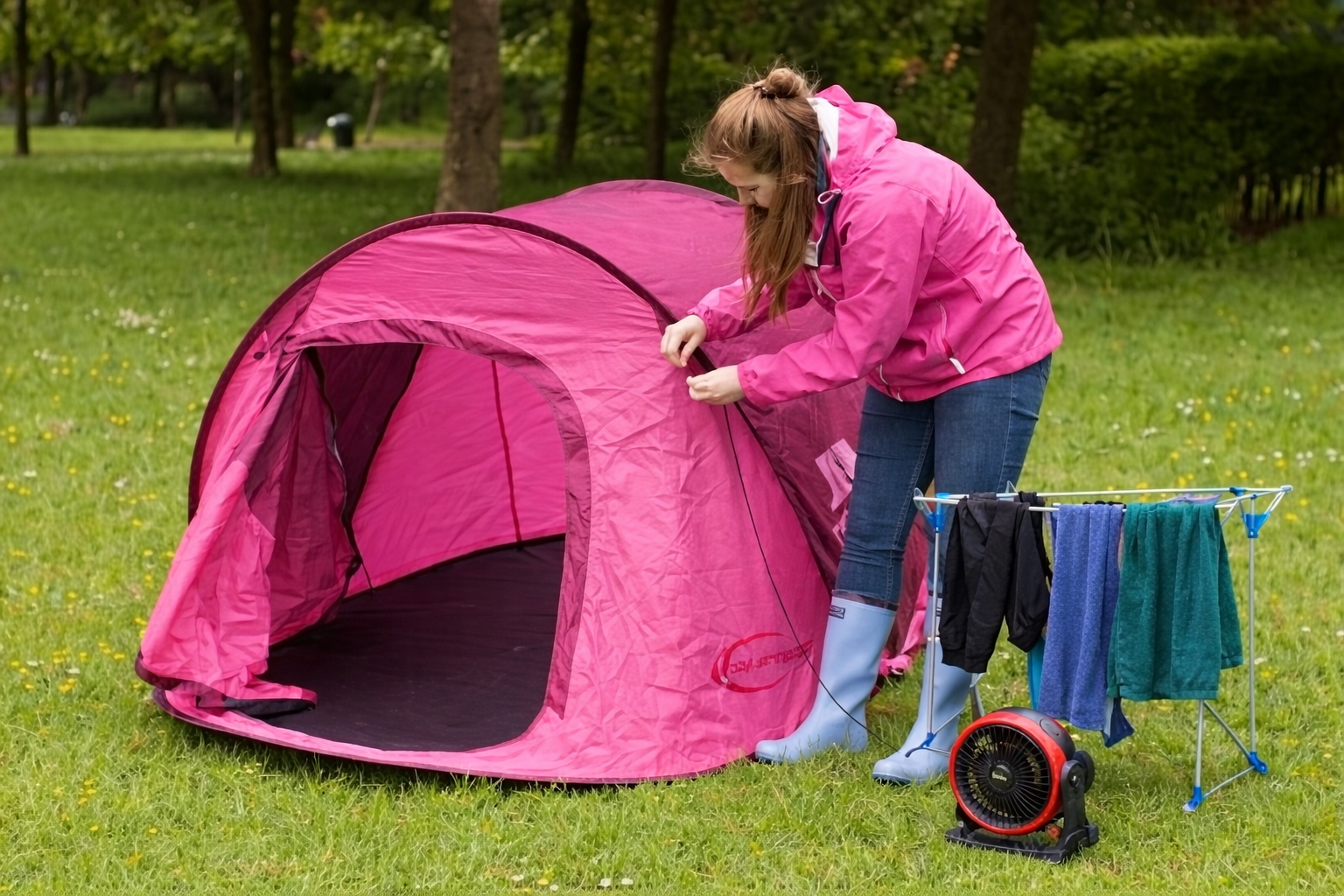
Understanding How to Dry Wet Camping Gear Quickly and Why Quick Drying Matters
When camping gear stays wet for a long period of time, several problems emerge simultaneously. Mold and mildew begin growing within 24-48 hours in damp conditions, creating health hazards and permanent odors that are nearly impossible to remove. The moisture also breaks down waterproof coatings, weakens fabric fibers and can cause metal components like tent poles and zippers to corrode.
Temperature plays a crucial role in drying effectiveness. Cold, humid environments significantly slow evaporation, while excessive heat can damage synthetic materials and down insulation. Understanding these factors helps you choose the right drying method for each situation and piece of equipment.
|
Gear Type |
Air Drying Time |
Accelerated Drying |
|---|---|---|
|
Synthetic sleeping bag |
6-8 hours |
2-3 hours |
|
Down sleeping bag |
12-24 hours |
4-6 hours |
|
Tent (double-wall) |
4-6 hours |
1-2 hours |
|
Rain jacket |
2-3 hours |
30-45 minutes |
Read more: Fun Facts You Need to Know About Luxury Travel
Field Drying Techniques While Camping
Learning how to dry wet camping gear in the backcountry requires creativity and resourcefulness. When you are miles from civilization without access to electric dryers or climate-controlled spaces, natural elements become your best allies. The key is maximizing airflow and sun exposure while protecting equipment from further moisture by utilizing natural wind patterns, strategic hanging lines and safe radiant campfire heat to prevent mold growth.
Start your morning by hanging wet items on trees, clotheslines, or even your tent guy-lines if space allows. Position gear to catch maximum sunlight and breeze, turning items periodically for even drying. Dark-colored gear dries faster in sunlight due to increased heat absorption, but be cautious with delicate fabrics that might fade or degrade under intense UV exposure.
Read more: How to Waterproof Camping Gear: Tents, Backpacks & Clothing Explained
Essential Field Drying Methods
These proven techniques work effectively when mastering how to dry wet camping gear outdoors:
- Stuff sack drying: Fill a waterproof stuff sack with wet clothing, secure it to your backpack, and let the hiking motion create airflow and friction heat
- Rock radiation: Spread sleeping bags or clothing on sun-warmed boulders, which continue radiating heat for hours after sunset
- Campfire proximity: Position damp items 3-4 feet from fire (never closer) on a drying rack made from green branches
- Body heat utilization: Wear slightly damp base layers under dry outer layers to accelerate evaporation through body warmth
- Tent ventilation: Open all vents and doors during dry periods to create cross-ventilation that eliminates interior condensation
- The Absorbent Core (Towel Roll): Lay a wet garment flat on a dry microfiber camp towel, roll them together tightly like a sleeping bag, and kneel on the roll.
Read more: How to Protect Your Camping Gear: Complete Guide
Safe Home Drying Methods for Camping Equipment
Once you return home, proper drying becomes even more critical to prevent permanent damage and prepare gear for storage. The controlled environment of your home offers multiple drying options that aren’t available in the field, but each method requires careful attention to temperature and technique.
Machine drying works well for certain items but can destroy others. Synthetic sleeping bags and most technical clothing can handle low-heat tumble drying, while down products require special care. Always check manufacturer labels before using heat, as even brief exposure to high temperatures can permanently damage waterproof coatings and melt synthetic insulation.
|
Gear Type |
Machine Dry |
Air Dry |
Never Use |
|---|---|---|---|
|
Tents |
Never |
Recommended |
Direct heat |
|
Down bags |
Low heat + balls |
Flat, fluffed |
Hanging wet |
|
Synthetic bags |
Low heat |
Flat or hanging |
High heat |
|
Rain jackets |
Low heat briefly |
Hanging |
Fabric softener |
Read more: How to Plan a Solo Trip: Essential Tips & Safety Strategies
Emergency Quick-Dry Solutions
Sometimes you need to dry wet camping gear immediately because another adventure starts tomorrow or storage space is limited. Emergency situations call for accelerated drying techniques that balance speed with safety. Understanding how to dry wet camping gear quickly without causing damage requires knowledge of material limits and smart use of available resources.
Fans and dehumidifiers create powerful drying environments when used correctly. Position a box fan to blow directly through hung items, creating constant airflow that dramatically speeds evaporation. Dehumidifiers work especially well in basements or garages where wet gear might otherwise stay damp for days. Combining both tools cuts drying time by up to 70% compared to passive air drying.
For sleeping bags specifically, commercial drying racks designed for down products maintain loft while allowing air circulation. If unavailable, lay bags flat across multiple chairs or a clean floor, rotating every few hours. Add tennis balls or dryer balls when machine drying to break up clumps and restore loft in down insulation.
Common Mistakes to Avoid When Drying Camping Gear
Even experienced campers make critical errors when attempting to dry wet camping gear, often causing permanent damage to expensive equipment. The most common mistake is using direct heat sources like radiators, heating vents, or close campfire proximity. These concentrated heat sources can melt synthetic fabrics, degrade waterproof membranes, and cause zippers to warp or fail.
Storing gear before it’s completely dry ranks as the second most destructive error. Even slight dampness can trigger mold growth during storage, creating irreversible odors and fabric damage. The rule is simple: if it feels even slightly cool to the touch, it needs more drying time. This applies especially to thick materials like sleeping bag footboxes and tent floors where moisture hides deep in fabric layers.
|
Material Type |
Safe Max Temp |
Damage Risk |
|---|---|---|
|
Nylon/polyester |
140°F (60°C) |
Melting, warping |
|
Down insulation |
120°F (49°C) |
Oil loss, clumping |
|
Waterproof coatings |
110°F (43°C) |
Delamination |
|
Gore-Tex membranes |
105°F (40°C) |
Pore collapse |
Frequently Asked Questions on How to Dry Wet Camping Gear Quickly
Here are optimized answers to the most frequently asked questions travel enthusiasts ask about how to dry wet camping gear quickly without damaging it.
Can I put my wet tent in the dryer?
Tents should never be placed in a dryer because tumble drying gear ruins camping equipment. Excessively hot temperatures will affect the coating of the material, as well as cause it to break down. Tents must be air dried to avoid any damage caused to the structure. Proper outdoor gear maintenance and natural air drying completely preserve essential tent fabric integrity for your next fun camping adventure. Hanging or laying the tent out on its sides is an acceptable way to air dry the tent properly. If you dry your tent properly, it won’t get moldy, and the waterproof, seam-sealed coatings will stay in place, making sure your shelter lasts for years.
How long does it take to dry a wet sleeping bag?
Synthetic bags dry in 6-8 hours air drying or 2-3 hours with fans. Down bags need 12-24 hours air drying or 4-6 hours in a dryer on low heat with tennis balls. Boost drying times by gently pressing excess water out first. This accelerates evaporation and restores loft. To speed up the drying process, fully unzip the bag for maximum ventilation and use heavy bath towels to absorb any trapped moisture.
Utilize complete drying to prevent odor/mold and fluff insulation, using large commercial dryers on low heat to avoid damaging fabric. Tip: Use a towel that wicks away moisture first to get rid of extra water. This will speed up the drying process and keep technical fabrics from getting too hot.
What’s the fastest way to dry camping gear in an emergency?
Use a combination of fans and dehumidifiers in a warm room. Hang items to maximize airflow and rotate regularly. Prioritize removing excess water with microfibre towels first. For tents, you can basically set up indoors if possible. Use low-heat fan settings, never high direct heat. This method cuts drying time by up to seventy percent. Always ensure the highest ventilation to prevent mold, and never pack your items until they are entirely moisture-free. Keep airflow high and monitor your items closely to prevent dangerous mold growth from ruining your expensive gear fast.
Conclusion
Mastering how to dry wet camping gear properly protects your investment and ensures equipment longevity. Whether you’re dealing with unexpected rain during a backcountry trip or returning home from a soggy weekend adventure, the techniques covered in this guide provide reliable solutions for every situation.
Remember that patience pays off when drying gear. Rushing the process with excessive heat or improper techniques causes far more damage than taking the extra time to dry items correctly. Invest in quality drying equipment like commercial gear racks and dehumidifiers if you camp frequently. These tools pay for themselves by extending gear lifespan.
By following these proven methods for how to dry wet camping gear, you’ll maintain your equipment in peak condition season after season. Your future self will thank you when that expensive sleeping bag or tent performs flawlessly on your next adventure, free from mold, odors, and premature wear.
Related Contents:
- Fun Facts You Need to Know About Luxury Travel
- How to Protect Your Camping Gear: Complete Guide
- How to Waterproof Camping Gear: Tents, Backpacks & Clothing Explained
- How to Plan a Solo Trip: Essential Tips & Safety Strategies
- Complete Guide to Solo Travel: Safety Tips, Budget & Best Destinations for Beginners
- Complete Guide to Hiking the Dolomites: Trails, Costs & Packing List for Beginners
- Tasting Italy: A Journey Through Regional Food Tours
- A Journey Through Regional Food Tours in Mexico: Complete Guide from Oaxaca to Merida
- The Best Food to Eat at Gulfstream Beach: A Complete Culinary Guide
- 20 Best Places & Unique Things to Do in Palm Beach: A Complete Guide