
Written by: Segun Akomolafe
Ever check your fitness tracker after a tough workout and see that mysterious recovery score staring back at you? You’re not alone. These numbers have become the new obsession for athletes and everyday fitness enthusiasts alike. But here’s the real question—do you actually understand what they mean?
Recovery scores aren’t just random numbers your device throws at you. They’re calculated using a combination of heart rate variability, sleep quality, resting heart rate, and physical activity data. Understanding how recovery scores work on fitness trackers helps you make smarter training decisions and avoid the dreaded burnout that derails so many fitness journeys.
What Are Recovery Scores?
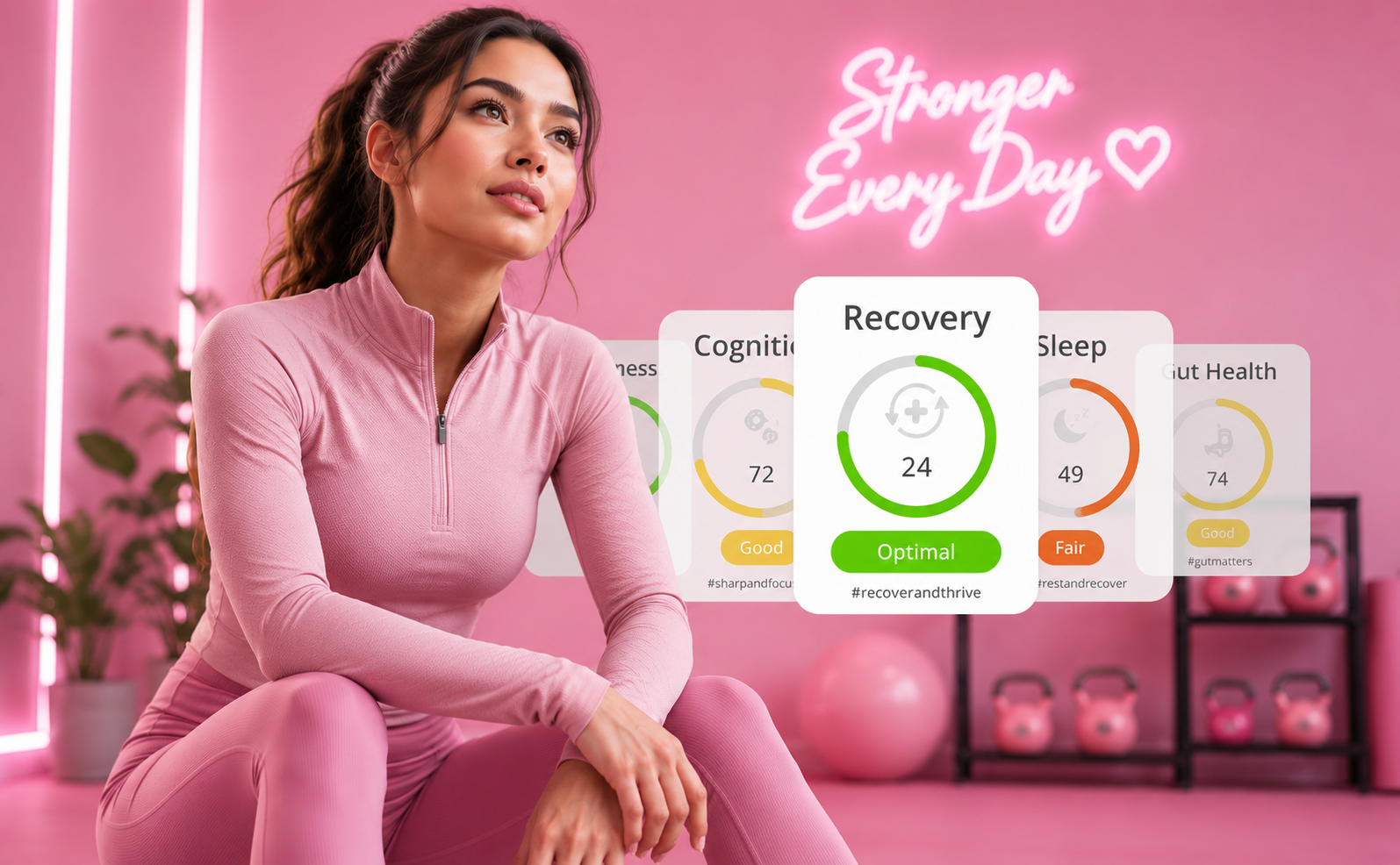
Recovery scores give you a snapshot of how ready your body is for physical stress. Most fitness trackers display these scores on a scale—typically 0-100—with higher numbers indicating better recovery. Your Garmin might show 85 while your Whoop says 70 for the same morning, and that’s totally normal.
The concept stems from sports science research showing that athletes who monitor recovery perform better and stay healthier. When you understand how recovery scores work on fitness trackers, you’ll realize these aren’t meant to guilt-trip you into resting—they’re tools for optimizing your training schedule around your body’s actual capabilities.
Read more: How to Build a Sustainable Workout Routine
The Science Behind the Numbers
Your recovery score draws from multiple physiological markers that reveal your nervous system’s state. Heart rate variability (HRV) measures the time variation between heartbeats—higher variability usually means better recovery. Your resting heart rate also matters; an elevated morning heart rate often signals incomplete recovery from yesterday’s training.
Sleep data adds another layer. Trackers analyze your sleep stages, duration, and quality to assess how well your body recharged overnight. Some devices even factor in respiratory rate and body temperature variations. All these metrics feed into proprietary algorithms that translate complex biology into that single, digestible number on your wrist.
| Metric | What It Measures | Impact on Score |
|---|---|---|
| Heart Rate Variability | Nervous system recovery | High impact |
| Resting Heart Rate | Cardiovascular stress | Moderate impact |
| Sleep Quality | Physical restoration | High impact |
| Activity Load | Training stress balance | Moderate impact |
Read more: How Fitness Trackers Measure Calories Burned? Expert Analysis
How Different Trackers Calculate Recovery
Not all fitness trackers measure recovery the same way. Each brand has developed its own secret sauce, which explains why your buddy’s Oura Ring might recommend rest while your Apple Watch gives you the green light. Let’s break down the major players and their approaches to calculating recovery.
Whoop focuses heavily on HRV and sleep performance, using a strain-based model that compares your current state against your personal baseline. Garmin’s Body Battery combines stress levels with activity and sleep data, presenting recovery as an energy metaphor. Oura Ring prioritizes sleep metrics and body temperature, making it particularly sensitive to illness and overtraining. When examining how recovery scores work on fitness trackers, you’ll notice these philosophical differences shape what each device emphasizes.
Read more: 5 Best Recovery Tracking Devices for Daily Workouts
Brand-Specific Algorithms
Apple Watch calculates recovery indirectly through its Activity rings and heart rate trends, though it doesn’t display a single recovery score like competitors. Instead, you’ll see trends in your Health app that suggest readiness. Fitbit offers a Daily Readiness Score for Premium subscribers, blending activity, sleep, and HRV data with recent workout intensity.
Polar devices use their proprietary Nightly Recharge system, which separates ANS (autonomic nervous system) recovery from sleep recovery for a two-pronged assessment. Samsung Health Monitor tracks similar metrics but presents them differently, focusing on stress management alongside recovery indicators. Understanding these nuances helps you pick the tracker that matches your training philosophy and data preferences.
| Brand | Primary Metrics | Score Range |
|---|---|---|
| Whoop | HRV, Sleep, Strain | 0-100% |
| Garmin | Stress, Sleep, Activity | 0-100 |
| Oura Ring | Sleep, Temperature, HRV | 0-100 |
| Fitbit | Activity, Sleep, HRV | 0-100 |
| Polar | ANS, Sleep Quality | Compromised to OK |
Key Factors That Influence Your Recovery Score
Several lifestyle factors can tank or boost your recovery score beyond just yesterday’s workout intensity. Alcohol consumption, for instance, significantly disrupts sleep architecture and lowers HRV—often showing up as a dramatically reduced score the next morning even if you feel fine.
Stress from work or relationships also hammers recovery metrics. Your body doesn’t distinguish between physical and psychological stress; both activate your sympathetic nervous system and suppress recovery. When you’re learning how recovery scores work on fitness trackers, remember that these devices measure your entire lifestyle, not just gym performance.
Major recovery influencers include:
- Sleep duration and quality: Less than 7 hours or fragmented sleep dramatically lowers recovery scores for most people
- Hydration status: Dehydration elevates resting heart rate and reduces HRV, signaling poor recovery to your tracker
- Nutrition timing: Late meals or insufficient calories can compromise sleep and recovery hormone production
- Illness or inflammation: Even minor infections suppress recovery markers days before you feel sick
- Environmental factors: Extreme temperatures, altitude changes, or jet lag all impact recovery measurements
Read more: 7 Easy Ways to Improve Your Daily Fitness
How to Use Recovery Scores Effectively
Here’s where things get practical. A low recovery score doesn’t automatically mean you should skip your workout. Instead, it suggests modifying your training intensity or type. If your score shows 45/100, maybe swap that planned interval session for an easy run or yoga class.
Track your personal patterns over weeks, not days. Some people consistently score lower or higher due to individual physiology. What matters more is your trend line and how scores correlate with your actual performance and wellbeing. When you grasp how recovery scores work on fitness trackers, you realize they’re guides, not dictators of your training plan.
Adjusting Training Based on Scores
Elite athletes often follow the traffic light system: green scores (70-100) permit high-intensity work, yellow scores (40-69) suggest moderate effort, and red scores (below 40) call for rest or light activity. But you don’t need to be a pro to benefit from this approach.
Listen to your body alongside the data. If your score says you’re recovered but you feel exhausted, trust your subjective experience. Conversely, a low score with great energy might mean your baseline is simply lower. The sweet spot comes from blending quantitative metrics with qualitative self-assessment.
Smart training adjustments based on recovery scores:
- High scores (70+): Perfect for intense intervals, heavy lifting, or long endurance sessions that stress your system
- Medium scores (40-69): Stick with moderate intensity work, skill practice, or steady-state cardio without pushing limits
- Low scores (below 40): Focus on active recovery like walking, stretching, or swimming at conversational pace
- Consistent low scores: Take a full rest day or consult with healthcare providers about potential overtraining or illness
Read more: 8 Best Workouts to Keep You Healthy
Common Misconceptions About Recovery Scores
Many people treat recovery scores like pass/fail tests, getting anxious over every dip. That’s missing the point entirely. These scores represent probability estimates, not certainties. A 60% recovery doesn’t mean you’re 40% broken—it means your body’s showing signs it might benefit from easier training today.
Another myth: higher scores always mean better fitness. Actually, chronic high scores with low activity might indicate you’re not challenging yourself enough. Recovery exists in context with training load. When analyzing how recovery scores work on fitness trackers, remember they’re part of a larger performance puzzle that includes progressive overload and adaptation.
Some folks also believe different trackers should give identical scores. They won’t, and that’s okay. Each algorithm weighs variables differently. What matters is consistency within your chosen device, not matching your training partner’s Oura score when you’re wearing a Garmin.
| Misconception | Reality |
|---|---|
| Scores must be perfect daily | Natural fluctuation is normal and expected |
| Low scores mean you’re unhealthy | They indicate temporary recovery status, not health |
| All trackers should match | Different algorithms produce different scores |
| Ignore low scores if you feel good | Combine subjective feel with objective data |
| High scores guarantee great workouts | Scores predict readiness, not performance outcomes |
Read more: How Wearable Devices Are Transforming Health and Fitness Tracking
Frequently Asked Questions
Here are simple answers to the most frequently asked questions on how recovery scores work on fitness trackers.
Can you improve your recovery score without resting?
Yes, through better sleep hygiene, hydration, stress management, and nutrition. Active recovery activities like gentle yoga or walking can also boost scores without requiring complete rest days. Optimizing daily HRV metrics through strategic recovery techniques and targeted macronutrient intake accelerates physiological repair without the need for complete inactivity.
Why do recovery scores vary between fitness tracker brands?
Each brand uses proprietary algorithms that weight metrics differently. Whoop emphasizes HRV heavily, while Garmin balances stress and activity. These differences reflect varied approaches to measuring readiness, not accuracy problems. This is because each company uses very different data timeframes, sleep weightings and proprietary baselines to calculate their daily totals.
Should beginners rely on recovery scores for training decisions?
Beginners should use recovery scores as one input among many, including how they feel and their training plan’s structure. Over time, patterns emerge that make scores more useful.
Related Contents
- How Wearable Devices Are Transforming Health and Fitness Tracking
- 5 Best Recovery Tracking Devices for Daily Workouts
- How to Choose the Best Workout Clothes for Daily Fitness
- 8 Best Workouts to Keep You Healthy
- How to Create a 7-Day Meal Prep Plan for Weight Loss
- How to Build Functional Fitness for Everyday Life
- How Fitness Trackers Measure Calories Burned? Expert Analysis
- The 10 Best Yoga Mats For Daily Workout
- How to Build a Sustainable Workout Routine
- How to Choose the Best Meal Prep Containers for Weight Loss