
Written by: Segun Akomolafe
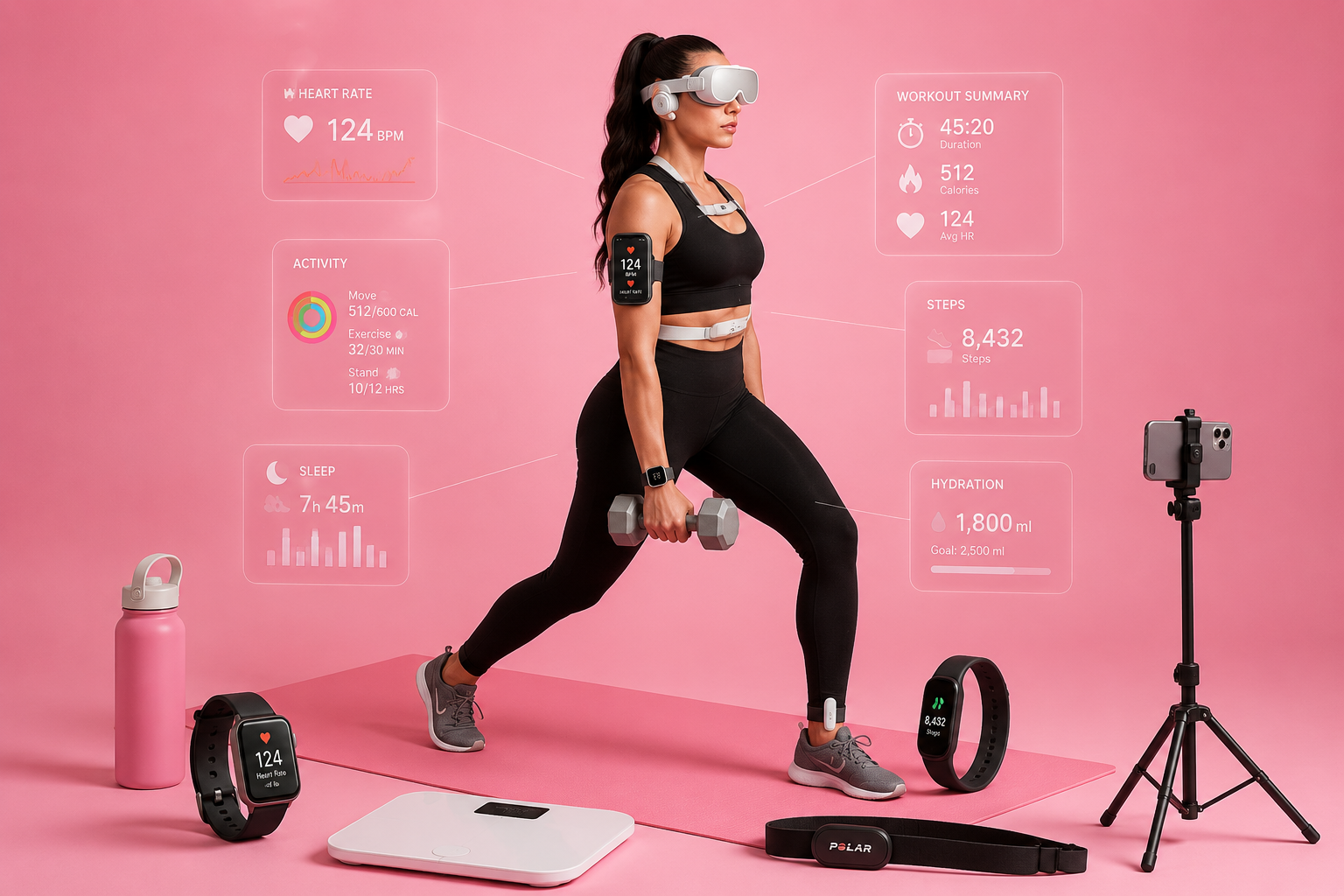
The fitness tracking landscape has actually gone through a remarkable transformation over the past decade. They have basically evolved from simple pedometers to complex wearables that can track heart rate variability, blood oxygen levels, sleep stages and even stress patterns. These little computers strapped to our wrists have easily improved the way millions of people think about their health and wellness goals at a fundamental level. Wearable devices have become trusted partners in the quest for improved health from the casual walker to the elite athlete.
They provide instant feedback, track progress over time and encourage users to keep moving with gamification and social features. Medical professionals now prescribe some devices for managing chronic conditions, and insurance companies offer premium discounts to users who meet activity targets, that’s how far medical technology has come. The change goes beyond the individual user. The collective data generated by millions of wearable devices is basically contributing to the research of health patterns in the population, recognizing potential signals of disease outbreaks, and providing personalized treatment plans. This change is not only personal but also public, positioning wearable technology as one of the most revolutionary health breakthroughs in recent times.
The Evolution of Wearable Fitness Technology
The history of wearables is characterized by simple pedometers worn on belts or placed in pockets. Those devices offered users only one measurement, which was the daily number of steps. Despite their simplicity, pedometers made many users acquainted with the concept of quantifying their physical activity, thus giving rise to the self-tracking trend that was to experience explosive growth in the next decade. This paves the way for modern smartwatches and improved health trackers.
Wrist-wearable fitness trackers were the next big step for the wearables industry. Such devices as Fitbit or Jawbone UP offered the opportunity to monitor continuous heart rate, observe sleep quality and measure activity automatically, thus eliminating the need for manual recording of activities and regular charging of bulky devices. Today’s smartwatches and advanced fitness trackers contain sensors that used to be typical for medical devices.
Electrocardiogram, energy levels, blood oxygen saturation, hydration levels and skin temperature sensors have already turned into the standard feature of such gadgets. This convergence of medical-grade technology and consumer electronics has democratized health monitoring in unprecedented ways.
Read more: 7 Easy Ways to Improve Your Daily Fitness
Key Sensors Powering Modern Wearables
It is important to know the functions of sensors used in wearables in order to understand how wearables operate. The following are the primary components of today’s fitness wearables:
- Optical heart rate sensors use LED lights to monitor the flow of blood in the capillaries on your wrist while you rest or work out.
- Accelerometers measure motion in three axes and are thus used to count steps, recognize physical activities and distinguish between the different phases of sleep
- GPS sensors allow you to trace outdoor workouts precisely, showing maps of your routes, speeds, distances covered, and changes in elevation.
- Gyroscopes improve accelerometer performance by detecting rotation and orientation.
- SpO2 sensors monitor blood oxygen saturation, which is helpful for altitude training and sleep apnea.
Read more: How to create a sustainable work-out routine
Health Metrics You Can Track With Wearable Devices
Every year, wearable devices basically track an ever-expanding list of health metrics. What used to be confined to steps and calories has morphed into a comprehensive health dashboard that can compete with basic medical checkups. Now users can monitor cardio fitness, breathing rate, menstrual cycles, stress levels and recovery status all from the comfort of their own home.
That data is a treasure trove with many uses. For fitness enthusiasts, it easily allows for accurate training load management and boost of recovery. For the health-conscious, it gives early warning signs of potential problems like irregular heart rhythms or falling cardiovascular fitness. It can also let you know the appropriate time for rehydration. For chronic conditions, it provides continued monitoring to complement traditional medical care.
| Metric Category | What It Measures | Practical Use |
|---|---|---|
| Resting Heart Rate | Beats per minute when at rest | Tracks cardiovascular fitness improvements |
| Sleep Stages | Light, deep, and REM sleep duration | Identifies sleep quality and recovery patterns |
| Active Minutes | Time spent in moderate to vigorous activity | Ensures you meet weekly exercise guidelines |
| VO2 Max | Maximum oxygen consumption capacity | Indicates aerobic fitness and endurance level |
| Heart Rate Variability | Variation in time between heartbeats | Measures recovery status and stress levels |
Read more: 8 Best Workouts to Keep You Healthy
Impact on Personal Fitness Habits
Beyond the technology itself, wearable devices have generally changed how people engage with their sustainable fitness routines. The instant feedback loop created by these devices taps into powerful psychological mechanisms. When you can see your heart rate climb during a workout or watch your step count increase throughout the day, exercise transforms from an abstract concept into tangible progress.
Research consistently shows that people who use wearable devices increase their physical activity levels. The simple act of tracking makes people more aware of their movement patterns, and awareness drives behavior change. Features like hourly movement reminders, daily step goals and achievement badges leverage behavioral science principles to encourage consistent activity.
The social components of modern wearables amplify this effect. Challenges with friends, virtual races and leaderboards add a competitive element that keeps users engaged. The ability to share workout summaries on social media provides external accountability and social reinforcement. For many users, their wearable device becomes a daily companion that celebrates victories and gently nudges them when they fall behind.
Gamification and Motivation Strategies
Wearable device manufacturers understand that technology alone doesn’t change behavior. Extra assistance system is required. They have already invested heavily in motivation systems designed to keep users engaged over months and years. These strategies include:
- Progressive achievement badges that unlock as users reach new milestones in steps, active minutes, or distance covered
- Personalized daily goals that adjust based on recent activity levels, preventing both discouragement and complacency
- Streak tracking that encourages consistency by showing how many consecutive days users have met their goals
- Community challenges that pit users against friends or strangers in time-limited competitions
- Guided workouts with real-time feedback that help users train more effectively and safely
Read more: How to Build Functional Fitness for Everyday Life
Medical Applications of Wearable Devices
The line between consumer fitness tracking technology and medical devices has become quite fuzzy. Some wearable devices already possess the simple approval to be used medically for atrial fibrillation detection, fall detection coupled with emergency responses and integration of glucose monitoring capabilities. Wearable devices have become important tools in healthcare for checking and managing chronic illnesses.
For individuals diagnosed with heart diseases, continuous heart monitoring can ease their worries and detect any abnormal rhythms of their heart. Diabetics can connect their continuous glucose monitoring devices with their watches to get alerts regarding high blood sugar levels. Sleep apnea detection can be easily conducted by wearables.
| Medical Application | How It Works | Patient Benefit |
|---|---|---|
| AFib Detection | ECG sensor identifies irregular heart rhythms | Early diagnosis reduces stroke risk |
| Fall Detection | Accelerometer detects sudden impacts and calls emergency services | Critical for elderly users living alone |
| Medication Reminders | Timed notifications prompt medication adherence | Improves treatment compliance for chronic conditions |
| Stress Management | Guided breathing exercises based on HRV measurements | Supports mental health and anxiety management |
Read more: Strength Training for Beginners: A Detailed Guide
Data Privacy and Security Considerations
As wearable devices collect increasingly sensitive health data, privacy and security concerns have moved to the forefront. Users entrust these devices with information about their location, sleep patterns, exercise habits, heart health and sometimes even reproductive cycles. This data could potentially be used for targeted advertising, sold to third parties, or accessed by unauthorized individuals.
Reputable manufacturers have implemented strong encryption, secure data storage, and transparent privacy policies. However, users should remain vigilant about what data they share and how it might be used. Reading privacy policies, understanding data sharing settings, and regularly reviewing app permissions are essential steps for protecting personal health information.
The Future of Wearable Health Technology
The next generation of wearable devices promises even more impressive capabilities. Researchers are already developing non-invasive blood glucose monitoring, hydration sensors, blood pressure tracking, and even early infection detection through temperature and heart rate pattern analysis. Smart fabrics embedded with sensors could eliminate the need for wrist-worn devices entirely.
Artificial intelligence will play an expanding role in interpreting the massive amounts of data these devices collect. Instead of just showing raw numbers, future wearables will provide personalized insights, predict health events before they occur, and offer specific recommendations tailored to individual physiology and goals.
| Emerging Technology | Current Status | Potential Impact |
|---|---|---|
| Non-Invasive Glucose Monitoring | Clinical trials, not yet consumer-ready | Game-changer for diabetes management |
| Smart Clothing | Early prototypes available | More comprehensive biometric tracking |
| AI Health Coaching | Basic versions in current apps | Personalized health recommendations at scale |
| Mental Health Monitoring | Research phase, limited features available | Early intervention for depression and anxiety |
Read more: The 10 Best Yoga Mats For Daily Workout
Frequently Asked Questions About Wearable Devices
Here are the relevant answers to the common questions users ask on how to use wearable devices for their health and fitness tracking.
1. Are wearable devices accurate enough for medical decisions?
While consumer wearable devices provide useful health insights, they should not replace professional medical advice. Smart watches’ health tracking and advanced clinical validation provide reliable metrics, but continuous remote patient monitoring always requires expert medical oversight. FDA-cleared features like ECG monitoring can detect certain conditions accurately, but always consult healthcare providers for diagnosis and treatment decisions based on wearable device data.
2. How long do wearable device batteries typically last?
Battery life varies widely depending on features used. Expanding your device’s efficiency with optimal settings ensures longer performance. Choosing a model with efficient power management helps extend daily use. Basic fitness trackers often last 5-7 days, while feature-rich smart watches typically require daily or every-other-day charging. GPS tracking and continuous heart rate monitoring drain batteries faster than standard activity tracking alone.
3. Can wearable devices help with weight loss goals?
Yes, wearable devices can help by providing real-time data and consistent daily motivation for healthy habits. Studies from valid sources show that people using wearable devices for weight loss tracking tend to lose more weight than those without them. The continuous monitoring, calorie tracking, and activity reminders help maintain accountability. However, success ultimately depends on maintaining a calorie deficit through diet and exercise.
Related Contents
- Meal Prep For Weight Loss: The Complete Beginner’s Guide
- 7-Easy Ways to Improve Your Daily Fitness
- How to Choose the Best Workout Clothes for Daily Fitness
- 8 Best Workouts to Keep You Healthy
- How to Create a 7-Day Meal Prep Plan for Weight Loss
- How to Build Functional Fitness for Everyday Life
- The Complete Guide to Protein Supplements
- The 10 Best Yoga Mats For Daily Workout
- How to Build a Sustainable Workout Routine
- How to Choose the Best Meal Prep Containers for Weight Loss