
Written by: Segun Akomolafe
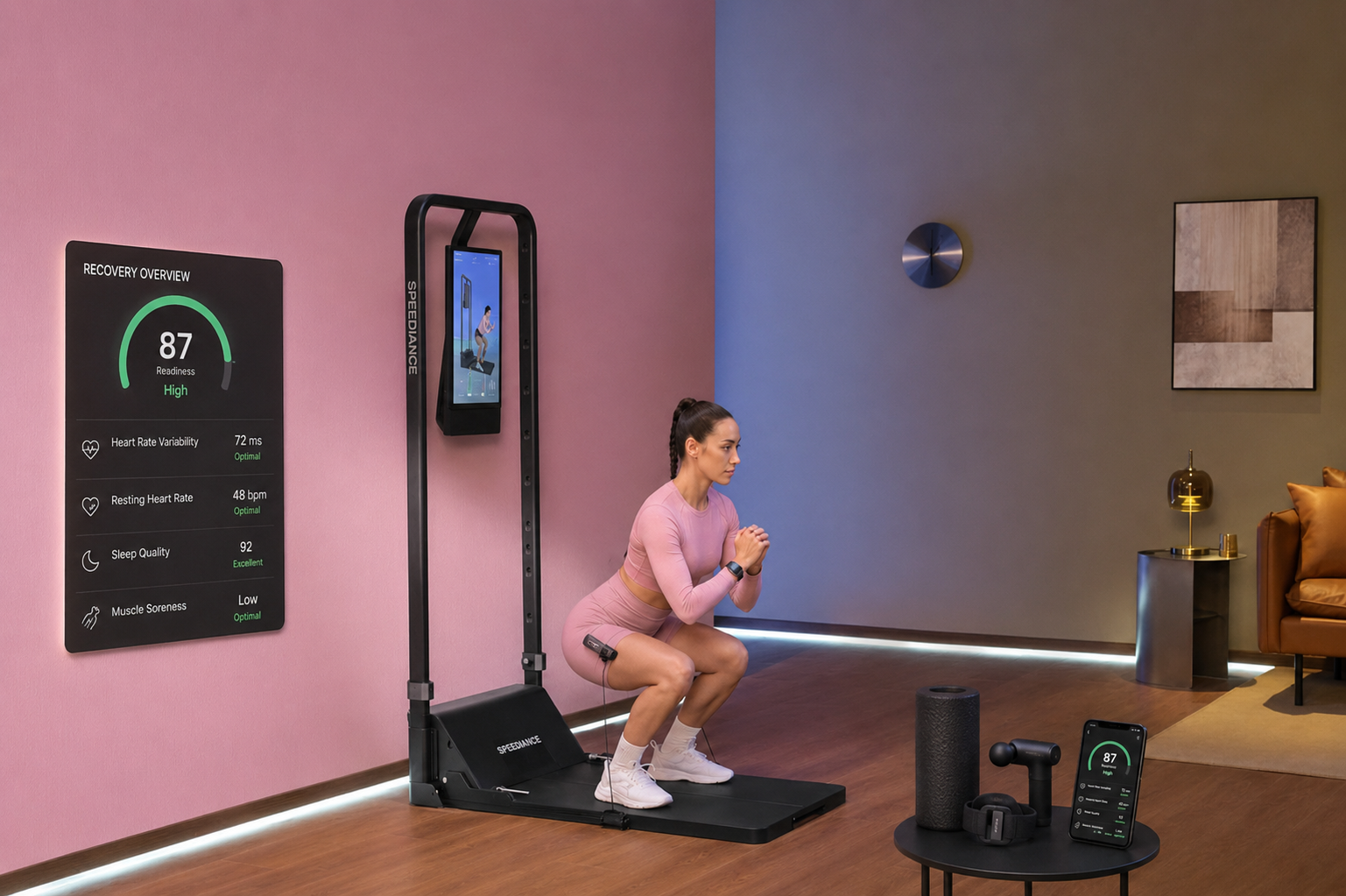
Recovery is basically just as important in workout routines as workouts themselves. People are realizing that by keeping track of their recovery, they can avoid injuries, maximize efficiency, and speed up the process of achieving their desired results. Modern technology makes it possible for individuals to have the same recovery tracking tools as professional athletes that are only used in laboratory conditions.
Recovery tracking devices analyze all kinds of metrics ranging from HRV and sleep analysis to muscle oxygen saturation and strain scores. By analyzing these metrics, you will be able to know whether your body is ready for an intense workout or it needs some downtime. With the right recovery tracking device on your wrist or chest, you will make informed decisions based on data rather than assumptions.
There are many devices currently available on the market. In this article, we will look at five of the best recovery tracking devices that will give you precise results and provide you with actionable insights.
Why Recovery Tracking Matters for Your Fitness Goals
Your body doesn’t get stronger during workouts. It increases during periods of recovery as muscles repair and adapt to training stress. If you don’t allow for adequate recovery, you can suffer from overtraining syndrome, reduced performance, chronic fatigue and an increased risk of injury. Traditional fitness trackers look at activity, such as steps, calories and length of workout. Recovery tracking does the opposite, by tracking how your body responds to training stress.
The best recovery tracking devices measure multiple biomarkers to give you comprehensive recovery scores. These scores actually tell you when to push hard, keep a moderate intensity or take an active recovery day. That way you avoid the common mistake of training too hard when you need to recover or recovering when you can safely train harder.
Read more: How to Build a Sustainable Workout Routine
Key Metrics the Best Recovery Tracking Devices Monitor
A good knowledge of which metrics matter helps you choose the right device for your needs. Different devices basically prioritize different measurements. This is why it is very good to know what each metric reveals about your recovery status.
- Heart Rate Variability (HRV): Measures the variation in time between heartbeats and basically indicate the nervous system balance and stress levels
- Resting Heart Rate: Tracks your baseline heart rate with elevated values to suggest incomplete recovery or illness
- Sleep Quality: Analyzes sleep stages, duration and disturbances that impact physical and mental recovery
- Training Load: Basically calculate the accumulated workout stress to prevent overtraining and optimize training intensity
- Body Temperature: This actually monitors skin or core temperature changes that signal illness, menstrual cycle phases or recovery status
The best recovery tracking devices basically combine multiple metrics rather than relying on a single measurement. This multi-metric approach provides a more complete picture of your recovery status and actually reduces the chances of wrong information from any single data point.
Read more: 7 Easy Ways to Improve Your Daily Fitness
| Recovery Metric | What It Reveals | Optimal Use |
|---|---|---|
| HRV | Stress and recovery balance | Daily training decisions |
| Sleep Quality | Physical and mental restoration | Lifestyle adjustments |
| Training Load | Cumulative workout stress | Preventing overtraining |
| Respiratory Rate | Breathing patterns during rest | Illness detection |
The 5 Best Recovery Tracking Devices You Need to Know
After extensive research and testing for daily fitness, these five devices stand out for their accuracy, features, and user experience. Each excels in different areas, making them suitable for various training styles and recovery monitoring needs.
1. WHOOP 4.0 — Best Overall Recovery Tracking Device
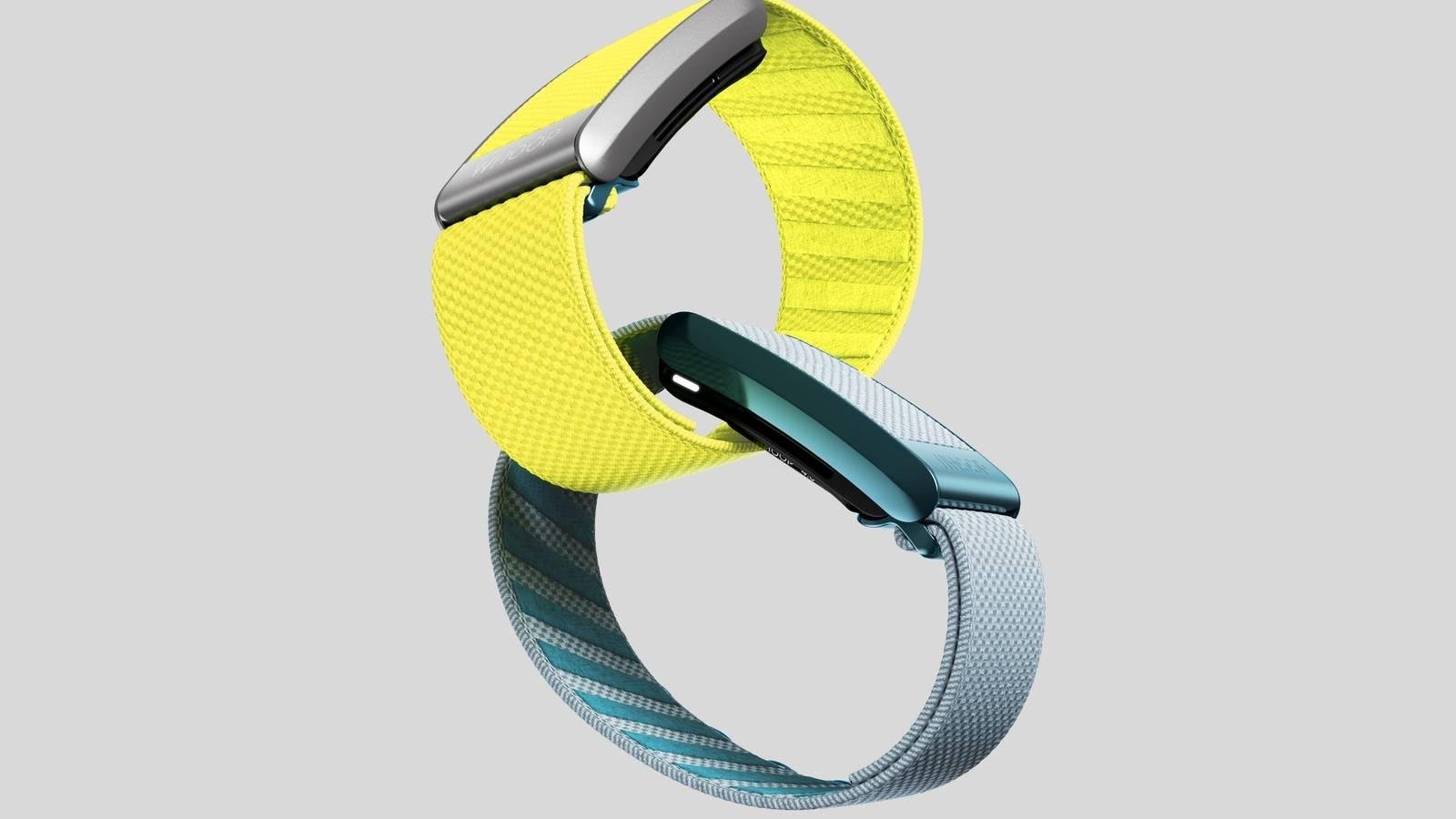
The WHOOP 4.0 is one of the most advanced tools for monitoring recovery among the best tools in this category. Being a screenless tracker, it solely concentrates on measuring strain, recovery, and easy sleep without the distraction from notifications or applications. The device measures heart rate, HRV, respiration rate, blood oxygen, and skin temperature to calculate your daily recovery score between 0 and 100.
The uniqueness of WHOOP comes from its algorithm which analyzes your data and understands your baseline. WHOOP will make recommendations about the optimal level of training according to your current state of recovery. Users say they feel more productive while being less exposed to overtraining after using WHOOP.
As for the subscription, you do not have to buy any hardware since the price includes everything from replacement devices to software updates and access to the powerful application. Moreover, its battery lasts up to five days, and what makes it better is the removable battery pack.
2. Garmin Fenix 7 — Best for Multi-Sport Athletes
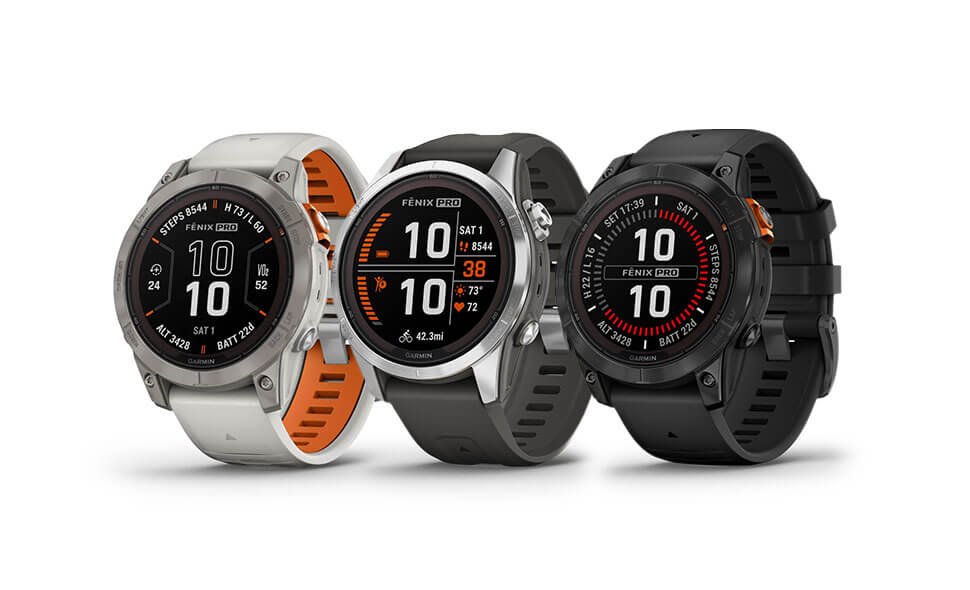
Important features of Garmin Fenix 7 include the integration of recovery measurement with sports tracking. It measures the Body Battery that drains from activities and stress, but is replenished by rest and sleep. This easy-to-understand statistic enables you to know your energy level at different times of the day.
It has an HRV Status tracker, Training Readiness tracker, sleep tracker, and workout trackers for many types of exercise. Garmin Fenix 7 offers a Training Status feature which determines if you are effectively training, maintaining fitness, or pushing yourself too hard through analysis of your training volume and fitness. Solar charging makes it last weeks instead of days.
Read more: 8 Best Workouts to Keep You Healthy
3. Oura Ring Gen 3 — Best for Discreet 24/7 Monitoring
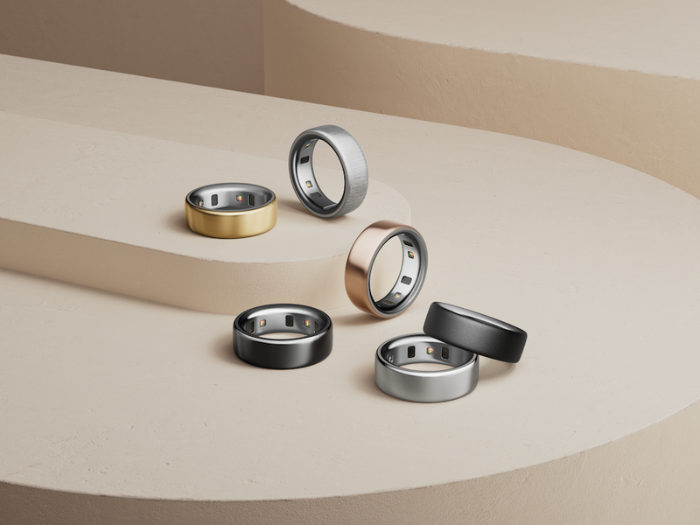
Oura Ring is a small titanium ring weighing 4-6 grams that offers advanced recovery measurement features. The device is excellent in monitoring sleep and recovery trends without making you sacrifice style or versatility since it can be worn all the time. Oura provides three daily scores: Readiness, Sleep, and Activity. The Readiness score is your main indicator of recovery.
Body temperature, HRV, heart rate, and respiration measurements are among the most accurate for such a tiny device. The battery lasts up to seven days, and there is a compact case for charging, which makes it convenient for traveling. What really distinguishes Oura is sleep analysis and trend prediction, not workout monitoring in real time.
4. Apple Watch Ultra — Best Integration with Apple Ecosystem
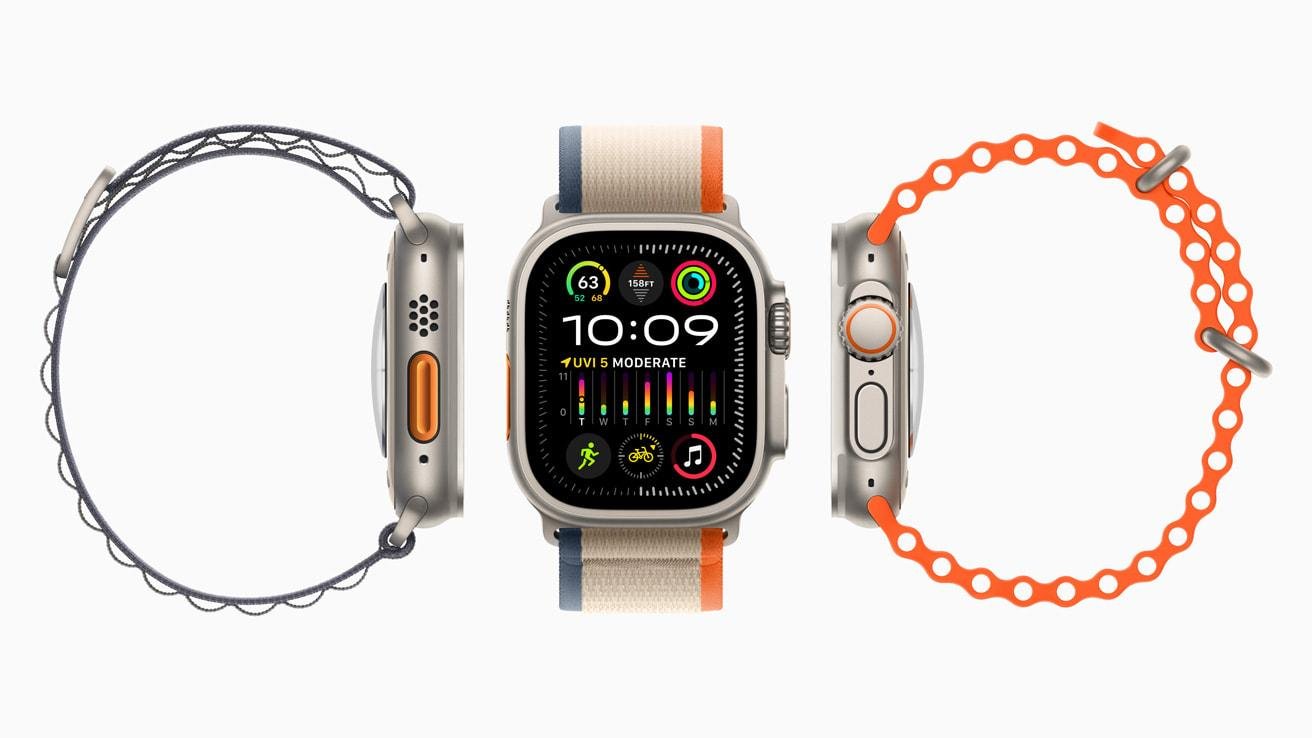
Apple Watch Ultra offers good recovery tracking alongside smartwatch functionality. The device tracks HRV, resting heart rate, sleep stages, and blood oxygen to provide insights into recovery status. Third-party apps like Training Today and HRV4Training enhance the native recovery features with more detailed analysis and recommendations.
The Ultra’s extended battery life, rugged design, and action button make it suitable for demanding training environments. Workout tracking covers extensive sports, and the integration with Apple Health creates a centralized hub for all health data. For iPhone users invested in the Apple ecosystem, the Ultra delivers comprehensive recovery insights without sacrificing smartwatch convenience.
Read more: How Wearable Devices Are Transforming Health and Fitness Tracking
5. Polar Vantage V3 — Best Value for Serious Athletes
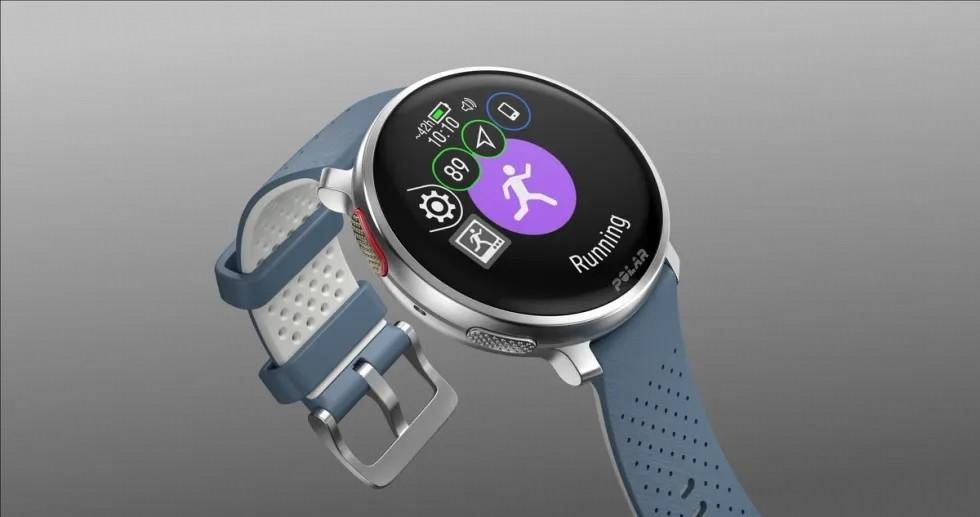
Polar Vantage V3 delivers professional-grade recovery tracking at a more accessible price point than many competitors. The device provides a Recovery Pro analysis that considers training load, sleep quality, and lifestyle factors to recommend optimal training intensity. Polar’s Nightly Recharge feature evaluates how well your autonomic nervous system recovered during sleep.
The watch tracks HRV, orthostatic test results, sleep stages, and training load to generate actionable recovery insights. Polar’s extensive library of guided workouts and training plans helps athletes structure their training around recovery data. Battery life reaches 140 hours in power-saving mode, making it reliable for ultra-distance events.
Read more: How to Build Functional Fitness for Everyday Life
| Device | Battery Life | Price Range | Best For |
|---|---|---|---|
| WHOOP 4.0 | 5 days | $239-399/year | Dedicated recovery focus |
| Garmin Fenix 7 | 18-22 days | $699-899 | Multi-sport athletes |
| Oura Ring Gen 3 | 7 days | $299 + $6/mo | Discreet monitoring |
| Apple Watch Ultra | 36 hours | $799 | Apple ecosystem users |
| Polar Vantage V3 | 140 hours | $599 | Value-conscious athletes |
How to Choose Among the Best Recovery Tracking Devices
Selecting the right recovery tracking device depends on your specific needs, training style, and preferences for sustainable fitness. Consider these factors when making your decision:
- Training intensity: Serious athletes benefit from devices with advanced metrics like WHOOP or Garmin, while casual exercisers may find Oura Ring sufficient
- Form factor preference: Some prefer traditional wrist wearables, while others appreciate the discretion of a ring or the functionality of a smartwatch
- Battery life requirements: Long endurance events demand devices with extended battery life or solar charging capabilities
- Subscription vs. one-time purchase: WHOOP and Oura require ongoing subscriptions, while Garmin and Polar offer full functionality without recurring fees
- Ecosystem integration: Apple users gain significant benefits from Watch Ultra integration, while Android users should consider Garmin or Polar
Budget also plays a role, with options ranging from subscription-based models to premium one-time purchases. All five devices reviewed here deliver accurate recovery metrics, so your choice should align with your training goals and lifestyle preferences rather than pure performance differences.
Read more: Strength Training for Beginners: A Detailed Guide
Maximizing Results from Your Recovery Tracking Device
Owning one of the best recovery tracking devices is only the first step. To truly benefit from these tools, you need to interpret the data correctly and act on the insights they provide. Start by establishing your personal baseline over several weeks of consistent wear. Recovery metrics vary significantly between individuals, so understanding your normal ranges is essential.
Pay attention to trends rather than single-day readings. One poor recovery score doesn’t mean you should skip training entirely, but a week of declining scores signals a need for rest or reduced intensity. Cross-reference multiple metrics before making decisions. For example, low HRV combined with elevated resting heart rate strongly suggests inadequate recovery, while low HRV alone might reflect stress rather than physical fatigue.
Use recovery data to optimize your training schedule. Schedule high-intensity workouts when recovery scores are high and save easy recovery sessions or complete rest days for when scores are low. This approach prevents the common mistake of pushing through fatigue or wasting high-recovery days on light workouts.
| Recovery Status | Recommended Training | Activities to Avoid |
|---|---|---|
| High (Green/80-100%) | High-intensity intervals, heavy lifting, PR attempts | Excessive volume without purpose |
| Moderate (Yellow/50-79%) | Moderate cardio, technical skill work, mobility | Max effort tests, two-a-days |
| Low (Red/0-49%) | Active recovery, walking, stretching, rest day | Any high-intensity training |
Read more: The 10 Best Yoga Mats For Daily Workout
Frequently Asked Questions About Recovery Tracking Devices
Here are the best answers to the most common questions people ask about recovery tracking devices.
How accurate are recovery tracking devices compared to medical equipment?
The best recovery tracking devices use medical-grade sensors and provide clinically validated measurements for most metrics. While not replacing professional medical testing, these consumer devices deliver sufficient accuracy for training optimization decisions and trend monitoring across weeks.
Do I need to wear the device during workouts or just during sleep?
Continuous wear provides the most accurate recovery assessment. Devices need workout data to calculate training load, nighttime measurements for sleep analysis, and daytime readings for resting heart rate baselines. Removing the device significantly reduces insight accuracy and completeness.
Can recovery tracking devices prevent overtraining syndrome?
These devices provide early warning signs through declining recovery scores, elevated resting heart rate, and reduced HRV. Acting on these signals by adjusting training intensity helps prevent overtraining. However, devices cannot force behavioral changes, so prevention requires following the recommendations they provide.
Related Contents
- How Wearable Devices Are Transforming Health and Fitness Tracking
- 7-Easy Ways to Improve Your Daily Fitness
- How to Choose the Best Workout Clothes for Daily Fitness
- 8 Best Workouts to Keep You Healthy
- How to Create a 7-Day Meal Prep Plan for Weight Loss
- How to Build Functional Fitness for Everyday Life
- The Complete Guide to Protein Supplements
- The 10 Best Yoga Mats For Daily Workout
- How to Build a Sustainable Workout Routine
- How to Choose the Best Meal Prep Containers for Weight Loss