
Written by: Segun Akomolafe
Taking care of your camping gear is super important if you want it to last longer and keep your outdoor trips safe and comfy. Whether you’re just a weekend camper or a pro in the backcountry, knowing how to protect your gear from the weather, animals, theft and just general wear can save you a ton of cash on replacements. In this handy guide, I’ll share some important tips that have helped lots of campers keep their stuff in great shape over the years. With camping participation jumping by 28% since 2020, gear protection is more important than ever!
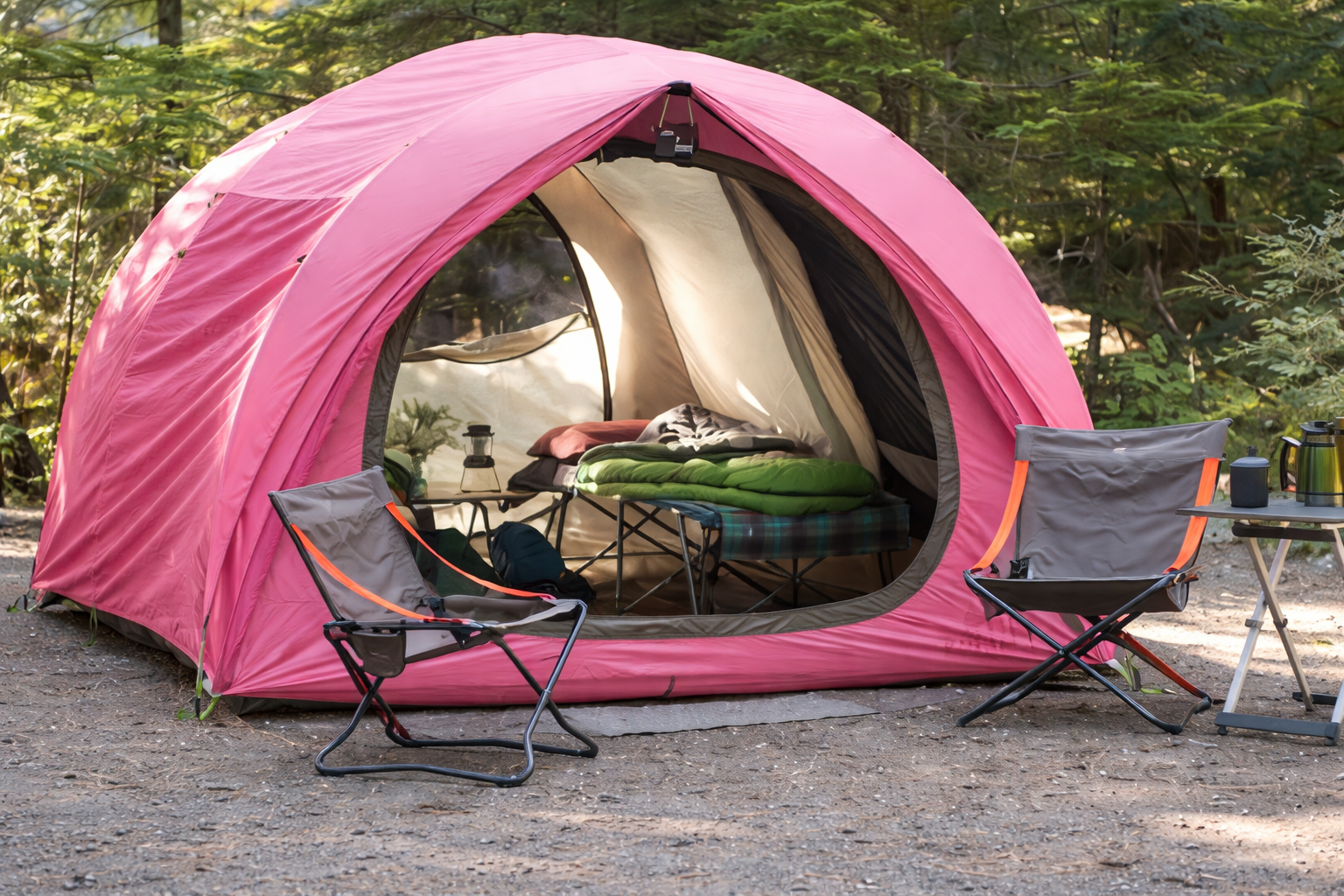
Understanding Common Threats to Your Camping Equipment
Before we get into how to keep your gear safe, let’s talk about the biggest threats that can mess it up. From my years of camping in all sorts of places and weather, I’ve seen how fast unprotected gear can fall apart. The weather is the biggest culprit. It causes things like water damage, UV damage and breaking down materials. Wildlife is another big risk, as animals are drawn to food smells in tents and backpacks. Plus, theft at campsites has gone up 15% in popular areas, and not storing and transporting your gear right can lead to extra wear and tear.
Common Camping Gear Threats and Their Impact
|
Threat Type |
Primary Damage |
Prevention Cost |
|---|---|---|
|
Weather Exposure |
UV degradation, water damage, mold |
$30-80 |
|
Wildlife |
Tears, punctures, contamination |
$25-60 |
|
Theft |
Complete gear loss |
$15-50 |
|
Improper Storage |
Mildew, rodent damage, fabric weakening |
$0-40 |
Weather Protection Strategies That Actually Work
When you think about protecting your camping gear from the elements, waterproofing should be your number one priority. I suggest treating tents, backpacks, and sleeping bags with silicone-based waterproof spray every season to prevent costly rain damage on your trips. Do this in a well-ventilated spot and give it 24 hours to cure before using it. UV protection is also very important, especially at high altitudes where UV rays get stronger the higher you go. Keep your gear in the shade during the day and use UV-resistant bags for easy transport.
Here’s a quick weather protection checklist:
- Get good rain covers for your backpacks and gear bags ($20-40)
- Use silicone seam sealer on tent seams every year
- Apply DWR (Durable Water Repellent) coating on jackets and gear
- Pack waterproof bags for electronics and important papers
- Set up camp in spots with natural windbreaks and drainage
- Make sure everything is completely dry before packing to avoid mildew
Extreme temperatures can mess up your gear too. In hot weather, don’t leave your stuff in direct sunlight for too long. In the cold, pay special attention to water filters, as they can crack if the water inside freezes. Keep filters in your sleeping bag overnight when winter camping. For wind protection, secure your tent stakes with rocks in addition to using normal pegs and use guylines that can handle high winds.
Read more: How Much Does It Cost to Visit Italy: Real Budget from Rome to Sicily
Wildlife-Proof Your Campsite and Equipment
Proper food storage and odor elimination strategies ensure effective camping safety. A good knowledge of how to protect your camping gear from wildlife is crucial for both your safety and equipment longevity. Bears, raccoons, and rodents can cause serious damage when attracted to food odors on gear. Store all food, toiletries and scented items in bear-resistant containers or hang them using the PCT method (at least 12 feet high and 6 feet from tree trunks). You should never store food in your tent, even if sealed in containers.
Wildlife Protection Methods by Animal Type
|
Wildlife Type |
Protection Method |
Effectiveness |
|---|---|---|
|
Bears |
Bear canisters, proper food hanging |
95% |
|
Raccoons/Rodents |
Sealed containers, elevated storage |
85% |
|
Insects |
Permethrin treatment, sealed zippers |
90% |
Treat gear with permethrin to deter insects and prevent tick-borne diseases. This odorless treatment lasts through six wash cycles and provides effective protection against mosquitoes, ticks, and chiggers. Clean cooking utensils immediately after use and store them away from sleeping areas. I’ve found that maintaining a clean campsite reduces wildlife encounters by 75%.
Read more: Fun Facts You Need to Know About Luxury Travel
Theft Prevention Techniques for Campsites
Campsite theft has become increasingly common, making it essential to learn how to protect your camping gear from opportunistic thieves. Implementing proven outdoor security measures and smart asset tracking ensures total peace of mind. Use cable locks to secure bikes, coolers, and large equipment to trees or your vehicle. Mark all gear with UV-invisible ink containing your contact information. Take photos of expensive items with serial numbers visible for insurance purposes.
Never leave valuables visible in your vehicle. Use trunk organizers or opaque storage bins to cover your equipment. When leaving camp for day hikes, consider these security measures: collapse tents to appear abandoned, lock zippers with small padlocks, and inform camp hosts of your departure time. Choose campsites visible from main paths, as thieves prefer secluded areas. Join camping communities to share security updates about specific locations.
Read more: How to Plan a Solo Trip: Essential Tips & Safety Strategies
Proper Storage and Maintenance Practices
Long-term storage practices significantly impact gear lifespan. It’ll also make you enjoy your next theme park visit in Europe much more than you previously do. After each trip, clean all equipment thoroughly before storage. Tents should be completely dry and stored loosely in breathable bags, never in compressed stuff sacks. Down sleeping bags need special care. Keep them uncompressed in large cotton storage sacks or hang them in closets. This stops down clusters breaking and keeps the loft.
Seasonal Storage Guide for Camping Gear
|
Gear Type |
Cleaning |
Storage Method |
Location |
|---|---|---|---|
|
Tents |
Mild soap, air dry |
Loose in mesh bag |
Cool, dry area |
|
Sleeping Bags |
Down wash, tumble dry |
Uncompressed, hanging |
Climate controlled |
|
Backpacks |
Vacuum, spot clean |
Stuffed to maintain shape |
Away from pests |
|
Cooking Gear |
Sanitize, dry completely |
Organized containers |
Ventilated storage |
Inspect gear regularly for signs of wear, mildew, or damage. Replace worn zippers before they fail completely. Apply zipper lubricant annually to prevent breakage. For tent longevity, always use a footprint (groundsheet) to protect the tent floor from sharp rocks and moisture. Store stoves with fuel completely drained to prevent corrosion. Keep repair kits accessible and replace used items immediately. These maintenance habits extend gear life by 3-5 years on average and it’s actually affordable for most travel enthusiasts.
Protecting gear necessitates proactive maintenance: properly clean and dry goods, utilize waterproof storage, apply protective sprays, and keep in a cool, dry spot to avoid moisture and UV damage, ensuring your investment lasts for years of adventures.
Read more: Tasting Italy: A Journey Through Regional Food Tours
Frequently Asked Questions
Here are the best answers to the most frequently asked questions by travel enthusiasts on how to protect your camping gear.
How often should I waterproof my tent?
You should waterproof your tent every year or after about 20-30 camping trips. If you notice that water doesn’t bead up on the fabric anymore during your vacation, it’s time to put on some seam sealer again. Always apply a fresh polyurethane or silicone coating and seam sealer on a dry, sunny day, letting it cure completely before packing your gear away. Keeping up with this helps stop water from getting in and makes your tent last a lot longer. Before putting on a new sealer, make sure the tent is clean and that the old coating isn’t peeling. This will help the new waterproof layer stick better.
What’s the best way to store camping gear long-term?
Make sure to store your gear clean and totally dry in a place with a stable temperature. Use breathable bags instead of plastic. If you know how to protect your camping gear, you will regularly keep your camping materials out of direct sunlight and away from moisture to avoid mold and wear and tear. Pro-tip: Store sleeping bags uncompressed, hang backpacks, and remove batteries from electronics to prevent leakage and damage over long-term storage. To increase longevity, keep equipment off the ground to avoid pests, and place desiccant packs in your storage containers to take up moisture.
Can I leave camping gear in my car year-round?
It’s best not to keep your gear in your car for a long time. Extreme temperatures can mess up the materials and it also makes it easier for theft. Only keep emergency kits in there. Leaving outdoor equipment in poor storage conditions year after year will quickly diminish your investment, leading to costly premature replacements that can affect your next adventure. Heat breaks down synthetic fabrics, ruins adhesives, and makes sleeping pads, electronics, and fuel canisters unsafe. Always take your camping gear out after trips to stop UV damage and condensation problems.
Conclusion
Figuring out how to take care of your camping gear takes a bit of effort and involves thinking about weather, animals, theft, and how to easily store things right. By using these tried-and-true tips, you’ll help your gear last longer and save money on replacements. The money you spend on protection during your trip will pay off within a season because you’ll have less damage and fewer replacement costs.
Remember, learning how to protect your camping gear is an ongoing journey that gets better with time. Begin with the essentials, like waterproofing, wildlife prevention, and proper storage, and build upon your skills as you go on more camping trips. Your equipment is a significant investment in your outdoors experience, and maintaining it will ensure its performance on many future trips to come.
Related Contents:
- Fun Facts You Need to Know About Luxury Travel
- How Much Does it Cost to Travel to Japan: Complete Budget Breakdown
- How to Plan a Solo Trip: Essential Tips & Safety Strategies
- Complete Guide to Solo Travel: Safety Tips, Budget & Best Destinations for Beginners
- Complete Guide to Hiking the Dolomites: Trails, Costs & Packing List for Beginners
- Tasting Italy: A Journey Through Regional Food Tours
- A Journey Through Regional Food Tours in Mexico: Complete Guide from Oaxaca to Merida
- The Best Food to Eat at Gulfstream Beach: A Complete Culinary Guide
- The 5 Best Rain Jackets For Men and Women
- 20 Best Places & Unique Things to Do in Palm Beach: A Complete Guide