
Written by: Segun Akomolafe
YouTube isn’t just a video platform—it’s the second largest search engine in the world, with over 2.7 billion monthly active users. Whether you’re a small business owner, content creator, or marketing professional, YouTube offers unprecedented opportunities to reach your target audience, build your brand, and drive conversions.
This comprehensive guide will walk you through everything you need to know to develop and execute a successful YouTube marketing strategy this year. With that being said, let’s explore the ultimate guide to YouTube marketing.
Understanding YouTube’s Ecosystem
YouTube’s algorithm has evolved significantly over the years. Today, it prioritizes viewer satisfaction above all else. This means the platform rewards content that generates genuine engagement rather than clickbait that leads to quick abandonment.
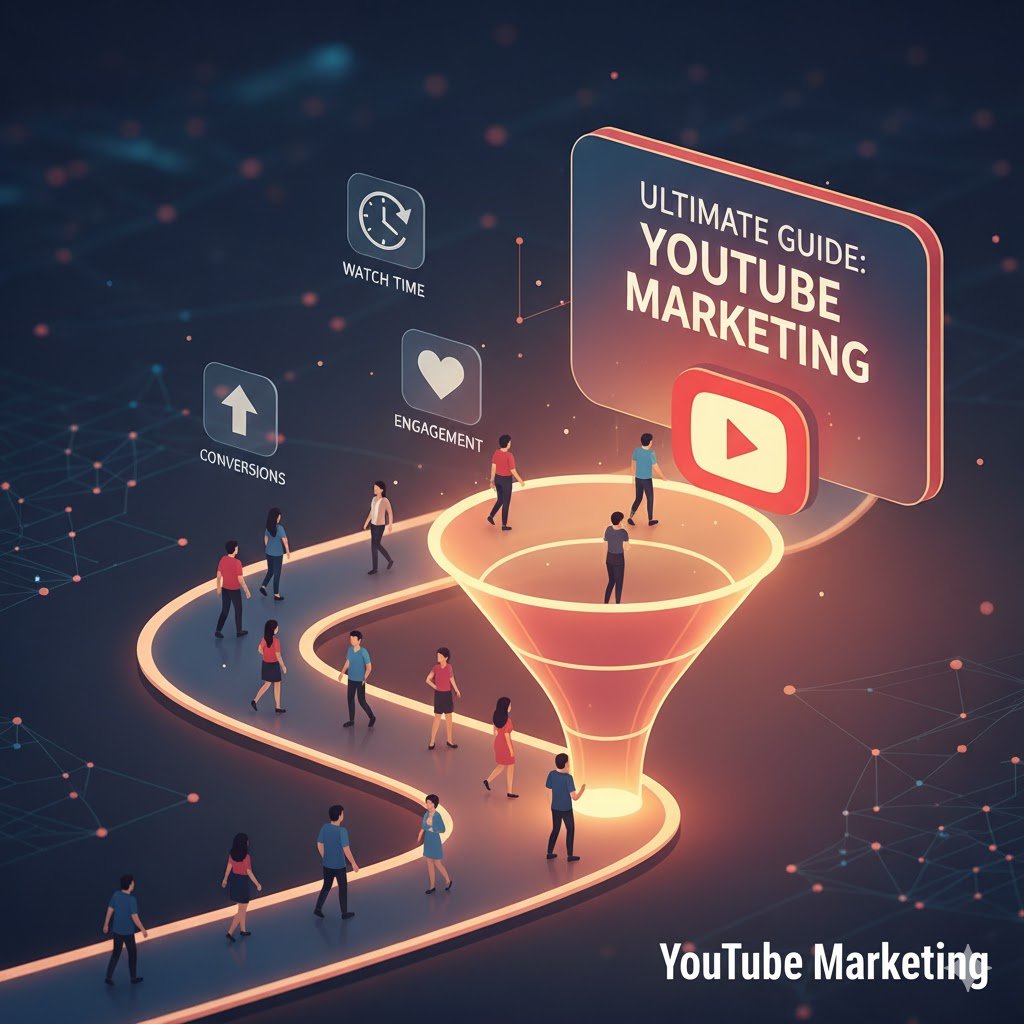
Your success on YouTube depends on understanding three key metrics: watch time, engagement rate, and audience retention. The algorithm favors videos that keep viewers watching longer and prompt actions like commenting, sharing, and subscribing.
Setting Up Your YouTube Channel for Success
Before diving into content creation, you need to establish a solid foundation. Your channel is your brand’s home on YouTube, and first impressions matter.
Start by creating a Google account if you don’t already have one, then set up your YouTube channel. Choose between a personal account or a brand account—the latter allows multiple users to manage the channel.
Your channel’s visual identity is crucial. Design a channel banner (2560 x 1440 pixels) that clearly communicates your brand and value proposition. Upload a recognizable profile picture (800 x 800 pixels), ideally your logo or a professional headshot.
Craft a compelling “About” section that explains who you are, what viewers can expect from your channel, and why they should subscribe. Include relevant keywords naturally to improve discoverability.
Organize your content with playlists. This not only helps viewers navigate your channel but also increases watch time as YouTube automatically plays the next video in the playlist.
Developing Your YouTube Content Strategy
Content is king on YouTube, but strategy is queen. Without a coherent plan, even high-quality videos might fail to gain traction.
Start by defining clear goals for your YouTube marketing efforts. Are you looking to build brand awareness, generate leads, drive website traffic, or increase product sales? Your goals will influence your content approach just like the ultimate guide to YouTube marketing is doing for you now.
Research your target audience thoroughly. What are their pain points, interests, and preferences? What type of content resonates with them? Use YouTube Analytics, social media insights, and competitor analysis to gather this information.
Next, conduct keyword research to identify topics with high search volume and relevance to your audience. Tools like VidIQ, TubeBuddy, and Google Keyword Planner can help you discover potential video ideas.
Based on your research, develop a content calendar that includes a mix of different video types:
- Educational content that addresses common questions and pain points
- Behind-the-scenes looks at your business or process
- Product demonstrations and tutorials
- Customer testimonials and case studies
- Thought leadership pieces that position you as an industry expert
Consistency is vital on YouTube. Establish a realistic publishing schedule that you can maintain over time. Whether it’s weekly, bi-weekly, or monthly, stick to your cadence to build viewer expectations.
Creating High-Quality YouTube Videos
You don’t need expensive equipment to create professional-looking videos, but you do need to meet basic quality standards.
Invest in a decent microphone—audio quality is often more important than video quality. Viewers will tolerate less-than-perfect visuals, but they’ll quickly abandon videos with poor sound.
Ensure your filming location has adequate lighting. Natural light works well, but you may need supplemental lighting for consistency. A simple three-point lighting setup can dramatically improve your video’s appearance.
When filming, pay attention to composition and framing. Use the rule of thirds to create visually appealing shots, and maintain a clean, uncluttered background that won’t distract viewers.
Edit your videos to maintain a brisk pace. Cut out unnecessary content, pauses, and mistakes. Add music, graphics, and text overlays to enhance engagement and reinforce key points. Free tools like DaVinci Resolve or paid options like Adobe Premiere Pro can help you achieve professional results.
Optimizing Videos for YouTube Search
Part of the ultimate guide to YouTube marketing is YouTube SEO, which is essential for discoverability. Each video should be optimized from the moment you upload it.
Create compelling titles that include your target keyword while accurately describing your content. Aim for 60 characters or fewer to prevent truncation in search results.
Write detailed descriptions that provide context about your video. Include your main keyword in the first 1-2 sentences, and add secondary keywords throughout. Use timestamps to help viewers navigate longer videos, and include relevant links to your website or other resources.
Tags remain important despite their reduced visibility. Include a mix of specific and broad tags related to your content. Start with your main keyword, then add variations and related terms.
Custom thumbnails are critical for click-through rates. Design eye-catching thumbnails that stand out in search results and suggested videos. Include text overlays that complement your title and use contrasting colors to improve visibility.
Closed captions and transcripts make your videos accessible to a wider audience and provide additional text for YouTube’s algorithm to index. Upload accurate SRT files rather than relying on YouTube’s auto-generated captions.
Read more: The 4 Best AI Apps For Marketers
Promoting Your YouTube Content
Creating great videos isn’t enough—you need to actively promote them to gain traction.
Share new uploads across all your social media channels. Create platform-specific versions, such as short clips for Instagram or Twitter to drive viewers to the full video on YouTube.
Embed relevant videos in your blog posts and website pages. This increases visibility and provides multimedia content for your visitors.
Collaborate with other creators in your niche. Cross-promotions can introduce your channel to established audiences with similar interests.
Consider leveraging YouTube advertising to boost visibility. Options include:
- Pre-roll ads that play before other videos
- Discovery ads that appear in search results and suggested videos
- Bumper ads—six-second non-skippable spots
- Non-skippable in-stream ads for brand messaging
Target your ads based on demographics, interests, and keywords to reach the most relevant viewers.
Email your subscriber list when you publish important videos. Include a compelling reason to watch and a clear call-to-action.
Engaging With Your YouTube Community
Building an engaged community is essential for sustainable growth on YouTube.
Respond to comments on your videos, especially within the first 24 hours after publishing. This signals to YouTube that your content generates conversation and encourages further engagement.
Ask viewers questions in your videos to prompt comments. Simple prompts like “What’s your experience with this?” or “What would you like to see next?” can dramatically increase comment rates.
Use YouTube Community posts to maintain engagement between video uploads. Share updates, polls, images, and GIFs to keep your audience connected to your channel.
Host live streams periodically to interact with viewers in real-time. Live Q&A sessions, behind-the-scenes looks, or special announcements can strengthen your community and generate buzz.
Create opportunities for user-generated content. Challenges, contests, or feature requests encourage active participation and provide valuable social proof.
Read more: The Ultimate Guide To Instagram Marketing
Analyzing Performance and Iterating
Data-driven optimization is key to long-term success on YouTube.
Use YouTube Analytics to track key metrics:
- Watch time and audience retention
- Traffic sources
- Audience demographics
- Engagement rates (likes, comments, shares)
- Subscriber growth
- Click-through rates from impressions
Pay special attention to audience retention graphs. They reveal exactly when viewers lose interest, helping you identify content issues to address in future videos.
A/B test different approaches to titles, thumbnails, video lengths, and formats. Track performance differences and refine your strategy based on what works best for your specific audience.
Review competitors’ successful videos to identify trends and opportunities. Don’t copy their content directly, but learn from their strengths and weaknesses.
Set up regular content reviews—monthly or quarterly—to assess your progress against goals and adjust your strategy accordingly.
Advanced YouTube Marketing Tactics
Once you’ve mastered the basics in the ultimate guide to YouTube marketing, explore these advanced tactics to accelerate your growth.
Create content series that keep viewers coming back. Consistent formats with episodic content build anticipation and subscriber loyalty.
Optimize for YouTube Shorts. This TikTok-like feature provides another avenue for discovery. Create vertical videos under 60 seconds that showcase your personality or provide quick value.
Explore channel memberships, Super Chat, Super Thanks, and merchandise shelves to monetize your audience directly. These features become available once you meet YouTube’s eligibility requirements.
Leverage YouTube’s “Premieres” feature for important video releases. This creates a scheduled live event around your pre-recorded video, generating excitement and gathering viewers simultaneously.
Repurpose your YouTube content across other platforms. Convert videos into blog posts, podcasts, social media snippets, or downloadable guides to maximize your return on investment.
Read more: How To Utilize Chatgpt For Marketing Strategy
Common YouTube Marketing Pitfalls to Avoid
Many channels struggle due to avoidable mistakes. Don’t fall into these common traps:
Prioritizing production value over content value. Viewers care more about helpful, entertaining information than perfect production.
Inconsistent posting. Sporadic uploads confuse your audience and signal to YouTube that your channel isn’t reliable.
Ignoring analytics. Without data-based decisions, you’re essentially creating content in the dark.
Chasing trends without relevance. Only jump on trends that genuinely align with your brand and audience interests.
Setting unrealistic expectations. YouTube success typically requires months or years of consistent effort—not overnight viral success.
Conclusion
YouTube marketing requires strategic planning, quality content creation, and consistent community engagement. By focusing on viewer value first and optimizing for both humans and algorithms, you can build a powerful YouTube presence that supports your broader marketing goals.
Start small, remain consistent, and continually refine your approach based on performance data. YouTube rewards persistence and authenticity above all else. With dedication and the strategies outlined in this guide, you can transform your channel into a valuable marketing asset that drives real business results.
One of the important things to note in the ultimate guide to YouTube marketing is to remember that YouTube’s landscape evolves constantly. Therefore, stay informed about platform updates, experiment with new features early, and adapt your strategy as needed. Your willingness to evolve with the platform will ultimately determine your long-term success.
Related Contents: