
Written by: Segun Akomolafe
Picture yourself standing in a Oaxacan mercado at dawn, watching an elderly woman grind cacao beans on a centuries-old metate, transforming them into mole negro that requires seven days of preparation and thirty-two ingredients. Or imagine negotiating with fishermen at Merida’s Lucas de Gálvez market, selecting fresh calzone still glistening from Caribbean waters, destined for your afternoon panuchos-making workshop.
A journey through regional food tours in Mexico delivers more than colorful plates—it connects you directly to the mezcaleros who’ve distilled agave for generations, the chocolate makers whose techniques predate the Spanish conquest, and the abuelas who’ll correct your tortilla-pressing technique until you’ve earned their satisfied nod.
This comprehensive guide reveals the most authentic journey through regional food tours in Mexico experiences, from Yucatecan henequen farm cooking classes to Mexico City street food vendors whose family recipes span six generations.
Prepare for an immersive exploration of genuine Mexican gastronomy, where every meal tells stories of ancient civilizations, colonial influences, and culinary guardians who’ve protected their traditions against globalization.
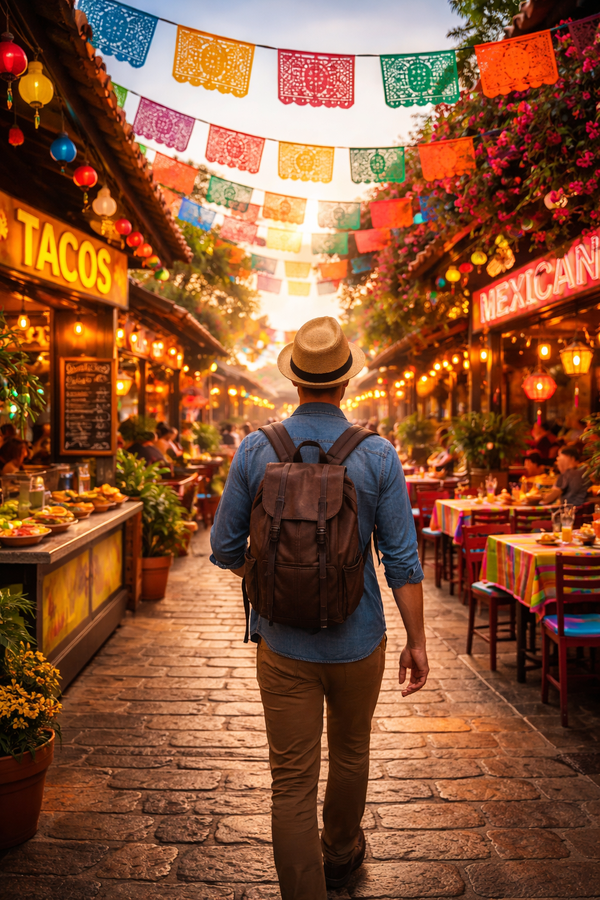
Why Regional Food Tours Transform How You Experience Mexican Cuisine
The distinction between visiting Mexico and truly understanding Mexican food lies in experiencing where ingredients originate. When you participate in a journey through regional food tours in Mexico, you’re not observing from restaurant tables—you’re roasting agave hearts in underground pit ovens with mezcal producers in remote Oaxacan villages, harvesting huitlacoche (corn fungus) from milpas at sunrise, or grinding dried chilhuacles on volcanic stone metates that have shaped mole paste for three centuries.
In Oaxaca, join families who still prepare mole negro using traditional methods that require toasting twenty-eight ingredients separately, then grinding and blending them over seven days to achieve the complex, nearly black sauce that defines Oaxacan cuisine.
Travel to Puebla’s volcanic highlands, where maguey plants grow in mineral-rich soil that influences the flavor profile of pulque—the fermented agave beverage that predates tequila by millennia—and farmers will explain why altitude and terroir affect fermentation as much as they do wine production.
Pro Tip: Book food tours that limit group sizes to six participants or fewer—you’ll gain direct access to producers, ask detailed questions about nixtamalization processes or fermentation timelines, and often receive invitations to family meals that larger commercial groups never experience.
Merida’s morning markets present entirely different education. Vendors selling produce from Yucatan’s limestone-rich soil will let you taste the difference between habaneros grown in coastal versus inland regions, explain why Valladolid’s longaniza commands premium prices, and demonstrate how to select recado spice pastes based on color intensity and aroma complexity.
Read more: How Much Does It Cost to Visit Italy: Real Budget from Rome to Sicily
Unmissable Regional Specialties That Define Authentic Mexican Food Tours
Venture into Oaxaca during October and November for special preparations, when families prepare pan de muerto, hot chocolate spiced with canela, and elaborate mole coloradito using chilhuacle rojo peppers available only during harvest season. These regional chilies, selling for premium prices, get toasted and ground with almonds, raisins, and chocolate into sauces that require constant stirring for eight hours.
Oaxaca: The Land of Seven Moles and Mezcal
In Oaxaca’s Central Valleys, you’ll discover why this region earned its reputation as Mexico’s culinary capital:
Mole Negro: The most complex mole requiring burnt chilhuacles, Mexican chocolate, and hoja santa, simmered until achieving an almost black color and depth that takes decades to master.
Mezcal Production: Visit palenques where maestros mezcaleros roast agave hearts in underground stone pits, crush them using horse-drawn tahonas, and ferment the juice in wooden vats before double-distilling in copper stills.
Quesillo: Oaxacan string cheese stretched and wound into balls, served in tlayudas—giant crispy tortillas that function as edible plates topped with beans, cabbage, and salsa.
Chapulines: Toasted grasshoppers seasoned with garlic, lime, and sal de gusano (worm salt), providing protein-rich snacks at every market stall.
Mexico City requires different gastronomic literacy entirely. At traditional fondas in neighborhoods like Coyoacán, you’ll discover pre-Hispanic ingredients still shaping contemporary cuisine—huitlacoche crepes, escamoles (ant larvae) sautéed with epazote, or chinicuiles (maguey worms) served in salsa verde with fresh tortillas.
The La Merced and Jamaica markets teach you to identify genuine Mexican vanilla versus imitation, recognize different chile varieties by sight and aroma, and understand why Mexicans insist on specific chile types for their moles and salsas.
Read more: How to Plan a Solo Trip: Essential Tips & Safety Strategies
Yucatan Peninsula: Mayan Heritage Meets Caribbean Influence
Yucatecan cuisine operates on principles fundamentally different from central Mexico, incorporating achiote, bitter orange, and habanero into nearly every dish. A journey through regional food tours in Mexico in the Yucatan connects you with families who’ve prepared cochinita pibil—slow-roasted pork marinated in achiote and wrapped in banana leaves—using underground pub ovens for generations.
In Merida’s Lucas de Gálvez market, you’ll taste panuchos and salbutes—fried tortillas topped with turkey, pickled onions, and habanero salsa—that locals eat for breakfast. Visit henequen haciendas where you’ll learn how this agave fiber shaped Yucatan’s economy and still influences regional cooking techniques.
The Caribbean coast offers different specialties entirely. In Tulum and Playa del Carmen, participate in Mayan cooking classes where you’ll grind corn for tortillas using traditional metates, prepare tikin-xic (whole fish marinated in achiote and grilled in banana leaves), and understand how coastal access influenced pre-Hispanic Mayan cuisine differently than inland communities.
Read more: The 5 Best Hiking Boots For Your Next Trip
Puebla and Central Mexico: Where Colonial History Flavors Every Dish
Puebla’s culinary heritage reflects its colonial past uniquely. You’ll visit convents where nuns allegedly invented mole poblano—combining Mexican chilies with European ingredients like almonds, raisins, and spices—creating the chocolate-tinged sauce that defines Pueblan cuisine.
The same day, explore Cholula’s markets to understand why Puebla’s position between coast and highlands made it a spice trade hub, influencing the complexity of regional dishes like chiles en nogada—poblano peppers stuffed with picadillo, covered in walnut cream sauce, and garnished with pomegranate seeds representing Mexico’s flag colors.
In Tlaxcala’s villages, participate in traditional pulque production, visiting tinacals (pulque taverns) where fermentation happens in cowhide vats, and taste variations flavored with pineapple, celery, or oatmeal that never appear in tourist restaurants.
Strategic Planning for Your Regional Mexican Food Tour Experience
Here is a valuable table to help you with strategic planning for your regional Mexican food tour:
| Region | Best Visiting Period | Signature Experience | Approximate Cost Per Day | Key Ingredient Focus |
|---|---|---|---|---|
| Oaxaca | October-November | Mole-making workshops, mezcal palenques | €90-€150 | Seven moles, mezcal, chocolate, chapulines |
| Mexico City | Year-round | Market tours, street food, pre-Hispanic ingredients | €70-€120 | Huitlacoche, nopales, pulque, barbacoa |
| Yucatan Peninsula | November-April | Cochinita pibil preparation, Mayan cooking | €80-€140 | Achiote, habaneros, bitter orange, seafood |
| Puebla | September-October | Mole poblano workshops, chile harvest | €75-€130 | Poblano peppers, mole, cemitas, street antojitos |
| Jalisco | Year-round | Tequila distilleries, birria preparation | €85-€145 | Blue agave, birria, tortas ahogadas |
| Veracruz | March-May | Coastal seafood, vanilla plantations, coffee farms | €70-€125 | Vanilla, seafood, coffee, tropical fruits |
Effective a journey through regional food tours in Mexico requires understanding seasonal rhythms that govern Mexican agricultural life. Day of the Dead preparations happen only in late October through early November; summer rainy season brings disadvantages for certain outdoor cooking experiences; dry season from November through April offers ideal conditions for most regional tours.
Read more: Complete Guide to Solo Travel: Safety Tips, Budget & Best Destinations for Beginners
Maximizing Authenticity: Insider Strategies for Food Tour Selection
Not all experiences marketed as authentic regional food tours deliver genuine immersion. Apply these criteria when evaluating a journey through regional food tours in Mexico options:
- Producer Access Over Restaurant Focus: Tours centered on visiting actual production facilities—mezcal palenques, chocolate workshops, family milpas—provide deeper understanding than multi-restaurant eating itineraries
- Multigenerational Family Operations: Seek experiences with families whose recipes and techniques span generations, not commercial cooking schools designed for mass tourism
- Hands-On Participation Guaranteed: Confirm you’ll actively participate in grinding mole ingredients, pressing tortillas, or harvesting corn rather than merely observing demonstrations
- Indigenous Language Knowledge: The best guides speak indigenous languages like Zapotec or Maya, possess genuine relationships with producers, and can explain technical aspects of nixtamalization or fermentation
- Market-Based Learning: Tours incorporating traditional markets where locals actually shop, not tourist mercados, ensure authentic ingredient sourcing and pricing education
- Seasonal Adaptation: Tours operating year-round but adapting to harvest cycles rather than running identical experiences regardless of season demonstrate authentic agricultural connections
Book directly through local cooperatives, indigenous community tourism programs, or culinary schools with established producer relationships rather than international tour aggregators who contract with tourist-focused facilities.
Understanding Denomination of Origin Protections
Mexico’s Denominación de Origen certifications legally protect regional products like tequila, mezcal, and Talavera pottery, ensuring production methods meet traditional standards.
When touring Tequila’s agave fields in Jalisco, you’ll learn that authentic tequila must contain minimum 51% blue agave (premium brands use 100%), be produced within specific municipalities, and follow regulated fermentation and distillation processes.
These regulations ensure a journey through regional food tours in Mexico you’re experiencing represents genuine tradition rather than industrial approximation. Ask producers to explain their certification processes—passionate artisans enthusiastically detail requirements they meet to earn protected status.
Frequently Asked Questions
Here are the answers to the most popular and frequently asked questions on a journey through regional food tours in Mexico;
What distinguishes authentic regional food tours from standard culinary tourism in Mexico?
Authentic experiences involve direct producer interaction at working palenques, chocolate workshops, and family milpas where you participate in production processes, learn ancient techniques, and taste ingredients at their source rather than consuming pre-prepared dishes in tourist-oriented restaurants disconnected from agricultural reality.
How far in advance should travelers book specialized food tours in Mexico?
Reserve Day of the Dead experiences and small-group producer visits three to four months ahead. Dry season bookings (November-April) require six to eight weeks advance notice, while summer shoulder season sometimes accommodates last-minute arrangements within two to three weeks.
Can dietary restrictions be accommodated on traditional Mexican regional food tours?
Vegetarian adaptations work well since many regional specialties naturally use beans, corn, and vegetables; vegan requirements prove more challenging in lard-dependent regions. Gluten-free participants benefit from Mexico’s corn-based cuisine, though cross-contamination requires careful communication. Always discuss restrictions when booking.
What language skills are necessary for participating in regional Mexican food tours?
English-speaking guides serve most established tours, though direct producer interactions may require Spanish comprehension. Basic food-related Spanish vocabulary significantly enriches experiences, allowing you to ask technical questions about fermentation, nixtamalization, and traditional versus modern production methods.
How much should travelers budget beyond the base tour cost for regional food experiences?
Allocate additional 40-60% of tour costs for purchasing artisanal products directly from producers, tipping guides appropriately (200-400 pesos per person for full-day experiences), and spontaneous tastings at markets or specialty shops encountered during tours.
Conclusion: Transforming Travel Through Authentic Culinary Connection
A journey through regional food tours in Mexico fundamentally differs from conventional tourism by replacing superficial sampling with genuine understanding.
When you’ve ground mole ingredients beside Oaxacan grandmothers who’ve perfected their recipes across sixty years, watched mezcal distillation in remote mountain palenques where families use techniques unchanged for centuries, or pressed tortillas with Maya women whose nixtamalization knowledge represents millennia of agricultural wisdom, you’ve moved beyond eating into cultural preservation participation.
Mexico’s regional cuisines exist because indigenous communities and mestizo families refused to abandon ancestral methods despite globalization pressures. The seven-day mole negro preparation, the underground pib oven cooking that requires specific wood types, the hand-ground chocolate made on volcanic stone metates—these aren’t museum pieces but living practices connecting contemporary Mexicans to their culinary heritage.
The knowledge gained through regional food tours extends far beyond vacation memories. You’ll return home able to identify authentic Mexican products, understand why specific ingredients cost what they do, and appreciate that great cuisine emerges from terroir, climate specificity, and human dedication to craft rather than recipe replication alone.
Related Contents:
- How Much Does It Cost to Visit Italy: Real Budget from Rome to Sicily
- How Much Does it Cost to Travel to Japan: Complete Budget Breakdown
- How to Plan a Solo Trip: Essential Tips & Safety Strategies
- Complete Guide to Solo Travel: Safety Tips, Budget & Best Destinations for Beginners
- Complete Guide to Hiking the Dolomites: Trails, Costs & Packing List for Beginners
- Tasting Italy: A Journey Through Regional Food Tours
- The 5 Best Travel Gears You Should Consider Today
- The 5 Best Hiking Boots For Your Next Trip
- The 5 Best Rain Jackets For Men and Women
- The 5 Best Travel Backpacks You Should Consider Today