
Written by: Segun Akomolafe
If you’ve been scrolling through social media watching creators talk about passive income, there’s a good chance affiliate marketing came up. And honestly? It should. Figuring out how to start affiliate marketing is one of the smartest moves you can make as a content creator trying to turn an audience into a real income stream.
But here’s the thing most people don’t tell you, building your audience and monetizing it aren’t two separate phases. They can happen at the same time, and when done right, each one accelerates the other. This guide walks you through exactly how to do that, step by step, without burning out or coming across as just another person pushing products.
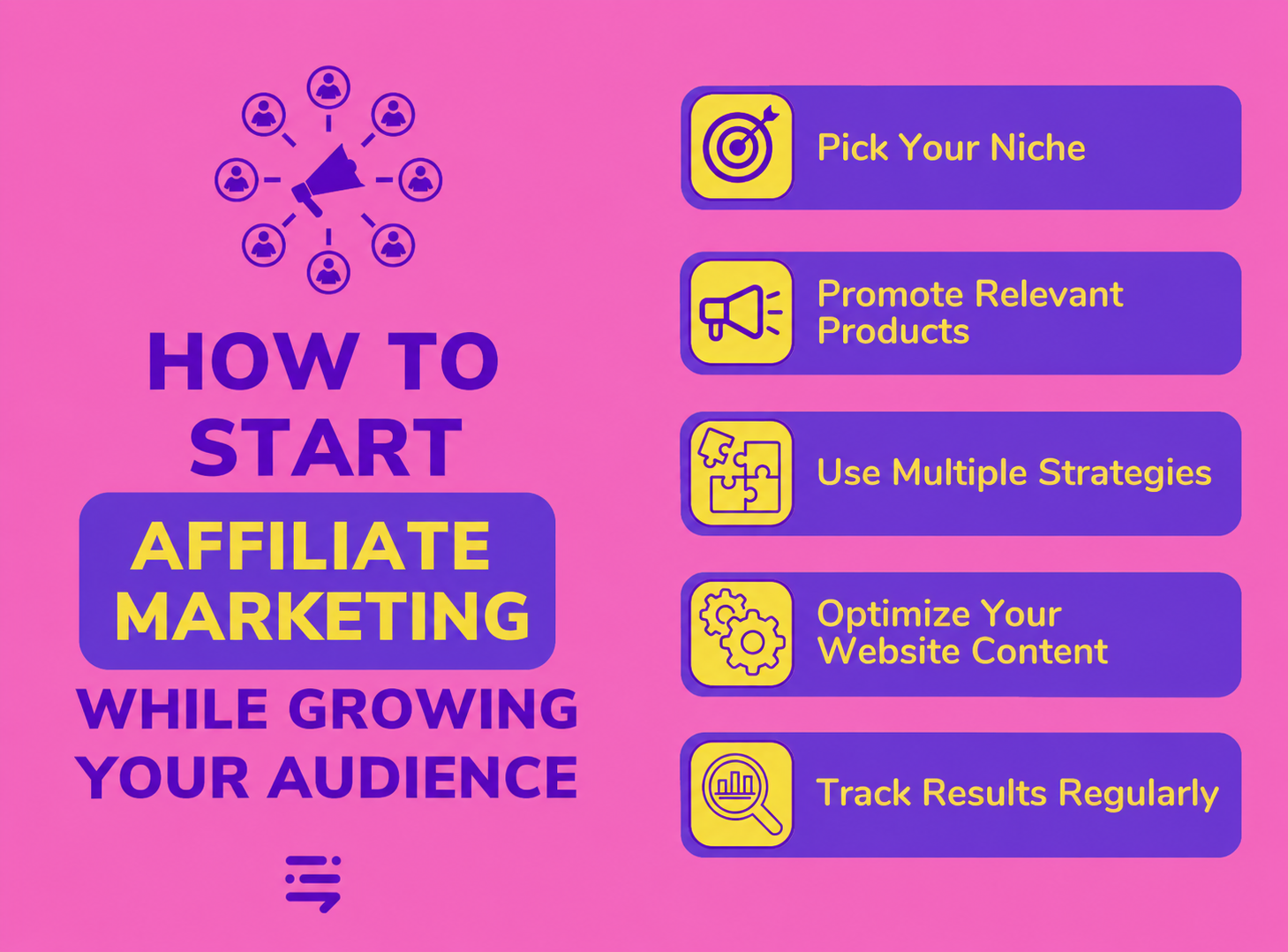
What Is Affiliate Marketing and Why Does It Work?
Before diving into tactics, let’s make sure we’re on the same page. Affiliate marketing is a performance-based income model where you promote someone else’s product and earn a commission each time someone buys through your unique link. No inventory. No customer service. No shipping headaches.
It works because it aligns everyone’s interests. The brand gets sales, you get paid, and your audience gets a recommendation from someone they actually trust. That trust factor is exactly why knowing how to start affiliate marketing as a content creator gives you a good edge over random ads or cold outreach.
According to recent industry data, the global affiliate marketing space is actually worth over $17 billion and growing fast. More brands are shifting their budgets toward creator-driven promotion because it converts better than traditional advertising. That’s good news for you.
Read More: Influencer Marketing You Need To Know
How to Start Affiliate Marketing: The Foundation You Need
Most people just go straight into signing up for programs without laying the right groundwork, and that’s why so many of them struggle. If you want to understand how to start affiliate marketing the right way, begin with these fundamentals:
- Choose a niche you genuinely know and care about. This includes fitness, finance, tech, health, home decor, cooking, and whatever you’re already talking about
- Pick your primary content platform. It can be a blog, YouTube channel, newsletter, Instagram, or TikTok page
- Build even a small but engaged audience before monetizing (500 engaged followers beats 50,000 passive ones)
- Research your niche’s affiliate programs before creating content so you know what products to weave in naturally
- Set up a way to capture emails early. Your email list will become your most reliable traffic source
- Be consistent with content for at least 60 days before expecting affiliate income to roll in
That last point matters more than most beginners realize. Affiliate income is a lagging indicator. You plant seeds today, and they grow over weeks and months, not overnight.
Affiliate Marketing Platforms Compared
|
Platform |
Best Content Format |
Audience Growth Speed |
Affiliate Earning Potential |
|---|---|---|---|
|
Blog / Website |
Long-form articles, reviews |
Slow (SEO-driven) |
High (passive, compound) |
|
YouTube |
Tutorial, review videos |
Medium |
High (links in description) |
|
Instagram / TikTok |
Short-form video, stories |
Fast |
Medium (link-in-bio) |
|
Email Newsletter |
Curated recommendations |
Slow to build |
Very High (direct conversions) |
Growing Your Audience and Monetizing It at the Same Time
Here’s where things get interesting. A lot of creators think they need to reach some magic audience size before they can start earning from affiliate links. That’s a myth. You can learn how to start affiliate marketing and grow your audience simultaneously, and it’s actually more sustainable that way.
The secret is to create content that serves your audience first and promotes products second. Think: ‘What problem does my audience have today, and what tool or product genuinely helps them solve it?’ When you frame affiliate promotions as solutions rather than ads, your audience doesn’t feel sold to. They feel helped.
For instance, if you run a fitness channel, a review of a foam roller or a protein powder your audience asks about its content and a promotional vehicle at the same time. Your audience grows because the content is useful. Your affiliate income grows because the content is specific and purchase-intent driven.
Read More: What is Digital Marketing?
Best Affiliate Programs to Join When You’re Just Starting Out
Not all affiliate programs are equal. Some pay better, some convert better and some fit certain niches better than others. When you’re figuring out how to start affiliate marketing, start with programs that are beginner-friendly, have solid reputations, and match your audience’s actual needs.
Top Affiliate Programs for Beginners
|
Program |
Commission Rate |
Cookie Duration |
Best Niche Fit |
|---|---|---|---|
|
Amazon Associates |
1–10% |
24 hours |
Almost any niche |
|
ShareASale |
Varies by merchant |
30–90 days |
Retail, fashion, home |
|
ClickBank |
Up to 75% |
60 days |
Digital products, health |
|
Impact / CJ Affiliate |
Varies widely |
7–30 days |
SaaS, finance, lifestyle |
|
ConvertKit (Kit) |
30% recurring |
Lifetime |
Creators, bloggers |
Recurring commission programs, like ConvertKit or most SaaS tools, are worth prioritizing early on. A single referral that sticks means monthly income without additional effort. That’s the kind of compounding you want to build into your affiliate strategy from day one.
Read More: Affiliate Marketing For Beginners Explained: How It Works Step by Step
Content Strategies That Drive Affiliate Clicks Naturally
Content is still king in affiliate marketing, and the creators who earn the most from it are the ones who lead with genuine value. Here are the content formats that consistently convert best when you know how to start affiliate marketing properly:
- Product reviews and honest comparisons — your real experience builds trust better than any ad
- ‘Best of’ roundup posts — ‘Best Cameras Under $500’ attracts buyers who are already close to a decision
- Tutorial or how-to content — naturally embed a product recommendation mid-tutorial when it adds value
- Problem/solution content — identify a pain your audience has, then recommend a product that solves it
- Personal story posts — sharing how a tool or product changed your workflow feels authentic, not salesy
- Email sequences — a well-crafted welcome sequence can include soft affiliate recommendations that convert for months
Whatever format you choose, make sure your affiliate disclosures are clear. Not only is it legally required under FTC guidelines, but it also builds credibility. Most audiences actually respect the transparency. It makes your recommendations feel more honest, not less.
Read More: The 4 Best AI Apps For Marketers
How Much Can You Realistically Earn?
Let’s be straight here. If you’re just figuring out how to start affiliate marketing, you’re probably not going to replace your salary in month one. Results depend on your niche, your content quality, your traffic, and the programs you choose. But the income potential is very real once your content library grows.
Realistic Affiliate Income Expectations by Stage
|
Stage |
Timeframe |
Monthly Traffic |
Estimated Monthly Income |
|---|---|---|---|
|
Beginner |
0–3 months |
0–1,000 visits |
$0 – $100 |
|
Growing |
3–9 months |
1,000–10,000 visits |
$100 – $500 |
|
Intermediate |
9–18 months |
10,000–50,000 visits |
$500 – $3,000 |
|
Advanced |
18+ months |
50,000+ visits |
$3,000 – $20,000+ |
These are rough estimates and they vary wildly by niche. A software review blog with 10,000 monthly visitors in the SaaS niche can easily out-earn a general lifestyle blog with 100,000 visitors. Niche specificity and buyer intent matter just as much as raw traffic.
Read More: How to Measure Digital Marketing Success: Essential Metrics and Analytics Guide
Honest Pros and Cons of Affiliate Marketing
Affiliate marketing is a strategy for business growth and it surely has its benefits and drawbacks as listed below.
Why It’s Worth It
- Low barrier to entry — you don’t need a product, inventory, or big upfront investment
- Passive income potential — content you publish today can earn for years
- Scales with your audience — the bigger you grow, the more you can earn without proportionally more work
- Flexibility — you choose your niche, your products, your schedule
What You’ll Need to Navigate
- Takes time — most affiliates don’t see meaningful income until 6–12 months of consistent effort
- Algorithm dependency — a Google update or platform change can cut your traffic overnight
- Commission rate cuts — Amazon has slashed rates before; diversify across programs
- Content saturation — popular niches are competitive; standing out requires a clear point of view
Knowing both sides sets realistic expectations. Affiliate marketing isn’t passive from day one — it’s consistent work upfront that becomes more passive over time. But for creators who are already building an audience, it’s one of the most natural income streams you can add.
Frequently Asked Questions (FAQs)
Here are some of the most common questions business professionals ask about how to start affiliate marketing while growing their audience
1. Do you need a large audience to know how to start affiliate marketing successfully?
Not at all. Even 500 highly engaged followers in a specific niche can generate consistent affiliate income. Engagement and trust matter more than follower count when recommending products. You’ll be able to target specific long-tail keywords, bringing in valuable search traffic and increasing your overall affiliate conversion rates by optimizing your content for targeted search queries and building niche authority to basically attract high-intent buyers.
2. How long does it take to earn money once you’ve figured out how to start affiliate marketing?
Most beginners see their first commissions within two to three months. Meaningful recurring income typically builds after six to twelve months of consistent content publishing and audience engagement. This is very useful when you focus your strategy on targeting low-competition keywords and writing content designed around high-value buyer-intent search queries.
3. Can you do affiliate marketing without a website?
Yes, absolutely. YouTube, TikTok, Instagram, and email newsletters all support affiliate links. Using these dynamic social media platforms gives you a good chance to target high-converting audiences and generate immediate sales without even having a website. A website adds long-term SEO value and helps build lasting digital authority, brand trust, passive traffic, and sustainable revenue but isn’t required to start earning as an affiliate.
Conclusion
Understanding how to start affiliate marketing while growing your audience isn’t about picking between the two — it’s about realizing they belong together. When you create genuinely useful content, recommend products you actually believe in, and stay consistent, you build something that compounds over time.
You don’t need a huge following. You don’t need a fancy website. You just need a niche, a platform, and a commitment to showing up for your audience. Start small, stay honest, and let your content do the heavy lifting. The commissions will follow.
Pick one affiliate program today. Write one piece of helpful content around it. That’s how every successful affiliate marketer started — one step at a time.
Related Contents:
- Influencer Marketing You Need To Know
- Affiliate Marketing For Beginners Explained: How It Works Step by Step
- The Ultimate Guide to Growing Your Online Business
- The Ultimate Guide to YouTube Marketing
- The 4 Best AI Apps For Marketers
- How to Measure Influencer Marketing ROI
- What is Digital Marketing?
- How to Measure Digital Marketing Success: Essential Metrics and Analytics Guide
- Micro-Influencers vs. Mega-Influencers: Which Delivers Better ROI?
- How to Grow Your Audience With Affiliate Marketing