
Written by: Segun Akomolafe
Are you investing in influencer marketing but struggling to determine how to measure your influencer marketing ROI? You’re not alone! Many brand owners face this challenge daily.
Understanding how to measure influencer marketing ROI is crucial for every business owner who wants to maximize their marketing budget and make informed decisions about future campaigns.
In this comprehensive guide, we’ll explore proven methods and practical strategies that’ll help you accurately calculate your influencer marketing returns. We’ll also share tools and metrics you need to track for successful campaigns.
Let’s get started.
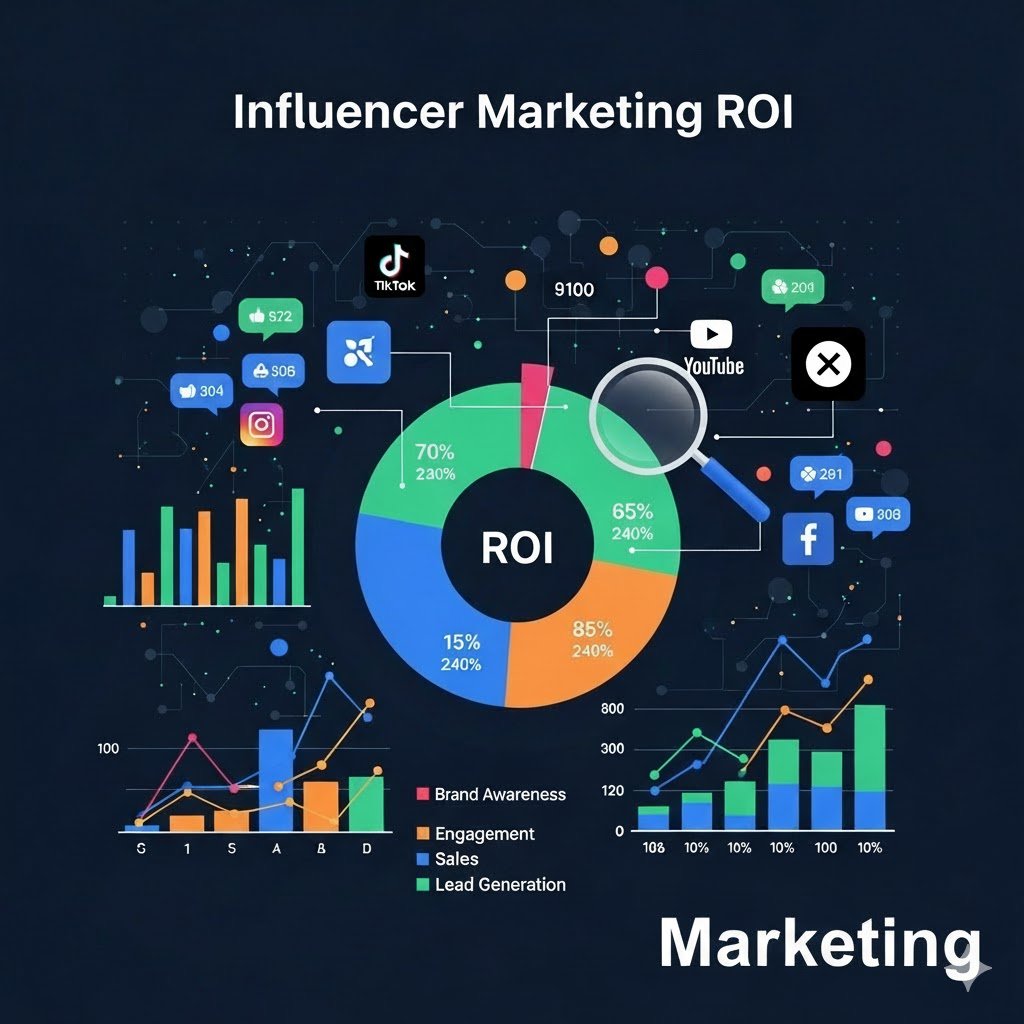
What is Influencer Marketing ROI?
ROI stands for Return on Investment. In simple terms, influencer marketing ROI is the measure of profits you gain from your influencer campaigns compared to the amount you spent on them.
For example, if you spent $5,000 on an influencer campaign and generated $15,000 in sales, you need to know how to measure influencer marketing ROI to determine if that campaign was successful.
The basic formula is straightforward: subtract your investment from the revenue generated, divide by the investment, and multiply by 100 to get a percentage. However, there’s more to it than just this simple calculation.
Read more: Micro-Influencers vs. Mega-Influencers: Which Delivers Better ROI?
Why You Need to Measure Influencer Marketing ROI
Before we analyze the measurement methods, let’s understand why this matters:
Budget Optimization: Knowing which campaigns generate the best returns helps you allocate your marketing budget more effectively. You’ll stop wasting money on strategies that don’t work.
Campaign Improvement: When you track your ROI, you identify what works and what doesn’t. This knowledge allows you to refine your approach for better results.
Strategic Planning: ROI data guides your future influencer partnerships. You’ll know which influencers deliver value and which ones don’t match your brand goals.
Read more: Influencer Marketing You Need to Know
Key Metrics to Track
To properly measure influencer marketing ROI, you must track several important metrics:
Engagement Rate: This includes likes, comments, shares, and saves on influencer posts. High engagement indicates that the audience is interested in your product.
Click-Through Rate (CTR): This shows how many people clicked on your affiliate links or promotional links from the influencer’s content.
Conversion Rate: This metric reveals how many clicks actually resulted in purchases or desired actions.
Brand Mentions: Track how often people mention your brand after the influencer campaign launches.
Follower Growth: Monitor the increase in your social media followers during and after the campaign.
Website Traffic: Use tools like Google Analytics to measure traffic spikes from influencer referrals.
Compare Against Benchmarks: Use industry benchmarks to determine if your ROI is above or below average.
Read more: How to Utilize ChatGPT for Marketing Strategy
Proven Methods for Measuring Influencer Marketing ROI
Here are some of the 5 basic methods for measuring influencer marketing return on investments (ROI);
1. Set Up Tracking Links
The foundation of learning how to measure influencer marketing ROI starts with proper tracking. Give each influencer unique tracking links or discount codes.
For example, if you’re working with three different influencers, create codes like “SARAH20”, “MIKE15”, and “LISA25”. This way, you’ll know exactly which influencer drives the most sales.
Use UTM parameters in your links to track traffic sources in Google Analytics. This gives you detailed insights into user behavior after they click the influencer’s link.
2. Calculate Your Campaign Costs
To measure ROI accurately, you need to know your total investment. Include these expenses:
- Payment to influencers (per post or campaign)
- Product samples or gifts sent to influencers
- Campaign management tools and software
- Content creation costs (if applicable)
- Agency fees (if you used a marketing agency)
3. Track Revenue Generated
Monitor all sales that resulted from the influencer campaign. Use your tracking codes and affiliate links to attribute sales correctly. You can also track revenue generated manually but it is usually better to use an automated tool because it saves time and it gives a more accurate ROI result.
Don’t forget to track indirect revenue too. Some customers may not purchase immediately but buy later after seeing the influencer’s content multiple times.
Read more: The Ultimate Guide to Instagram Marketing
4. Use Analytics Tools
Several tools can help you measure campaign performance:
Google Analytics: Tracks website traffic, conversions, and user behavior from influencer links.
Social Media Insights: Platforms like Instagram and TikTok provide detailed analytics on post performance.
Influencer Marketing Platforms: Tools like AspireIQ and Upfluence offer comprehensive tracking features.
Affiliate Tracking Software: Solutions like Impact or ShareASale monitor affiliate sales and commissions.
The ROI Calculation Formula
Here’s the standard formula for calculating influencer marketing ROI:
Return On Investments (ROI) = [(Revenue Generated – Campaign Cost) / Campaign Cost] × 100
Let’s use a practical example. You paid an influencer $2,000 for a campaign and spent $500 on product samples. Your total investment is $2,500. The campaign generated $8,000 in sales.
ROI = [($8,000 – $2,500) / $2,500] × 100 = 220%
This means you earned $2.20 for every dollar spent on the campaign.
Understanding Different ROI Metrics
Here’s a comprehensive and detailed table that will help you understand different ROI metrics:
| Metric Type | What It Measures | How to Calculate |
|---|---|---|
| Financial ROI | Direct monetary returns | (Revenue – Cost) / Cost × 100 |
| Engagement ROI | Audience interaction value | Total Engagements / Total Followers × 100 |
| Brand Awareness ROI | Reach and impressions | (Total Reach / Investment) × Average Value |
| Traffic ROI | Website visits generated | (New Visitors / Campaign Cost) × Conversion Value |
Beyond Monetary Returns
While financial returns are important, how to measure influencer marketing ROI goes beyond just dollars and cents. Consider these qualitative benefits:
Brand Credibility: Influencer partnerships can boost your brand’s reputation and trustworthiness in your industry.
Content Creation: High-quality content from influencers can be repurposed for your own marketing channels, adding long-term value.
Market Insights: Influencer marketing feedback and audience responses provide valuable insights about your target market.
Customer Relationships: Influencer campaigns can help build stronger connections with your target audience.
Read more: The Ultimate Guide to Growing Your Online Business
Common Mistakes to Avoid
When measuring ROI, It is important that you try to avoid these common pitfalls:
Focusing Only on Vanity Metrics: High follower counts don’t always translate to sales. Focus on engagement and conversion rates instead.
Ignoring Attribution Windows: Some customers need time to make purchase decisions. Track conversions for at least 30 days after the campaign.
Not Setting Clear Goals: Define what success looks like before launching your campaign. Is it sales, brand awareness, or lead generation?
Overlooking Customer Lifetime Value: A customer acquired through influencer marketing might make multiple purchases over time. Factor this into your calculations.
Tips for Improving Your Influencer Marketing ROI
Once you know how to measure influencer marketing ROI, focus on improving it:
Choose the Right Influencers: Work with influencers whose audience matches your target market. Micro-influencers often deliver better ROI than macro-influencers.
Create Clear Campaign Briefs: Give influencers detailed guidelines while allowing creative freedom. This ensures content aligns with your brand goals.
Test Different Approaches: Experiment with various campaign types, content formats, and influencer tiers to find what works best.
Build Long-Term Partnerships: Ongoing relationships with influencers often perform better than one-off campaigns.
Monitor Competitor Campaigns: Study successful campaigns in your industry to identify winning strategies.
Read more: The Ultimate Guide to YouTube Marketing
Tools for ROI Measurement
Invest in these tools for accurate tracking;
Bitly: Creates trackable short links and provides click analytics.
Hootsuite: Monitors social media mentions and engagement across platforms.
Shopify Analytics: Tracks e-commerce sales from specific discount codes.
BuzzSumo: Analyzes content performance and influencer impact.
Conclusion
Learning how to measure influencer marketing ROI is essential for maximizing your marketing investments and achieving business growth. By tracking the right metrics, using proper tools, and calculating both monetary and non-monetary returns, you’ll make smarter decisions about your influencer partnerships.
Remember that ROI measurement is an ongoing process. Regular monitoring and analysis will help you refine your strategies and achieve better results with each campaign. Start implementing these measurement techniques today, and watch your influencer marketing efforts transform from uncertain investments into predictable profit generators.
The key is to be patient, stay consistent with your tracking, and always focus on what truly matters for your business goals. With the right approach, influencer marketing can become one of your most profitable marketing channels.
Frequently Asked Questions (FAQs) on How to Measure Influencer Marketing ROI
Here are some of the most frequently asked questions on how to measure influencer marketing ROI and their optimized answers.
1. What is a good ROI for influencer marketing?
A good influencer marketing ROI typically ranges from 500% to 600%, meaning you earn $5-$6 for every dollar spent. However, this varies by industry and campaign goals. E-commerce brands often see higher returns (300-500%), while B2B companies may see lower percentages but higher customer lifetime values.
2. How long should I track ROI after an influencer campaign?
Track your ROI for at least 30-60 days after the campaign ends. Many customers don’t purchase immediately—they need time to research and consider. Set up a tracking window that captures:
- Immediate conversions for the first 7 days
- Short-term impact for around 8-30 days
- Long-term effects for basically 31-60 days
3. Should I measure ROI differently for brand awareness campaigns versus sales campaigns?
Yes, absolutely. Sales campaigns focus on direct revenue and conversion rates. Brand awareness campaigns measure:
- Impressions and reach
- Engagement rates
- Brand mention increases
- Follower growth
- Website traffic spikes
Assign monetary values to brand awareness metrics. For example, calculate cost per impression (total spend ÷ impressions) or cost per new follower. This helps compare awareness campaigns to sales-focused ones.
4. What’s the difference between ROI and ROAS in influencer marketing?
ROI (Return on Investment) measures total profit: [(Revenue – Cost) / Cost] × 100
ROAS (Return on Ad Spend) measures revenue generated: Revenue / Cost
Example: You spend $1,000 and generate $5,000 in sales.
- ROAS = 5:1 (or 500%)
- ROI = 400% (because you subtract the initial investment)
Take note that ROAS is simpler for quick assessments, while ROI shows actual profitability.
5. How do I measure influencer marketing ROI when working with multiple influencers simultaneously?
Use these strategies:
Unique tracking codes: Give each influencer a distinct discount code (SARAH20, MIKE15) to attribute sales accurately.
Separate UTM parameters: Create custom links for each influencer to track their traffic in Google Analytics.
Individual campaign hashtags: Assign unique hashtags to monitor engagement per influencer.
Calculate individual ROI for each influencer, then combine results for total campaign ROI. This reveals which influencers deliver the best returns for future partnerships.
Related Contents:
- Micro-Influencers vs. Mega-Influencers: Which Delivers Better ROI?
- Influencer Marketing You Need to Know
- How to Utilize ChatGPT for Marketing Strategy
- The Ultimate Guide to Instagram Marketing
- The Ultimate Guide to Growing Your Online Business
- The Ultimate Guide to YouTube Marketing
- The 4 Best AI Apps For Marketers