
Written by: Segun Akomolafe
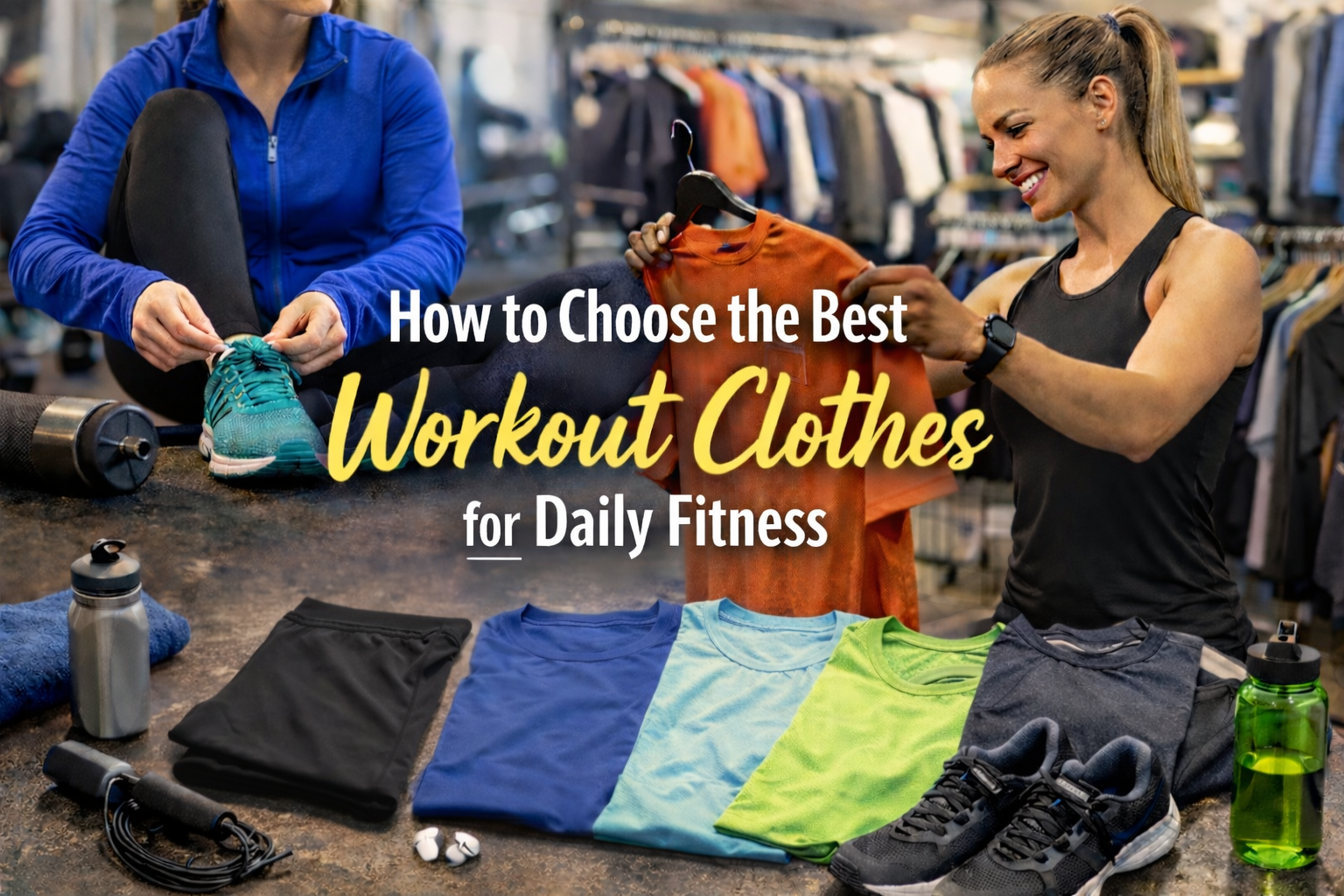
Whether you are hitting the gym for strength training, going for a morning run, or attending your favorite yoga class, the right workout attire makes a significant difference in your performance and comfort. The best workout clothes for daily fitness aren’t just about looking good—they are engineered to support your body, regulate temperature, and enhance your overall exercise experience.
Choosing workout clothes might seem straightforward, but the options can be overwhelming. From moisture-wicking fabrics to compression technology, four-way stretch to antimicrobial treatments, modern athletic wear incorporates sophisticated features designed to optimize your fitness routine. Studies published in the Journal of Sports Sciences have shown that appropriate athletic clothing can improve workout efficiency by up to 15% through better temperature regulation and reduced friction.
The reality is that poorly chosen workout attire can lead to chafing, overheating, restricted movement, and even injuries. When your clothes don’t support your fitness activities, you are more likely to cut workouts short or skip them altogether. In this comprehensive guide, we will explore everything you need to know about selecting the best workout clothes for daily fitness, from fabric technology to fit considerations and activity-specific requirements.
Why Workout Clothes Matter for Your Fitness Success
Your choice of workout attire directly affects three critical aspects of fitness: performance, comfort, and motivation. When you invest in the best workout clothes for daily fitness, you are not just purchasing apparel—you are equipping yourself with tools that support consistent exercise habits.
First, proper workout clothes enhance physical performance through strategic design features. Compression garments improve blood circulation, reducing muscle fatigue during intense exercise. Moisture-wicking fabrics keep your body temperature regulated, preventing overheating that can compromise endurance. Strategically placed ventilation panels increase airflow where you need it most, while four-way stretch fabrics enable unrestricted movement for complex exercises.
Second, comfort directly influences workout consistency. When clothes fit properly and feel good against your skin, you are more likely to look forward to your exercise routine. Uncomfortable workout attire—whether too tight, too loose, or made from irritating fabrics—creates mental resistance to working out. Quality athletic wear eliminates distractions like chafing, excessive sweating, and constant adjustments, allowing you to focus entirely on your fitness goals.
Third, the psychological impact of workout clothes shouldn’t be underestimated. Research in Social Psychological and Personality Science demonstrates that wearing appropriate athletic attire can boost confidence and exercise performance through a concept called enclothed cognition. When you dress for success in fitness, you are more likely to push harder and stay committed to your routine.
Read more: How to Build a Sustainable Workout Routine
Essential Fabric Technologies in Modern Workout Clothes
A good knowledge of fabric technology is fundamental to choosing the best workout clothes for daily fitness. Modern athletic wear incorporates sophisticated materials engineered for specific performance benefits. Here’s what you need to know about the most important fabric innovations:
| Fabric Technology | Best For | Pros | Cons |
|---|---|---|---|
| Moisture-wicking polyester | High-intensity cardio, running | Dries quickly, durable, affordable | Can retain odors, less eco-friendly |
| Merino wool blends | Cold weather training, hiking | Natural odor resistance, temperature regulation | Expensive, slower drying time |
| Nylon/spandex blends | Yoga, Pilates, stretching | Excellent stretch, shape retention, soft | Less breathable, may pill over time |
| Bamboo fabrics | Light yoga, casual workouts | Sustainable, antibacterial, silky feel | Less durable, limited stretch |
Moisture-wicking fabrics work through capillary action, pulling sweat away from your skin to the outer surface where it evaporates quickly. This process keeps you dry and prevents the clammy feeling that cotton creates when saturated. For intense workouts, look for fabrics labeled as technical or performance materials.
Compression technology deserves special mention. Graduated compression garments apply controlled pressure to muscles, potentially reducing vibration during high-impact activities and supporting faster recovery. While research on performance benefits is mixed, many athletes report feeling more supported and experiencing less muscle soreness when wearing compression apparel.
Read more: How to Build Functional Fitness for Everyday Life
Key Features to Look for in Workout Apparel
Beyond fabric choice, specific design features distinguish the best workout clothes for daily fitness from ordinary athletic wear. These features directly impact functionality, durability, and your overall workout experience.
Fit and Comfort Considerations
Proper fit is non-negotiable for workout clothes. Too tight, and you restrict blood flow and movement; too loose, and fabric bunches awkwardly or catches on equipment. The ideal fit allows complete range of motion while staying in place during dynamic movements.
For tops, seams should sit flat against your skin without digging in. Raglan sleeves offer better shoulder mobility than set-in sleeves for exercises involving overhead movements. Women’s sport clothes deserve particular attention—proper support level depends on activity intensity and cloth size. High-impact activities require maximum support with encapsulation or compression designs.
Bottom wear should feature flat-lock seams to prevent chafing. For leggings and tights, opacity during squats is crucial—perform a squat test in bright light to ensure adequate coverage. A wide, high-rise waistband provides better support and stays in place during exercises. Avoid elastic waistbands that create muffin-top effects or roll down during workouts.
Footwear deserves equal consideration. Running shoes differ significantly from cross-training shoes or weightlifting shoes. Match shoe design to your primary activity—running shoes offer cushioning and forward motion support, while weightlifting shoes provide stable platforms with minimal compression. Cross-training shoes balance various movement patterns for versatile workouts.
Temperature Regulation Features
Your body generates significant heat during exercise, making temperature management essential. Strategic ventilation panels placed in high-heat zones like underarms, back, and chest improve airflow without compromising coverage. Mesh inserts enhance breathability while maintaining the garment’s structural integrity.
For cold weather training, layering becomes critical. Base layers should wick moisture, mid-layers provide insulation, and outer layers protect from wind and precipitation. Avoid cotton at all costs in cold conditions—wet cotton pulls heat away from your body, increasing hypothermia risk. Merino wool or synthetic base layers maintain warmth even when damp.
Hot weather requires maximum ventilation and sun protection. Light-colored fabrics reflect heat, while dark colors absorb it. UPF-rated fabrics protect skin from harmful UV rays during outdoor activities. Some advanced fabrics incorporate cooling technologies that feel refreshing against skin during sweaty workouts.
Read more: 8 Best Workouts to Keep You Healthy
Activity-Specific Clothing Recommendations
Different fitness activities place unique demands on workout apparel. The best workout clothes for daily fitness adapt to your specific exercise routine. Here’s a detailed breakdown of activity-specific requirements:
| Activity Type | Essential Features | Avoid |
|---|---|---|
| Running | Reflective details, chafe-free seams, secure pockets, lightweight moisture-wicking fabrics | Cotton, heavy fabrics, loose items that bounce |
| Strength Training | Flexible fabrics, fitted but not restrictive, grip-enhancing features, durable construction | Overly loose clothing, delicate fabrics, slippery materials |
| Yoga/Pilates | Four-way stretch, non-slip waistband, opacity during bends, flat seams, breathable fabrics | Restrictive fits, thin/sheer materials, noisy fabrics, excess zippers |
| Cycling | Padded shorts, aerodynamic fit, reflective elements, longer back hem, seamless chamois | Baggy clothing, underwear under cycling shorts, non-breathable fabrics |
| Swimming | Chlorine-resistant fabric, compression fit, hydrodynamic design, UV protection | Regular athletic wear, cotton swimwear, loose-fitting suits |
For runners, the right clothing prevents chafing during long distances. Seamless construction or flat-lock seams eliminate friction points. Reflective details aren’t just stylish—they are potentially lifesaving for early morning or evening runs. Many runners prefer fitted clothing that doesn’t create wind resistance or bounce distractingly.
Strength training demands durability. Barbells, dumbbells, and weight benches are tough on fabrics. Look for reinforced seams and abrasion-resistant materials, especially on knees, elbows, and seat areas. Fitted clothing is safer than loose items that might catch on equipment. Some lifters prefer compression gear for the supportive feel during heavy lifts.
Yoga and Pilates practitioners need maximum flexibility. High-waisted leggings prevent exposure during inversions and forward folds. The fabric should move with you through full range of motion without becoming restrictive. Squat-proof opacity is essential because nobody wants to worry about transparent clothes during fitness.
Read more: Strength Training for Beginners: A Detailed Guide
Budget Considerations and Value Assessment
Investing in the best workout clothes for daily fitness doesn’t require breaking the bank, but understanding value versus price helps you make smart purchasing decisions. Quality athletic wear costs more upfront but typically offers better performance and longer lifespan.
| Price Range | Expected Quality | Typical Lifespan | Best Use Case |
|---|---|---|---|
| Budget ($10-30) | Basic moisture-wicking, simple construction | 3-6 months with regular use | Starting out, occasional workouts |
| Mid-Range ($30-70) | Advanced fabrics, better construction, brand reliability | 1-2 years with proper care | Regular fitness routines, 3-5 workouts weekly |
| Premium ($70-150) | Technical innovations, superior materials, specialized features | 2-5 years, some lifetime warranties | Serious athletes, daily intense training, competitive activities |
Calculate cost-per-wear to assess true value. A $100 pair of leggings lasting three years costs far less per wear than $30 leggings replaced every six months. Quality pieces typically feature reinforced seams, higher-grade fabrics, and better construction that withstands repeated washing and wearing.
However, budget options serve important purposes. When starting a new fitness activity, affordable clothing lets you experiment without major financial commitment. You can upgrade to premium pieces once you’ve confirmed the activity sticks. Similarly, variety matters—owning several mid-range pieces often beats owning one or two premium items.
Watch for sales strategically. Many athletic brands offer significant discounts during seasonal transitions or holiday periods. End-of-season sales can net you 40-60% off retail prices on quality items. Sign up for email lists from favorite brands to catch these opportunities.
Read more: 12 Tips for Healthy Weight Loss
Proper Care and Maintenance for Longevity
Even the best workout clothes for daily fitness require proper care to maintain performance and longevity. Athletic wear faces unique challenges—sweat, friction, repeated washing—that accelerate wear if not handled correctly.
Wash workout clothes promptly after use. Allowing sweat to sit creates odor-causing bacterial growth that becomes nearly impossible to eliminate. If you can’t wash immediately, hang items to dry rather than leaving them crumpled in a gym bag. This simple step prevents permanent funk.
Use cold water for most athletic wear. Hot water degrades elastic fibers and can set stains. Add white vinegar to the rinse cycle occasionally—it neutralizes odors without harsh chemicals. Avoid fabric softener completely; it coats moisture-wicking fabrics, reducing their performance. Similarly, excessive detergent leaves residue that compromises breathability.
Air drying extends garment life significantly. High heat shrinks fabrics, damages elastic, and weakens fibers. If you must use a dryer, choose the lowest heat setting. Hang items immediately after washing to prevent wrinkles and maintain shape. Turn leggings and shirts inside out before washing to protect the outer surface from abrasion.
Store workout clothes properly between uses. Fold or hang items rather than stuffing them into drawers. This prevents unnecessary stretching and maintains fabric shape. Keep athletic wear separate from items with hooks or rough surfaces that might snag delicate fabrics.
Read more: How to Choose the Best Meal Prep Containers for Weight Loss
Common Mistakes to Avoid When Choosing Workout Clothes
Learning from the mistakes of others saves money and frustration. Here are the most common errors people make when selecting athletic apparel:
Mistake 1: Prioritizing style over function. Instagram-worthy workout clothes might look cool but perform poorly during actual exercise. A gorgeous outfit that restricts movement, causes chafing, or fails to wick sweat won’t support your fitness goals. Function must come first; fortunately, many brands now offer fashionable designs that also perform excellently.
Mistake 2: Buying the wrong size. Workout clothes should fit your current body, not aspirational sizes. Too-tight garments restrict blood flow and movement, while overly loose items create safety hazards and discomfort. Sizing varies significantly between brands—always check size charts and read reviews about fit before purchasing.
Mistake 3: Neglecting activity-specific needs. General athletic wear doesn’t optimize for specific activities. Running in yoga pants or doing yoga in cotton gym shorts compromises both comfort and performance. Match clothing to your primary activities, then add versatile pieces for variety.
Mistake 4: Ignoring fabric content. Blindly choosing items without reading labels often results in poor purchases. Cotton feels comfortable initially but becomes heavy and uncomfortable when wet. Check labels for moisture-wicking synthetics, stretch percentages, and care instructions before buying.
Mistake 5: Over-buying trendy pieces. Athletic wear trends change rapidly. Investing heavily in trendy styles risks a closet full of dated clothes. Build a foundation of classic, versatile pieces first, then add trendy items sparingly. Quality basics outlast fashion cycles and provide better long-term value.
Simple tips to avoid making mistakes:
- Invest 60-70% of your budget in versatile basics—black leggings, neutral tops and quality footwear that work across multiple activities.
- Allocate remaining funds for activity-specific pieces and seasonal items.
- Always try on workout clothes with movement tests, check return policies for online purchases and read fabric content labels carefully.
- Purchase fewer high-quality pieces rather than many cheap items that deteriorate quickly.
Building Your Essential Workout Wardrobe
Creating a functional workout wardrobe doesn’t require dozens of pieces. A strategic collection of versatile, high-quality items serves most fitness needs. Start with these essentials:
For bottoms, own at least three quality pairs: one full-length tight or legging for cold weather and most gym activities, one capri or 7/8 length for moderate temperatures, and one short for hot weather or personal preference. Add workout shorts if you prefer them for running or high-intensity training.
Top selection depends partly on gender and activity. Women need multiple sports clothes in appropriate support levels—high-impact for running, medium for general fitness, light for yoga. Everyone benefits from having 4-6 tops: a mix of short-sleeve and long-sleeve options in moisture-wicking fabrics. Include at least one lightweight jacket or hoodie for outdoor activities or cool gym temperatures.
Footwear requirements vary by activity. Serious exercisers often need 2-3 pairs: dedicated running shoes, cross-training shoes for gym work, and possibly specialized shoes for specific activities. Rotate shoes to extend their life and allow cushioning to decompress between wears.
Don’t overlook accessories. Quality socks prevent blisters and add comfort. For outdoor activities, invest in a technical hat that wicks sweat and provides sun protection. Gloves for cold weather, sweatbands for intense sessions, and perhaps a fitness tracker or armband complete a well-rounded collection.
Sustainability and Ethical Considerations
The athletic wear environmental impact has grown alongside its popularity. Conscious consumers increasingly consider sustainability when selecting the best workout clothes for daily fitness. Several factors influence the environmental footprint of your athletic wear.
Synthetic fabrics like polyester and nylon perform excellently but derive from petroleum and shed microplastics during washing. These particles enter waterways and accumulate in ecosystems. Natural alternatives like organic cotton and merino wool offer lower environmental impact but often sacrifice some performance characteristics.
Recycled synthetics present a middle ground—they maintain performance while reducing petroleum dependence and diverting waste from landfills. Many brands now offer lines made from recycled ocean plastics or post-consumer bottles. These options typically perform identically to virgin synthetics at comparable price points.
Manufacturing practices matter significantly. Brands committed to ethical production ensure fair wages and safe working conditions for garment workers. Look for certifications like Fair Trade, WRAP, or SA8000 that verify ethical manufacturing standards. Some companies publish detailed supply chain information, demonstrating transparency and accountability.
Durability represents the most sustainable choice. Buying quality pieces that last years beats purchasing cheap items replaced frequently. Proper care extends garment life, reducing overall consumption. When items finally wear out, investigate textile recycling programs rather than discarding them.
Your Journey to Fitness Excellence Starts With the Right Gear
Selecting the best workout clothes for daily fitness involves balancing multiple factors: fabric technology, fit, activity requirements, budget, and personal preferences. The perfect workout wardrobe supports your fitness needs while making exercise more enjoyable and sustainable.
Remember that workout clothes are tools, not status symbols. The most expensive brands aren’t necessarily best for your specific needs. Focus on functionality first, then find options within your budget that deliver required features. Quality matters more than quantity—a few well-chosen pieces outperform a closet full of mediocre items.
Start with essential basics, then expand strategically as your fitness routine develops. Pay attention to what works and what doesn’t in your current collection, using those insights to make better future purchases. Care properly for your athletic wear to maximize lifespan and performance.
The right workout clothes remove barriers between you and your fitness goals. When you are comfortable, supported, and confident in your athletic wear, exercise transforms from a chore into something you actually look forward to. That mindset shift makes all the difference in building sustainable, lifelong fitness habits.
Read more: The 10 Best Yoga Mats For Daily Workout
Frequently Asked Questions (FAQs) on Workout Clothes
Here are the top frequently asked questions about the best workout clothes for daily fitness and the most helpful answers.
1. How often should I replace my workout clothes?
Replace workout clothes when they lose elasticity, develop permanent odors, or show visible wear like thinning fabric or holes. Quality pieces typically last 1-2 years with regular use.
2. Can I wear cotton for workouts?
Cotton absorbs moisture and stays wet, causing discomfort and chafing. It is unsuitable for intense workouts. Choose moisture-wicking synthetics or merino wool for better performance and comfort.
3. What makes workout clothes squat-proof?
Squat-proof clothes use thicker, non-sheer fabrics that maintain opacity during stretching. Test by squatting in bright light—you shouldn’t see skin through the fabric when stretched.
Related Contents:
- Meal Prep For Weight Loss: The Complete Beginner’s Guide
- The Best Workouts to Maintain Healthy Weight Loss
- 12 Tips for Healthy Weight Loss
- 8 Best Workouts to Keep You Healthy
- How to Create a 7-Day Meal Prep Plan for Weight Loss
- How to Build Functional Fitness for Everyday Life
- The Complete Guide to Protein Supplements
- The 10 Best Yoga Mats For Daily Workout
- How to Build a Sustainable Workout Routine
- How to Choose the Best Meal Prep Containers for Weight Loss