
Written by: Segun Akomolafe
If you’re serious about sustainable weight loss, you’ve probably discovered that meal prep is a game-changer. But here’s what most people overlook: the containers you use can make or break your entire meal prep system. The best meal prep containers for weight loss aren’t just about storing food—they’re strategic tools that control portions, maintain freshness, and keep you accountable to your health goals.
Whether you’re a meal prep beginner or looking to upgrade your current system, choosing the right containers can transform your weight loss journey from frustrating to effortless. According to a study published in the American Journal of Preventive Medicine, people who consistently use portion-controlled containers lose 2-3 times more weight than those who don’t.
The reason? Visual cues and predetermined portions eliminate the guesswork that leads to overeating. In this comprehensive guide, we’ll explore everything you need to know about selecting containers that align with your weight loss objectives, from material choices to size considerations and organization strategies.
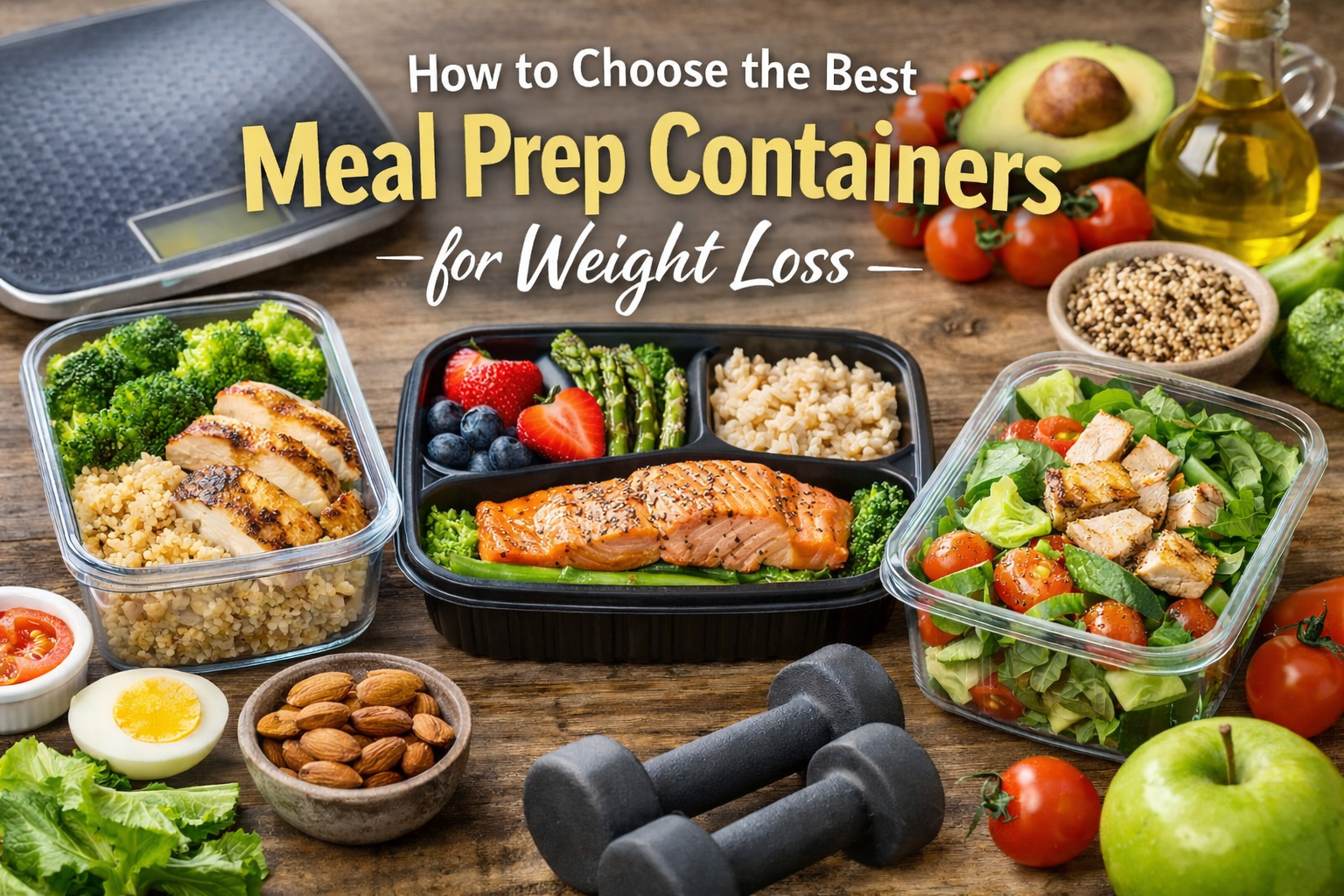
Why Container Choice Matters for Weight Loss Success
Your container selection directly impacts three critical factors in weight loss: portion control, meal consistency, and food quality. When you invest in the best meal prep containers for weight loss, you’re not just buying storage—you’re investing in a system that supports behavioral change.
First, proper containers enforce portion discipline without requiring constant willpower. Pre-portioned meals eliminate the “just a little more” mentality that sabotages calorie deficits. When your protein, carbs, and vegetables are already measured and packed, you consume exactly what your body needs—nothing more, nothing less.
Second, quality containers preserve nutrient integrity and food safety. Inferior containers can leach chemicals into your food, compromise freshness, and lead to spoilage. When meals don’t taste good or seem unsafe, you are more likely to abandon your prep and reach for unhealthy alternatives. The right containers keep food fresh for 4-5 days, maintaining both safety and appeal.
Third, an organized container system reduces decision fatigue. When you open your fridge and see neatly stacked, clearly labeled meals, there is no room for “I don’t know what to eat” moments that lead to poor choices. This psychological advantage is often overlooked but incredibly powerful for long-term adherence.
Read more: How to Create a 7-Day Meal Prep Plan for Weight Loss
Types of Meal Prep Containers: A Comprehensive Comparison
Understanding the different container types available helps you match features to your specific needs. Here’s a detailed breakdown of your options:
| Container Type | Best For | Pros | Cons |
|---|---|---|---|
| Glass with snap lids | Home storage, microwave reheating | Non-toxic, durable, dishwasher-safe | Heavy, breakable if dropped |
| BPA-free plastic | Portability, gym bags, commuting | Lightweight, affordable, shatter-resistant | May stain, shorter lifespan |
| Stainless steel | Cold meals, outdoor activities | Extremely durable, eco-friendly | Not microwave-safe, higher cost |
| Silicone collapsible | Travel, space-saving storage | Collapses flat, freezer-safe | Can absorb odors, less rigid |
Each type serves different purposes in a comprehensive meal prep system. Many successful meal preppers use a combination—glass for meals eaten at home, stainless steel for on-the-go lunches, and silicone for versatile storage. The key is matching container features to your daily routine and eating patterns.
Read more: Meal Prep For Weight Loss: The Complete Beginner’s Guide
Key Features to Look for in Weight Loss Containers
When evaluating the best meal prep containers for weight loss, certain features dramatically improve functionality and long-term success. These are not just nice-to-haves—they are essentials that determine whether your meal prep system thrives or fails.
Size and Portion Control Considerations
Container capacity directly affects portion sizes, making it a critical weight loss factor. For most people following a calorie-controlled diet, containers between 24-32 ounces work best for complete meals. This size comfortably holds 4-6 ounces of protein, 1 cup of vegetables, and ½-1 cup of complex carbohydrates—the ideal macronutrient balance for sustainable weight loss.
Smaller containers (8-16 ounces) excel for snacks, side dishes, or component storage.
If you prefer assembling meals daily rather than eating completely prepped meals, smaller containers let you portion ingredients separately. Larger containers (40+ ounces) work well for salads where volume doesn’t equal high calories, or for family-size batch cooking before individual portioning.
Pro tip: Buy containers with measurement markings inside. This eliminates the need for separate measuring cups and ensures consistency across all your meals. Some containers include fill lines at common portion sizes (1 cup, 2 cups, etc.), making accurate portioning effortless even when you’re tired or rushed.
Material Safety and Durability
Food safety should never be compromised for convenience. The best meal prep containers for weight loss use materials certified as food-safe and free from harmful chemicals like BPA, phthalates, and lead. Glass containers are inherently non-reactive and don’t leach chemicals, even when heated. However, ensure glass is borosilicate or tempered for thermal shock resistance.
For plastic containers, look for BPA-free certifications and numbers 2, 4, or 5 in the recycling triangle—these plastics are considered safest for food storage. Avoid plastics marked 3, 6, or 7, which may contain harmful additives. Never microwave plastic unless explicitly labeled microwave-safe, as heat increases chemical leaching risk.
Stainless steel (specifically 304 or 18/8 grade) is another excellent non-toxic option, though it can’t be microwaved. Silicone should be 100% food-grade and free from fillers—high-quality silicone withstands extreme temperatures without degrading or releasing chemicals.
The Power of Compartmentalization
Compartmentalized containers are worth their weight in gold for meal preppers. They keep wet and dry ingredients separate, preventing soggy vegetables and maintaining textural integrity. For weight loss specifically, visual separation of macronutrients helps you see exactly what you’re eating—one section for protein, another for carbs, and a third for vegetables.
Look for containers with at least 2-3 compartments in various sizes. The largest section (usually 60-70% of total capacity) should hold your vegetables or salad base. Medium sections work for proteins and grains. Smallest compartments are perfect for dressings, sauces, or nuts—high-calorie items that need strict portion control.
Removable dividers offer maximum flexibility, letting you adjust compartment sizes based on meal composition. Some advanced systems include sauce containers that nestle into the main container, keeping dressings completely separate until you’re ready to eat. This feature is particularly valuable for salad-heavy meal plans.
Best Materials for Meal Prep Containers: Detailed Analysis
Each container material offers distinct advantages and limitations. Understanding these nuances helps you select options that align with your lifestyle, budget, and priorities.
| Material | Microwave Safe | Dishwasher Safe | Lifespan | Price Range |
|---|---|---|---|---|
| Borosilicate Glass | Yes | Yes | 10+ years | $30-60 per set |
| Polypropylene Plastic | Yes | Yes (top rack) | 6-12 months | $15-30 per set |
| 304 Stainless Steel | No | Yes | Lifetime | $40-80 per set |
| Food-Grade Silicone | Yes | Yes | 3-5 years | $25-45 per set |
Glass Containers: The Gold Standard
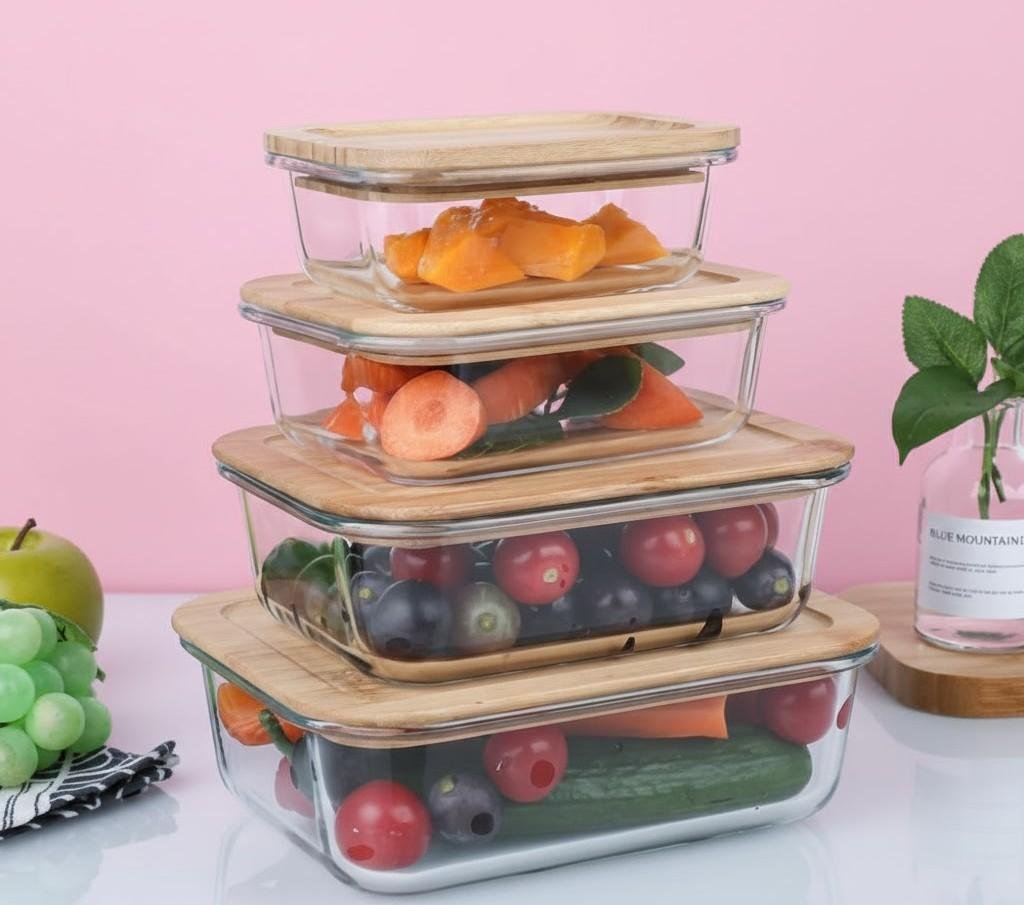
Glass containers represent the premium choice for serious meal preppers. Borosilicate glass resists thermal shock, meaning you can transfer containers directly from freezer to microwave without cracking. This durability, combined with complete non-reactivity, makes glass ideal for acidic foods, marinades, and dishes with bold flavors that might stain or absorb into plastic.
The transparency of glass is a psychological advantage—you can see exactly what and how much you’re eating at a glance. This visual accountability supports mindful eating and portion awareness. Glass also cleans beautifully, never retaining odors or stains even after months of heavy use.
The main drawback is weight. A set of glass containers weighs 2-3 times more than plastic equivalents, making them less portable for people who commute long distances or carry multiple meals. However, for home-based meal prep or short commutes, this weight is a minor inconvenience compared to the material’s benefits.
Read more: The Complete Guide to Protein Supplements
BPA-Free Plastic: Lightweight and Practical
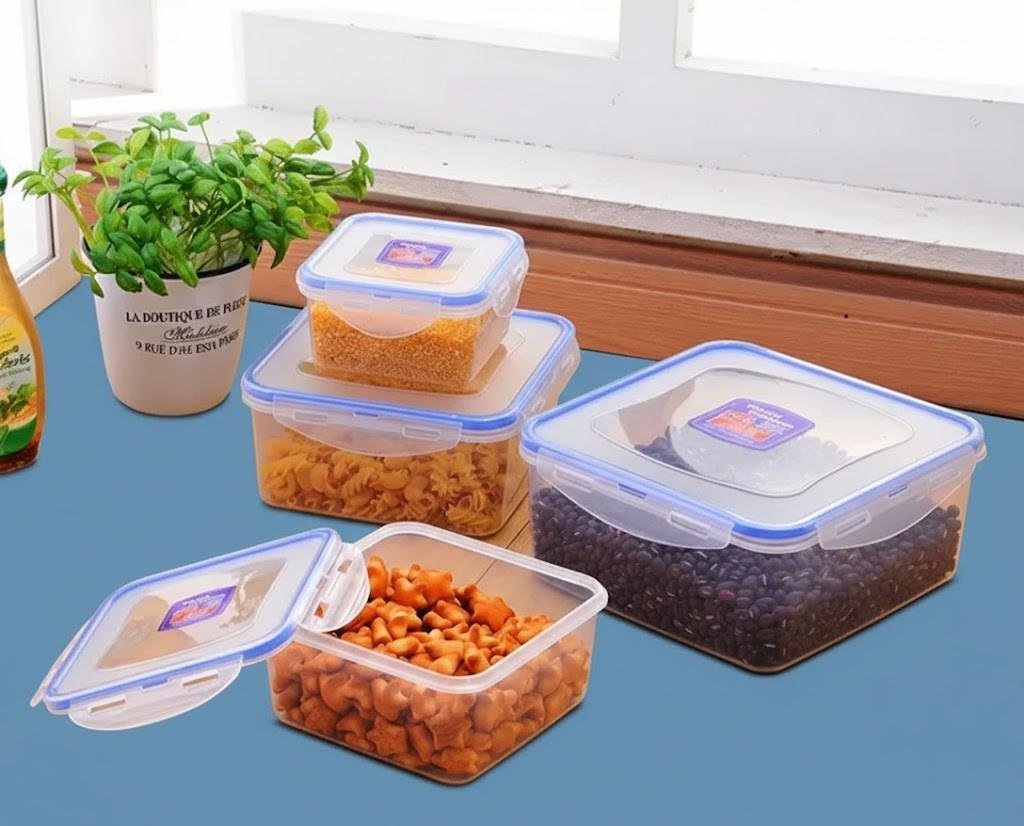
Modern BPA-free plastics have evolved significantly, offering safe, functional options for budget-conscious meal preppers. High-quality plastic containers weigh a fraction of glass while providing adequate durability for daily use. They’re virtually unbreakable, making them ideal for taking to work, the gym, or traveling.
The best plastic meal prep containers use polypropylene (plastic #5), which withstands repeated heating and cooling without warping. Look for thick-walled construction—thin, flimsy plastic degrades quickly and may contain quality-compromising fillers. Premium plastic containers often include silicone gaskets in lids for superior leak-proof sealing.
Replace plastic containers every 6-12 months if you use them heavily, or when you notice cloudiness, scratches, or persistent odors. Unlike glass that lasts indefinitely, plastic degrades over time, especially with frequent microwave use. Factor this replacement cost into your budget when comparing materials.
Stainless Steel: Durable and Eco-Friendly
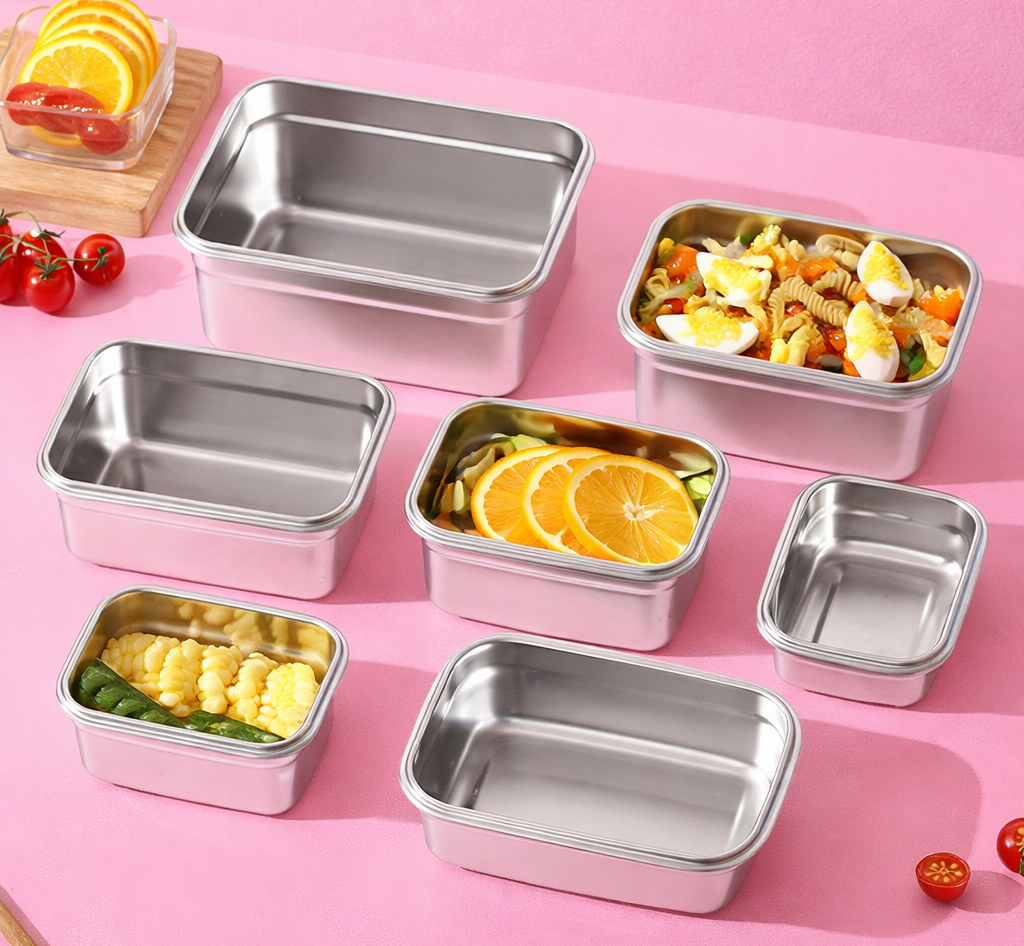
Stainless steel containers combine durability with sustainability. They are practically indestructible—drop one from counter height and it might dent but won’t shatter or crack. This longevity makes them cost-effective despite higher upfront prices. Quality 304 stainless steel is 100% recyclable and doesn’t leach any chemicals, even after years of use.
The inability to microwave stainless steel is its primary limitation. If you rely on microwave reheating, you’ll need to transfer food to a microwave-safe dish, adding cleanup time. However, stainless steel excels for cold meals (salads, grain bowls, overnight oats) and for people with access to conventional ovens or stovetops for reheating.
Stainless steel containers with airtight lids work beautifully for leak-proof transport. Many include silicone or bamboo lids that seal completely, preventing spills even in overstuffed bags. The opaque nature prevents light exposure, which can degrade certain nutrients in stored food—a subtle but real advantage for nutrient-conscious meal preppers.
How to Match Containers to Your Weight Loss Goals
Your weight loss approach should dictate your container choices. A bodybuilder cutting for competition needs different containers than someone following intermittent fasting or a plant-based diet. The best meal prep containers for weight loss are those that support your specific strategy.
For calorie counting, prioritize containers with built-in compartments and measurement markings. These features make macro tracking effortless—you can prep protein, carbs, and fats in predetermined amounts without constant calculator use. Transparent containers also help you visually verify portions before eating.
If you follow intuitive eating or mindful eating approaches, choose containers that don’t feel restrictive. Slightly larger containers (28-32 oz) with flexible compartments let you adjust portions based on hunger cues while still providing visual guides. Glass containers work particularly well for this approach since you can see everything before committing to eating.
For intermittent fasting practitioners, smaller containers (16-20 oz) support concentrated nutrient density during eating windows. You want containers that can hold calorie-dense but nutritious meals—salmon, avocado, nuts, and vegetables packed together. Leak-proof seals are especially important since you might be storing prepared meals for extended periods.
Plant-based dieters benefit from larger containers since vegetables are less calorie-dense. A 32-40 oz container filled with a massive salad, roasted vegetables, quinoa, and beans might contain only 400-500 calories while providing complete satiation. Choose containers with ventilation or removable lids to prevent moisture buildup that wilts greens.
Read more: 12 Tips for Healthy Weight Loss
Container Organization and Storage Systems
Even the best containers fail if you can’t maintain an organized system. Proper organization transforms meal prep from chaotic to streamlined, saving time and reducing stress throughout the week.
| Organization Method | Implementation | Benefit |
|---|---|---|
| Label Everything | Use masking tape and permanent marker with meal name and prep date | Prevents food waste, ensures freshness tracking |
| Stack Uniformly | Buy matching sets that nest perfectly when empty and stack securely when full | Maximizes refrigerator space, reduces clutter |
| Prep Day Routine | Clean, dry, and organize containers before filling to streamline assembly | Reduces prep time, maintains consistency |
| Refrigerator Zones | Designate specific shelves: top for breakfasts, middle for lunches, bottom for dinners | Quick meal identification, reduces decision fatigue |
| Weekly Reset | Every Sunday, wash all containers and audit your system for missing lids or damaged pieces | Maintains hygiene, identifies replacement needs |
Consistency is crucial—establish a system and stick to it. Designate specific refrigerator shelves for meal prep containers, keeping them at eye level for easy access. When meals are visible and convenient, you’re more likely to eat them rather than making impulsive food choices.
Use a rotating system where the oldest meals sit in front. This first-in, first-out approach prevents food waste and ensures you’re always eating meals at peak freshness. Consider color-coded lids—blue for breakfast, green for lunch, red for dinner—for instant meal identification without reading labels.
Choose containers with labeled measurements (1–2 cups) on the side to make tracking calories or macros easy, eliminating the need for a food scale.
Common Mistakes to Avoid When Choosing Containers
Learning from others’ mistakes saves time, money, and frustration. Here are the most common container selection errors that derail meal prep systems:
Mistake 1: Buying mismatched sizes. When containers don’t stack properly, you waste valuable refrigerator space and create organizational chaos. Invest in a cohesive set where lids and bases are interchangeable and containers nest when empty. This uniformity makes storage and cleanup significantly easier.
Mistake 2: Choosing style over function. Instagram-worthy containers might photograph beautifully but fail in daily use. Prioritize airtight seals, microwave safety, and dishwasher durability over aesthetic appeal. The best meal prep containers for weight loss are those you’ll actually use consistently, not those collecting dust because they’re too pretty to risk scratching.
Mistake 3: Under-buying containers. You need more than you think. Calculate your weekly meal count (breakfasts, lunches, dinners, snacks) and add 20-30% buffer. Running out of containers mid-prep forces you into suboptimal storage solutions or skipping meals entirely. A typical meal prepper uses 15-25 containers weekly.
Mistake 4: Ignoring lid quality. Containers are only as good as their lids. Flimsy lids warp after a few dishwasher cycles, compromising seals and leading to spills. Invest in containers with thick, flexible lids that create audible vacuum seals when closed. Some containers include venting mechanisms in lids for safe microwave use without removing the lid entirely.
Mistake 5: Forgetting portability needs. If you take meals to work or the gym, containers must fit in your bag without adding excessive weight or bulk. Test-pack containers with meals before committing to a full set. Some containers market themselves as meal prep-friendly but are too large for standard lunch bags or backpacks.
Getting Started: Building Your Container System
Starting your meal prep journey doesn’t require a massive upfront investment. Begin with a starter set of 10-12 containers in 2-3 sizes. As you develop your meal prep rhythm, you’ll naturally identify which sizes and features you use most, allowing you to expand strategically.
A balanced starter system includes: 6-8 main meal containers (24-30 oz with compartments), 2-4 smaller containers (12-16 oz) for snacks or side dishes, and 2-4 tiny containers (2-4 oz) for dressings and sauces. This variety handles most meal prep scenarios while keeping initial costs reasonable.
Test different materials before fully committing. Buy one glass, one plastic, and one stainless steel container to compare in real-world use. Pay attention to which you naturally reach for, which clean easiest, and which cause least frustration. Your personal preferences matter more than generic recommendations—the best meal prep containers for weight loss are the ones
you’ll consistently use.
Finally, give yourself permission to upgrade and refine over time. Your first container choices don’t have to be perfect. As your meal prep skills develop and your needs clarify, you’ll naturally gravitate toward containers that align with your evolved system. The key is starting now rather than waiting for the “perfect” setup that doesn’t exist.
Read more: How to Build a Sustainable Workout Routine
Your Journey to Weight Loss Success Starts With the Right Tools
Choosing the best meal prep containers for weight loss isn’t about finding one perfect product—it’s about building a system that supports your unique lifestyle, goals, and preferences. The containers that transform meal prep from overwhelming to effortless are those that match your cooking style, storage space, portability needs, and budget constraints.
Remember that containers are tools, not magic solutions. They work best when combined with thoughtful meal planning, consistent prep sessions, and commitment to your health goals. However, the right containers dramatically reduce friction in this process, making healthy eating feel automatic rather than exhausting.
Start small, experiment freely, and trust your experience over marketing claims. The best meal prep containers for weight loss are ultimately the ones that disappear into your routine—the ones you stop thinking about because they simply work.
When meal prep becomes this seamless, sustainable weight loss follows naturally. Your future self will thank you for investing in a system that makes healthy eating the path of least resistance.
Read more: 8 Best Workouts to Keep You Healthy
Frequently Asked Questions (FAQs) on Meal Prep Containers
Here are the top notch frequently asked questions about the best meal prep containers for weight loss and the most optimized answers.
1. How many meal prep containers do I need for weight loss?
Most people need 15-20 containers weekly for complete meal prep coverage including main meals and snacks. Start with 10-12 containers, then expand based on your specific meal frequency and storage habits.
2. Can I freeze meals in meal prep containers?
Yes, but verify freezer-safe labeling first. Glass and certain plastics handle freezing well, but leave 1-inch headspace for expansion. Thaw overnight in the refrigerator rather than using microwave defrost for better texture.
3. What size containers work best for portion control?
Containers between 24-32 ounces provide optimal portion control for complete meals. This size accommodates balanced macronutrients: 4-6 oz protein, 1 cup vegetables, and ½-1 cup complex carbohydrates without encouraging overeating.
Related Contents:
- Meal Prep For Weight Loss: The Complete Beginner’s Guide
- The Best Workouts to Maintain Healthy Weight Loss
- 12 Tips for Healthy Weight Loss
- 8 Best Workouts to Keep You Healthy
- How to Create a 7-Day Meal Prep Plan for Weight Loss
- How to Build Functional Fitness for Everyday Life
- The Complete Guide to Protein Supplements
- The 10 Best Yoga Mats For Daily Workout
- How to Build a Sustainable Workout Routine
- Strength Training for Beginners: A Detailed Guide