
Written by: Segun Akomolafe
The Dolomites stand as one of Europe’s most breathtaking mountain ranges, offering jagged limestone peaks, emerald valleys, and trails that range from gentle walks to challenging climbs. If you’re planning your first hiking adventure in this UNESCO World Heritage site, this complete guide to hiking the Dolomites will help you navigate everything from choosing the right trails to budgeting your trip and packing efficiently.
Why Choose the Dolomites for Your First Mountain Hiking Experience
The Italian Alps present a unique advantage for beginners. Unlike many alpine regions, the Dolomites offer extensive rifugio (mountain hut) networks, well-marked trails, and varying difficulty levels that let you start easy and progress at your own pace. The region’s accessibility from major Italian cities like Venice and Verona makes it an ideal destination for your first serious hiking trip.
The landscape here differs dramatically from typical mountain ranges. You’ll encounter distinctive pale limestone towers, vibrant wildflower meadows, and crystal-clear alpine lakes. The infrastructure supporting hikers is exceptional, with cable cars providing shortcuts to higher elevations and reducing the physical demands of altitude gain.
Best Dolomites Hiking Trails for Beginners
This beginner’s guide to hiking the Dolomites focuses on accessible routes that showcase the region’s beauty without requiring technical climbing skills or extreme fitness levels.
Tre Cime di Lavaredo Loop stands as the most iconic beginner hike. This 6-mile loop circles three massive rock towers and takes roughly three hours. You’ll start at Rifugio Auronzo (accessible by car with a toll road fee of €30) at 7,500 feet elevation, meaning you avoid the grueling initial climb. The trail is well-maintained and relatively flat, making it perfect for gauging your fitness level.
Lago di Braies Circuit offers a gentler introduction. This 2.2-mile lakeside path takes just 90 minutes and features minimal elevation change. The turquoise waters against limestone cliffs create Instagram-worthy views at every turn. Arrive before 9 AM during summer months, as parking fills quickly and costs €10 for the day.
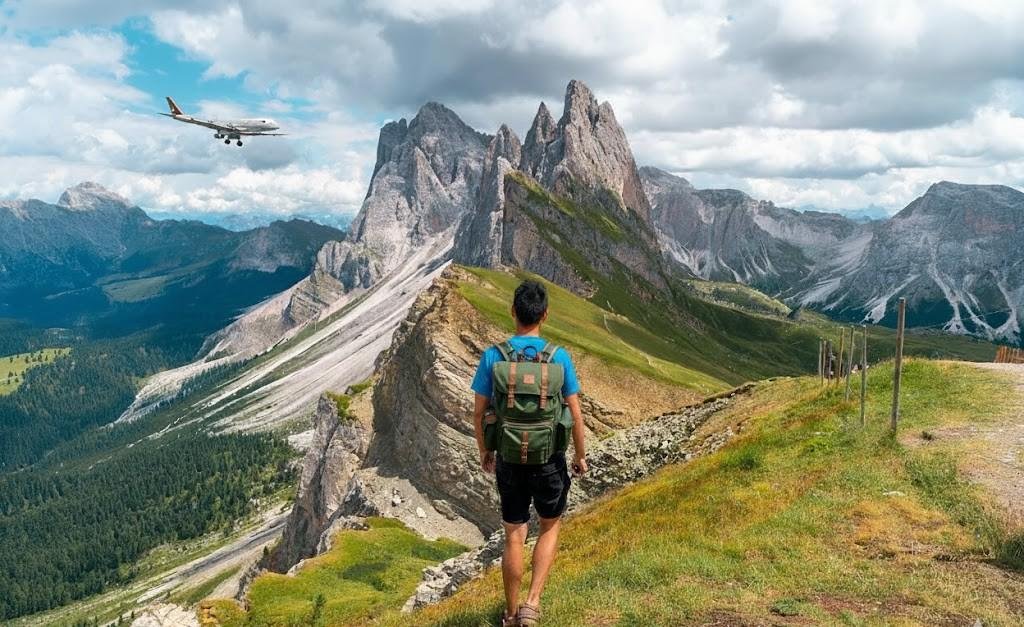
Seceda Ridge Walk provides dramatic scenery with moderate effort. Take the cable car from Ortisei to Seceda summit (€20 round trip), then hike the ridge trail for 2-3 hours. You’ll experience sweeping panoramic views without technical difficulty, though some sections feature steep drop-offs that might challenge those with height sensitivities.
Alpe di Siusi Meadows represents the perfect starter trek. This massive alpine plateau offers dozens of interconnected trails ranging from 1-4 hours. The terrain stays relatively flat, and you can customize your route based on energy levels. Cable car access from Siusi costs €18 round trip.
Cinque Torri Loop combines accessibility with historical interest. This 3-mile trail around five distinctive rock towers includes WWI trenches and fortifications. The loop takes 2-3 hours and starts from Rifugio Scoiattoli, reachable by chairlift (€14 round trip) from Passo Falzarego.
Read more: The 5 Best Travel Backpacks You Should Consider Today
Understanding the Cost of Hiking in the Dolomites
Budgeting correctly prevents unpleasant surprises. Here’s what you’ll actually spend on a week-long hiking trip, addressing the common question: how much does a week in the Dolomites cost?
Accommodation Costs
- Rifugios (mountain huts): €30-60 per night for dormitory beds, €80-150 for private rooms
- Valley hotels: €70-150 per night in towns like Cortina d’Ampezzo or Ortisei
- Budget hostels: €25-45 per night in nearby cities
- Camping: €10-20 per night at designated campsites
Transportation Expenses
Renting a car provides maximum flexibility and costs €250-400 per week, plus fuel (approximately €80-120 weekly). Public buses serve major trailheads but run infrequently outside peak season. A weekly bus pass costs around €50-70 depending on your base location.
Cable cars and chairlifts significantly impact your budget. Expect to spend €15-30 per day on uplift services. Some trails require these rides, while others offer them as convenient alternatives to hiking elevation gain. Multi-day passes sometimes offer savings, with three-day passes averaging €75-90.
Food Budget
Rifugio meals cost €12-18 for lunch, €20-35 for dinner. Most provide hearty portions of pasta, polenta, and regional specialties. Bringing your own snacks and water reduces daily costs. Valley supermarkets let you stock up on trail food for €30-50 weekly.
Total Weekly Cost Estimate
Budget travelers managing accommodation carefully and cooking some meals should plan for €600-900 weekly. Mid-range travelers using rifugios and dining out spend €1,200-1,800. This cost of hiking in the Dolomites includes accommodation, food, transportation, and lift passes but excludes flights and gear purchases.
Read more: The 5 Best Rain Jackets For Men and Women
What to Pack for Hiking the Dolomites: Essential Gear List
Your Dolomites packing list in summer needs to address variable mountain weather while keeping your pack weight manageable. Here’s what actually matters for what to pack for hiking the Dolomites;
| Item Category | Essential Items | Why You Need It |
|---|---|---|
| Footwear | Broken-in hiking boots with ankle support | Trails feature rocky terrain and loose scree |
| Clothing Layers | Moisture-wicking base layer, insulating mid-layer, waterproof shell | Temperature swings 30-40°F between valley and peaks |
| Sun Protection | SPF 50+ sunscreen, sunglasses, wide-brimmed hat | Alpine sun intensity increases significantly with elevation |
| Navigation | Offline maps (Komoot or Maps.me), compass, portable charger | Cell service proves unreliable in valleys |
| Hydration | 2-3 liter water capacity, electrolyte tablets | Limited water sources on many trails |
| Safety Gear | First aid kit, whistle, headlamp, emergency blanket | Weather changes rapidly; some trails take longer than expected |
Clothing Strategy
Pack using a layering system rather than bringing separate outfits for each day:
- Base layer: Two moisture-wicking shirts and one pair of hiking pants
- Insulation: One fleece or lightweight down jacket for early mornings and summit stops
- Weather protection: One waterproof jacket and waterproof pants (afternoon thunderstorms occur frequently)
- Extras: Two pairs of hiking socks, one pair of camp shoes, sun hat, warm beanie
Technical Equipment
Trekking poles reduce knee strain on descents by up to 25% and prove invaluable on steep sections. Adjustable poles work best for varying terrain. A 30-40 liter backpack accommodates day hike essentials without excess bulk.
Read more: The 5 Best Hiking Boots For Your Next Trip
Planning Your Dolomites Trekking Guide: Timing and Logistics
The Dolomites trekking guide planning process starts with choosing the right season. July through September offers the most reliable weather and fully operational rifugios. June features fewer crowds but lingering snow on higher trails. September brings stunning fall colors and comfortable temperatures.
Best day hikes in the Dolomites for beginners work perfectly for a week-long trip. Base yourself in one location like Cortina d’Ampezzo, Val Gardena, or Alpe di Siusi, then take day trips to different trail systems. This approach eliminates the need to carry full camping gear and allows you to return to comfortable accommodation each evening.
Book rifugio accommodations 2-3 months ahead for July and August. Popular huts fill quickly, especially on weekends. Many rifugios now accept reservations through their websites or by email. Confirm your booking a week before arrival, as some still operate on informal reservation systems.
Trail markings in the Dolomites use a numbered system with red-white-red painted blazes. Download offline maps before your trip since cellular coverage disappears in many valleys. The general map (1:25,000 scale) remains the gold standard for navigation.
Read more: The 5 Best Travel Gears You Should Consider Today
Safety Considerations: Is Hiking the Dolomites Difficult?
The question “is hiking the Dolomites difficult?” depends entirely on which trails you choose. The beginner routes outlined in this complete guide to hiking the Dolomites avoid technical climbing and via ferrata (protected climbing routes requiring special equipment). However, all mountain hiking carries inherent risks you need to understand.
Weather awareness proves critical. Mountain weather changes within hours. Morning sunshine can transform into afternoon thunderstorms with lightning danger. Start your hikes by 8 AM to finish by early afternoon when storms typically develop. If you hear thunder, descend immediately and avoid exposed ridges and peaks. Afternoon rain or thunderstorms are very common; start early to avoid being caught in harsh weather.
Altitude affects everyone differently. The Dolomites’ highest hiking trails reach 9,000-10,000 feet. Spend your first day acclimating at lower elevations before tackling high-altitude hikes. Symptoms of altitude sickness include headaches, nausea, and dizziness. Descend if symptoms worsen.
Physical preparation matters more than fitness level. Train for 4-6 weeks before your trip with progressively longer walks carrying a weighted backpack. Focus on building endurance rather than speed. The trails themselves aren’t technically difficult, but sustained uphill hiking at altitude challenges even fit individuals.
Emergency services operate efficiently in the Dolomites, but rescue costs can exceed €3,000-5,000 without proper insurance. Verify your travel insurance covers mountain rescue and helicopter evacuation.
Maximizing Your Dolomites Experience
Your complete guide to hiking the Dolomites wouldn’t be complete without insider tips that transform a good trip into an exceptional one.
Embrace rifugio culturale. These mountain huts serve as social hubs where hikers from around the world share experiences. Arrive by late afternoon to secure a good bunk location, enjoy the sunset from the terrace, and experience the camaraderie unique to alpine hiking. Most rifugios serve dinner family-style, creating natural conversation opportunities.
Learn basic Italian phrases. While many rifugio operators speak English, locals appreciate efforts to communicate in Italian. Simple phrases like “Buongiorno” (good morning), “Grazie” (thank you), and “Il conto, per favore” (the bill, please) enhance interactions.
Consider a rest day mid-week. Consecutive days of hiking accumulate fatigue quickly. Schedule a lighter day for exploring local towns, visiting museums, or taking a scenic drive. This rest lets your muscles recover and prevents burnout.
Photograph responsibly. The Dolomites’ dramatic scenery tempts constant photography, but spends time simply observing without a lens. Some moments matter more experienced than documented. When you do photograph, arrive early or stay late for better lighting and fewer crowds at popular viewpoints.
Frequently Asked Questions
Here are valid answers to the top rated FAQs on hiking the Dolomites and how you can surely go about it.
When is the best time for beginners to hike the Dolomites?
Late June through mid-September offers optimal conditions with clear trails, operating rifugios, and reliable weather. July and August provide warmest temperatures but attract largest crowds. September balances comfortable conditions with fewer hikers.
Do I need hiking experience before visiting the Dolomites?
No prior mountain experience is required for beginner trails. However, you should comfortably walk 4-6 miles on uneven terrain. Build endurance through regular walking or hiking before your trip for maximum enjoyment.
Can I hike the Dolomites without a guide?
Yes, beginner trails are well-marked and don’t require guides. Carry offline maps, start early, and stick to designated trails. Consider hiring a guide only for via ferrata routes or technical climbs beyond beginner scope.
What if I encounter wildlife while hiking?
The Dolomites host chamois, marmots, and deer but rarely dangerous animals. Give wildlife space, never feed animals, and store food properly at rifugios. Brown bears exist in the region but encounters remain extremely rare.
Are credit cards accepted at mountain rifugios?
Many rifugios now accept cards, but cash remains essential. Bring €100-150 in cash for emergencies, as card machines sometimes malfunction. ATMs exist in valley towns but not on trails or at remote huts.
Conclusion
This complete guide to hiking the Dolomites provides everything you need to plan a successful first mountain hiking adventure. The region’s combination of stunning scenery, excellent infrastructure, and beginner-friendly trails creates an ideal environment for developing your hiking skills and confidence.
Start with the easier trails outlined here, invest in proper gear, budget realistically, and remain flexible with your plans as weather and energy levels dictate. The Dolomites reward those who approach them with preparation and respect, offering experiences that will inspire future mountain adventures for years to come.
Your journey begins with that first step onto the trail. The mountains are waiting.
Related Contents: