
Written by: Segun Akomolafe
Picture yourself walking barefoot along Gulfstream Beach at sunset, salt air mixing with the aroma of freshly grilled mahi-mahi from nearby oceanfront restaurants, while local fishermen unload their daily catch destined for evening dinner services. Or imagine discovering a family-run Cuban café tucked between surf shops, where the owner’s grandmother still prepares ropa vieja using her Havana recipe from 1952, served with black beans that have simmered since dawn.
Understanding the best food to eat at Gulfstream Beach requires more than scanning tourist restaurant guides—it demands exploring where commercial fishermen sell their morning catches, which food trucks locals queue for regardless of weather, and which establishments have earned neighborhood loyalty across generations rather than TripAdvisor ratings.
This comprehensive guide reveals authentic culinary experiences along Gulfstream Beach, from family-owned seafood shacks where recipes haven’t changed in forty years to beachfront eateries where chefs transform Florida’s coastal bounty into memorable meals that capture the region’s distinct character.
Prepare for an exploration of genuine South Florida coastal cuisine, where Caribbean influences meet Southern traditions, fresh-caught seafood defines daily menus, and family recipes withstand tourist trends and corporate restaurant expansion.
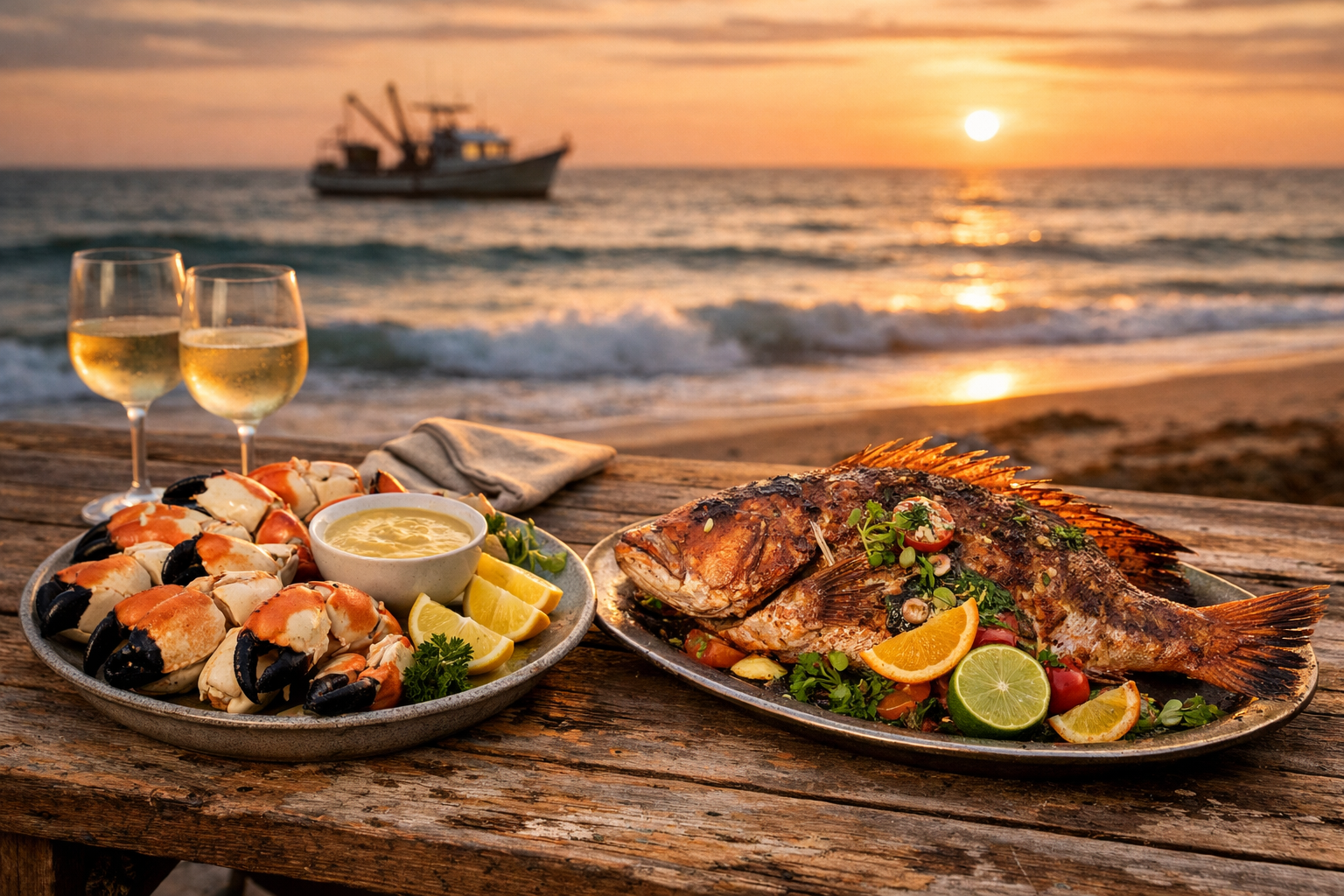
Why Gulfstream Beach’s Location Creates Unique Culinary Opportunities
Gulfstream Beach’s position along Florida’s southeastern coast, nestled between Delray Beach and Gulf Stream proper, creates distinctive dining advantages that larger tourist destinations cannot replicate. The Gulf Stream current passes remarkably close to shore here—sometimes within three miles—bringing deep-water fish species closer to land than almost anywhere else along Florida’s Atlantic coast.
This geographic reality means local fishermen access premium catches with shorter trips, translating to seafood reaching restaurant kitchens within hours of being caught. When you order grouper, snapper, or mahi-mahi at establishments sourcing locally, you are experiencing fish that swam in Atlantic waters that morning, not frozen products shipped from distant processing facilities.
The area’s demographic composition—combining longtime Florida residents, Caribbean immigrants, and seasonal visitors—creates culinary diversity absent from homogenized tourist zones. Walk two blocks inland from beachfront properties and you’ll discover Haitian bakeries producing pate kode (spicy meat pastries), Jamaican jerk chicken specialists whose marinades require overnight preparation, and Cuban ventanitas serving cafecito and croquetas to construction workers starting their shifts at dawn.
Pro Tip: Visit Gulfstream Beach during weekday mornings when commercial fishing boats return to nearby marinas—many captains sell excess catch directly from their vessels at prices substantially below retail, and several waterfront restaurants purchase their daily seafood from these same sources, ensuring maximum freshness.
Essential Seafood Experiences That Define The Best Food to Eat at Gulfstream Beach
Florida’s coastal waters provide exceptional variety, but knowing which species represent peak quality during your visit transforms ordinary seafood consumption into memorable dining. Gulfstream Beach’s proximity to both shallow coastal flats and deep offshore waters means restaurants can offer remarkable range within single menus.
Fresh Catch Specialties Worth Seeking
This basically includes:
Hogfish: Often overlooked by tourists but prized by locals, this reef fish possesses sweet, firm white flesh that many Floridians consider superior to grouper. The best preparations involve simple grilling with butter and citrus, allowing the fish’s natural flavor to dominate.
Yellowtail Snapper: Available year-round but particularly abundant during winter months, yellowtail’s delicate texture and mild flavor make it ideal for ceviche preparations or light pan-searing with tropical fruit salsas.
Stone Crab Claws: Florida’s signature crustacean, harvested sustainably by removing one claw and returning the crab to water where it regenerates. Season runs October through May, and the best food to eat at Gulfstream Beach during these months absolutely includes fresh stone crab served chilled with mustard sauce.
Mahi-Mahi: This fast-growing pelagic fish arrives at Gulfstream Beach waters during spring and summer migrations, offering firm texture perfect for grilling, blackening, or serving as fish tacos with cabbage slaw and lime crema.
Beyond finfish, the region’s waters provide exceptional shellfish opportunities. Look for restaurants serving local shrimp—smaller and sweeter than Gulf Coast varieties—prepared traditionally with Old Bay seasoning or incorporated into Caribbean-influenced dishes with scotch bonnet peppers and coconut milk.
Read more: How Much Does It Cost to Visit Italy: Real Budget from Rome to Sicily
Caribbean Influence: The Cultural Backbone of Coastal South Florida Cuisine
Gulfstream Beach’s culinary identity reflects South Florida’s substantial Caribbean population, particularly Haitian, Jamaican, and Cuban communities whose foodways have shaped regional taste preferences across decades. These aren’t fusion concepts invented for tourists—they represent authentic traditions maintained by immigrant families who’ve built lives along Florida’s coast.
In strip mall locations and roadside stands near Gulfstream Beach, you’ll find Haitian griot (fried pork) served with pikliz (spicy pickled vegetables) and diri kole ak pwa (rice and beans), dishes prepared identically to their Port-au-Prince origins. Jamaican establishments offer authentic jerk preparations where chicken marinates overnight in scotch bonnet peppers, allspice, and thyme before slow-cooking over pimento wood, creating smoke-infused meat with complex heat that evolves across each bite.
Cuban influence manifests differently but equally authentically. Family-run ventanitas (window cafés) serve Cuban coffee strong enough to fuel entire construction crews, accompanied by pastelitos filled with guava or meat, and media noche sandwiches—roasted pork, ham, Swiss cheese, pickles, and mustard on sweet egg bread—that represent Miami’s signature contribution to American sandwich culture.
Pro Tip: The best food to eat at Gulfstream Beach often exists in locations without ocean views—follow local work trucks to lunch spots, observe where Spanish predominates, and trust establishments where grandmothers still oversee kitchen operations.
Seasonal Considerations That Affect Gulfstream Beach Dining Quality
Florida’s subtropical climate creates distinct seasons affecting both ingredient availability and restaurant quality. Understanding these patterns helps you experience the best food to eat at Gulfstream Beach during your specific visit dates.
Winter Season (November-April): Peak tourist period brings expanded restaurant hours and full staffing, but also crowds and reservations requirements at popular establishments. Stone crab season dominates seafood offerings, while comfortable temperatures make outdoor dining ideal. Grouper fishing peaks during winter months when they move into shallower waters.
Summer Season (May-October): Hurricane season brings afternoon thunderstorms but fewer tourists and better local restaurant values. Mahi-mahi runs strong during summer, while lobster mini-season (last consecutive Wednesday-Thursday of July) creates a brief frenzy where recreational divers harvest Caribbean spiny lobsters, and restaurants offer temporary lobster specials worth planning around.
Hurricane Season Realities: September and October represent the statistical peak for tropical systems, and restaurants may close during storm threats. However, this period also offers the year’s best local dining values and least crowded beach access.
Budget-Conscious Strategies for Experiencing Premium Coastal Cuisine
Exceptional food at Gulfstream Beach doesn’t require resort restaurant budgets. Apply these approaches to access premium ingredients and authentic preparations while controlling costs:
Early Bird Specials: Many establishments offer identical dinner entrées at 30-40% discounts for diners seated before 6:00 PM—same kitchen, same ingredients, substantially lower prices.
Lunch Pricing: The same blackened mahi-mahi sandwich costs $14 at lunch versus $28 as a dinner entrée with sides that you might not want anyway.
Food Truck Excellence: Mobile vendors near beach access points often source from identical seafood suppliers as sit-down restaurants, offering fish tacos, conch fritters, and grilled catch-of-the-day at a fraction of restaurant prices.
Market-Direct Purchasing: Several fish markets near Gulfstream Beach sell prepared foods—smoked fish dip, conch salad, steamed shrimp—at wholesale-plus pricing that undercuts restaurant charges while maintaining quality.
Happy Hour Intelligence: Coastal bars offer discounted oysters, peel-and-eat shrimp, and fish bites during afternoon hours when tourists remain at beaches, creating opportunities for premium seafood at appetizer prices.
Read more: How to Plan a Solo Trip: Essential Tips & Safety Strategies
Understanding Quality Indicators in Gulfstream Beach Seafood Establishments
Not every restaurant claiming “fresh catch” delivers on that promise. Evaluate establishments using criteria that separate genuine quality from marketing language:
Catch-of-the-Day Boards: Restaurants updating daily specials based on actual fishing conditions demonstrate real-time sourcing relationships with local fishermen rather than relying on distributor deliveries.
Flexible Menu Items: When servers explain that requested fish isn’t available because “the boats didn’t bring any in today,” you’ve found establishments prioritizing freshness over guaranteed menu consistency.
Whole Fish Presentations: Restaurants offering whole grilled fish display confidence in product quality—there’s nowhere to hide second-rate seafood when presenting entire fish.
Fishing Photos: Establishments displaying photos of their actual suppliers or the captains they purchase from signal legitimate local sourcing rather than corporate supply chains.
Local License Plates: The parking lot test remains reliable—when you see predominantly Florida plates rather than rentals, locals have voted with their loyalty.
Frequently Asked Questions
Here are answers to common questions about the best food to eat at Gulfstream Beach:
What distinguishes Gulfstream Beach dining from nearby Delray Beach or Boca Raton?
Gulfstream Beach maintains smaller-scale, family-operated establishments focused on seafood quality over trendy concepts, offers better value pricing due to less tourist infrastructure, and preserves authentic Caribbean culinary traditions that larger resort communities have commercialized or displaced.
When does stone crab season begin and end at Gulfstream Beach?
Stone crab harvest legally runs October 15 through May 15, with peak availability occurring November through March when prices moderate and supply increases throughout the season.
Can visitors purchase fresh seafood directly from fishing boats?
Yes, several marinas near Gulfstream Beach allow dock-side purchasing when commercial boats return, typically early morning. Cash transactions work best, and fishermen appreciate buyers who know current market rates and don’t haggle excessively over already-fair prices.
How do I identify genuinely fresh fish versus previously frozen products?
Fresh fish displays clear, bright eyes, firm flesh that springs back when touched, and ocean-clean smell without fishy odor. Restaurant servers at quality establishments will honestly disclose when fish was previously frozen—honest communication indicates overall integrity.
What food safety considerations apply to Gulfstream Beach seafood consumption?
Reputable establishments follow Florida Department of Health regulations strictly. Avoid raw oysters during summer months when water temperatures increase bacterial risks, and trust restaurants displaying current health inspection certificates prominently.
Conclusion: Transforming Beach Visits Through Authentic Culinary Discovery
The best food to eat at Gulfstream Beach extends beyond consuming calories with ocean views—it involves connecting with Florida’s working waterfront traditions, understanding Caribbean cultural contributions that shape coastal cuisine, and recognizing that exceptional dining often happens in modest locations where fishing families and immigrant entrepreneurs have built reputations across decades rather than Instagram followings.
When you’ve tasted stone crab claws pulled from traps that morning, discovered a Haitian bakery producing pate kode that transports you momentarily to Port-au-Prince, or found the roadside fish shack where construction crews eat lunch because they know the grouper sandwich represents genuine value and quality, you’ve moved beyond tourist dining into authentic coastal food culture.
Gulfstream Beach’s culinary landscape exists because families refused to abandon traditional preparations despite chain restaurant expansion, because Caribbean immigrants maintained their foodways while building American lives, and because local fishermen still work waters their fathers and grandfathers fished, supplying restaurants that value quality over cost-cutting.
The knowledge gained through exploring Gulfstream Beach’s food scene extends beyond vacation memories—you’ll return home understanding seasonal seafood selection, recognizing authentic Caribbean preparations from tourist approximations, and appreciating that coastal cuisine emerges from daily fishing realities, immigrant cultural preservation, and human dedication to craft rather than corporate restaurant formulas.
Related Contents:
- How Much Does It Cost to Visit Italy: Real Budget from Rome to Sicily
- How Much Does it Cost to Travel to Japan: Complete Budget Breakdown
- How to Plan a Solo Trip: Essential Tips & Safety Strategies
- Complete Guide to Solo Travel: Safety Tips, Budget & Best Destinations for Beginners
- Complete Guide to Hiking the Dolomites: Trails, Costs & Packing List for Beginners
- Tasting Italy: A Journey Through Regional Food Tours
- A Journey Through Regional Food Tours in Mexico: Complete Guide from Oaxaca to Merida
- The 5 Best Hiking Boots For Your Next Trip
- The 5 Best Rain Jackets For Men and Women
- The 5 Best Travel Backpacks You Should Consider Today