
Written by: Segun Akomolafe
The influencer marketing landscape is shifting dramatically. Brands are moving away from traditional flat-fee arrangements and embracing outcome-driven partnerships. If you’re tired of paying thousands of dollars for influencer posts with uncertain returns, it’s time to explore performance-based influencer marketing.
This model ties influencer compensation directly to measurable results—sales, clicks, leads, or engagement. Instead of hoping your investment pays off, you only pay when specific actions occur. This guide will walk you through everything you need to know about implementing performance-based influencer marketing strategies that protect your budget while motivating influencers to deliver real results.
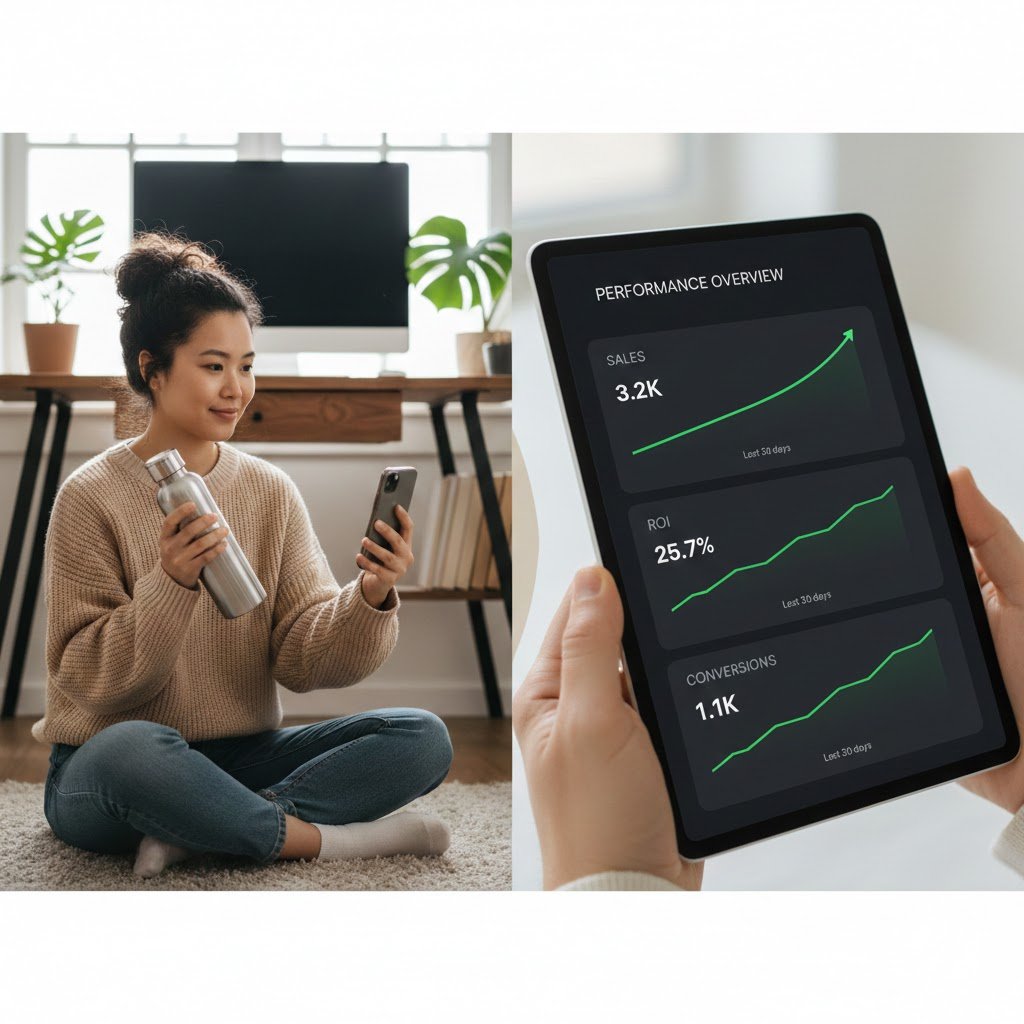
What Is Performance-Based Influencer Marketing?
Performance-based influencer marketing is a compensation model where influencers earn payment based on the results they generate rather than receiving a flat fee upfront. Instead of paying $5,000 for three Instagram posts regardless of outcome, you might pay $50 per sale generated, 10% commission on revenue, or $2 per click to your website.
This approach aligns incentives perfectly. How? Because when influencers succeed, you succeed. When campaigns underperform, you’re not left with empty pockets and disappointing analytics reports. According to recent industry data, 67% of brands now incorporate some form of performance-based compensation into their influencer partnerships, up from just 41% three years ago.
Read more: Influencer Marketing You Need to Know
Why Brands Are Embracing Performance-Based Models
The shift toward performance-based influencer marketing isn’t happening by accident. Several factors are driving this transformation:
- Budget Accountability: Marketing departments face increasing pressure to justify every dollar spent. Performance-based models provide clear ROI calculations that satisfy CFOs and stakeholders.
- Risk Mitigation: Traditional flat-fee arrangements carry significant risk. You might invest heavily in an influencer whose audience doesn’t convert. Performance models transfer much of this risk to the influencer, ensuring you only pay for proven results.
- Quality Over Vanity Metrics: Follower counts and engagement rates can be misleading or manipulated. Performance-based compensation forces everyone to focus on what truly matters—conversions, sales, and business growth.
- Scalability: Once you identify influencers who consistently deliver results, you can confidently scale these partnerships knowing your cost per acquisition remains predictable.
Five Types of Performance-Based Compensation Models
Understanding the various structures helps you choose the right approach for your brand objectives:
1. Cost Per Acquisition (CPA)
You pay a fixed amount for each completed action—a sale, signup, or download. For example, an influencer earns $30 for every customer who purchases using their unique discount code. This model works exceptionally well for e-commerce brands with clear conversion goals.
2. Revenue Share or Commission
Influencers receive a percentage of sales they generate, typically ranging from 5% to 30% depending on product margins and industry standards. This aligns perfectly with high-ticket items where even modest conversion rates generate substantial commissions.
Read more: How to Measure Influencer Marketing ROI
3. Cost Per Click (CPC)
Ideal for driving traffic, you pay influencers a small amount (typically $0.50 to $5.00) for each click their content generates to your website or landing page. This works well for awareness campaigns or when building email lists.
4. Cost Per Engagement (CPE)
Popular on social platforms, you compensate influencers based on meaningful interactions—comments, shares, or saves—that demonstrate genuine audience interest beyond passive scrolling.
5. Hybrid Models
The most sophisticated approach combines a reduced flat fee with performance bonuses. For instance, pay $1,000 upfront plus $25 per sale. This structure provides influencers with base compensation while strongly incentivizing results.
Benefits for Brands
Performance-based influencer marketing delivers compelling advantages:
Transparent ROI: Track exactly what you’re getting for every dollar invested. If you’re paying $40 per customer acquisition and your average customer lifetime value is $300, the math clearly works in your favor.
Lower Financial Risk: Poor-performing campaigns cost you minimal amounts rather than draining your entire budget. This safety net encourages experimentation with new influencers and platforms.
Better Targeting: Influencers become highly selective about which products they promote, choosing only items their audiences genuinely want. This natural filtering improves conversion rates across your program.
Quality Content Creation: Knowing their earnings depend on results, influencers invest extra effort in creating compelling, conversion-focused content that resonates with their followers.
Data-Driven Decisions: Performance metrics reveal which influencers, content types, and platforms deliver the best returns, allowing you to optimize your strategy continuously.
Read more: Micro-Influencers vs. Mega-Influencers: Which Delivers Better ROI?
Benefits for Influencers
While performance-based models might seem to favor brands, influencers gain significant advantages too:
Unlimited Earning Potential: Unlike capped flat fees, successful influencers can earn substantially more through commissions. A single viral post can generate thousands in revenue.
Partnership Longevity: Brands maintaining profitable relationships keep renewing contracts indefinitely, providing income stability that exceeds one-off flat-fee deals.
Creative Freedom: With clear performance goals, influencers often receive more creative latitude in how they present products, trusting their judgment about what resonates with their audience.
Portfolio Building: Demonstrated ability to drive measurable results becomes a powerful credential when negotiating future partnerships or commanding higher rates.
How to Structure Successful Performance-Based Campaigns
Implementing performance-based influencer marketing requires careful planning:
Set Clear, Measurable Goals
Define exactly what success looks like. Are you targeting sales, email signups, app downloads, or website traffic? Ambiguous goals doom campaigns from the start.
Choose Appropriate Tracking Mechanisms
Unique discount codes, affiliate links, good marketing template, UTM parameters, or dedicated landing pages ensure accurate attribution. Invest in reliable tracking technology that prevents influencers from losing credit for sales they legitimately generated.
Establish Fair Compensation Rates
Research industry benchmarks for your specific niche. Offering rates significantly below market value will attract only inexperienced or desperate influencers unlikely to deliver quality results.
Read more: How to Find the Right Influencers for Your Brand
Provide Marketing Assets
Supply influencers with high-quality product images, key talking points, brand guidelines, and compelling offers. The easier you make their job, the better results they’ll deliver.
Communicate Expectations Transparently
Document everything in a comprehensive contract covering payment terms, content requirements, exclusivity periods, and reporting obligations. Ambiguity breeds disputes that damage relationships. Defining the deliverables and deadlines in this contract reduces changes and makes both the project manager and the team more professional and effective.
Offer Support and Optimization
Check in regularly, share performance data, and collaboratively brainstorm improvements. Treating influencers as partners rather than vendors builds loyalty and drives better outcomes.
Key Metrics to Track
Monitor these critical performance indicators:
- Conversion Rate: Percentage of clicks resulting in desired actions
- Cost Per Acquisition: Total spending divided by conversions generated
- Return on Ad Spend (ROAS): Revenue generated divided by amount spent
- Average Order Value: Revenue per transaction influenced by each creator
- Customer Lifetime Value: Long-term value of acquired customers
- Engagement Quality: Comments and shares indicating genuine interest
- Attribution Accuracy: Ensuring proper credit assignment prevents disputes
Read more: The Ultimate Guide to Instagram Marketing
Common Mistakes and Solutions
Avoid these mistakes that derail performance-based campaigns:
Unrealistic Benchmarks: Setting conversion expectations based on your best-performing paid ads rather than organic social media leads to frustrated influencers and failed partnerships.
Insufficient Product-Market Fit: Even talented influencers can’t sell products their audiences don’t want. Ensure genuine demand exists before blaming poor results on influencer effort.
Attribution Challenges: Multiple touchpoints complicate sales attribution. Implement first-touch, last-touch, and multi-touch attribution models to fairly compensate influencers whose content plays any role in conversions.
Delayed Payments: Nothing damages influencer relationships faster than late or disputed payments. Automate payment processing and maintain transparent reporting dashboards.
Over-Reliance on Discounts: Constantly promoting discount codes trains audiences to wait for sales rather than purchasing at full price, potentially devaluing your brand.
Contract Considerations
Your performance-based agreements need specific clauses:
Document precise compensation formulas, payment schedules (weekly, monthly, quarterly), minimum performance thresholds before payments begin, tracking methodology details, and dispute resolution.
Include provisions for cookie duration (how long after clicking an affiliate link does the influencer receive credit), exclusivity requirements, and content ownership rights processes. Address what happens if tracking systems fail or attribution becomes unclear. Specify whether influencers can promote competing brands simultaneously.
Read more: The Ultimate Guide to YouTube Marketing
Hybrid Models: The Sweet Spot
Pure performance-based influencer marketing works brilliantly for established brands with proven products. However, asking influencers to work entirely on speculation often limits your talent pool. Many successful creators avoid pure commission deals, viewing them as too risky.
Hybrid models combining reduced base payments with performance bonuses appeal to broader influencer demographics. For example, offer $500 upfront plus $20 per sale. This structure covers influencers’ content creation costs while maintaining strong performance incentives.
Consider tiered bonuses that increase commission rates after hitting certain thresholds. An influencer might earn 10% on the first 50 sales, 15% on sales 51-100, and 20% thereafter. This gamification encourages sustained promotional effort.
Automation and Technology
Managing performance-based influencer marketing manually becomes overwhelming as programs scale. Invest in influencer marketing platforms that automate tracking, reporting, and payments.
Tools like impact.com, Refersion, and GRIN integrate with e-commerce platforms to automatically attribute sales, calculate commissions, and process payments. These systems provide influencers with real-time dashboards showing their earnings, eliminating constant email inquiries.
Read more: Influencer Marketing Automation: Tools That Save Time
The Future of Influencer Compensation
Industry trends indicate performance-based influencer marketing will continue expanding. Brands demand accountability, and influencers increasingly recognize that proven results justify premium compensation. This alignment creates healthier, longer-lasting partnerships.
Emerging technologies like blockchain and smart contracts may soon automate payment distribution instantly when conversions occur, eliminating payment delays entirely. Advanced attribution modeling powered by artificial intelligence will more accurately credit influencers across complex customer journeys involving multiple touchpoints.
Read more: The 4 Best AI Apps for Marketers
Conclusion
Performance-based influencer marketing represents the evolution of creator partnerships from vanity metrics to meaningful business outcomes. By aligning compensation with results, brands minimize risk while influencers gain unlimited earning potential.
Success requires clear goal-setting, reliable tracking systems, fair compensation structures, and transparent communication. Start with hybrid models combining modest base payments with performance incentives. As you identify top performers, consider increasing commission rates to strengthen those relationships.
The shift toward performance-based models isn’t about squeezing influencers or avoiding payment—it’s about building partnerships where everyone wins. When influencers succeed in driving sales, engagement, or conversions, brands gladly pay premium commissions knowing the ROI justifies the investment.
Related Contents:
- What to Include in an Influencer Contract (+ Free Template)
- How to Measure Influencer Marketing ROI
- Micro-Influencers vs. Mega-Influencers: Which Delivers Better ROI?
- Influencer Marketing You Need to Know
- How to Utilize ChatGPT for Marketing Strategy
- The Ultimate Guide to Instagram Marketing
- The Ultimate Guide to Growing Your Online Business
- The Ultimate Guide to YouTube Marketing
- How to Find the Right Influencers for Your Brand
- Influencer Marketing Automation: Tools That Save Time