
Written by: Segun Akomolafe
Picture yourself standing in a centuries-old Bologna workshop at dawn, watching sfoglinas roll golden egg dough into translucent sheets that will become tortellini by noon. Or imagine bargaining with fishmongers at Venice’s Rialto Market, selecting moscardini still glistening from the Adriatic, destined for your afternoon cooking class.
Regional food tours across Italy deliver more than Instagram-worthy plates—they connect you directly to the cheese makers who’ve aged Parmigiano-Reggiano wheels for 36 months, the truffle hunters whose dogs unearth white gold beneath Piedmont oaks, and the nonne who’ll critique your pasta-rolling technique until you’ve earned their approving nod.
This comprehensive guide reveals the most authentic tasting Italy: a journey through regional food tours experiences, from Sardinian shepherds teaching pecorino-making to Sicilian street food vendors whose family recipes predate Italian unification.
Prepare for an immersive exploration of genuine Italian gastronomy, where every meal tells stories of volcanic soil, alpine pastures, and generations of culinary guardians who’ve protected their traditions against homogenization.
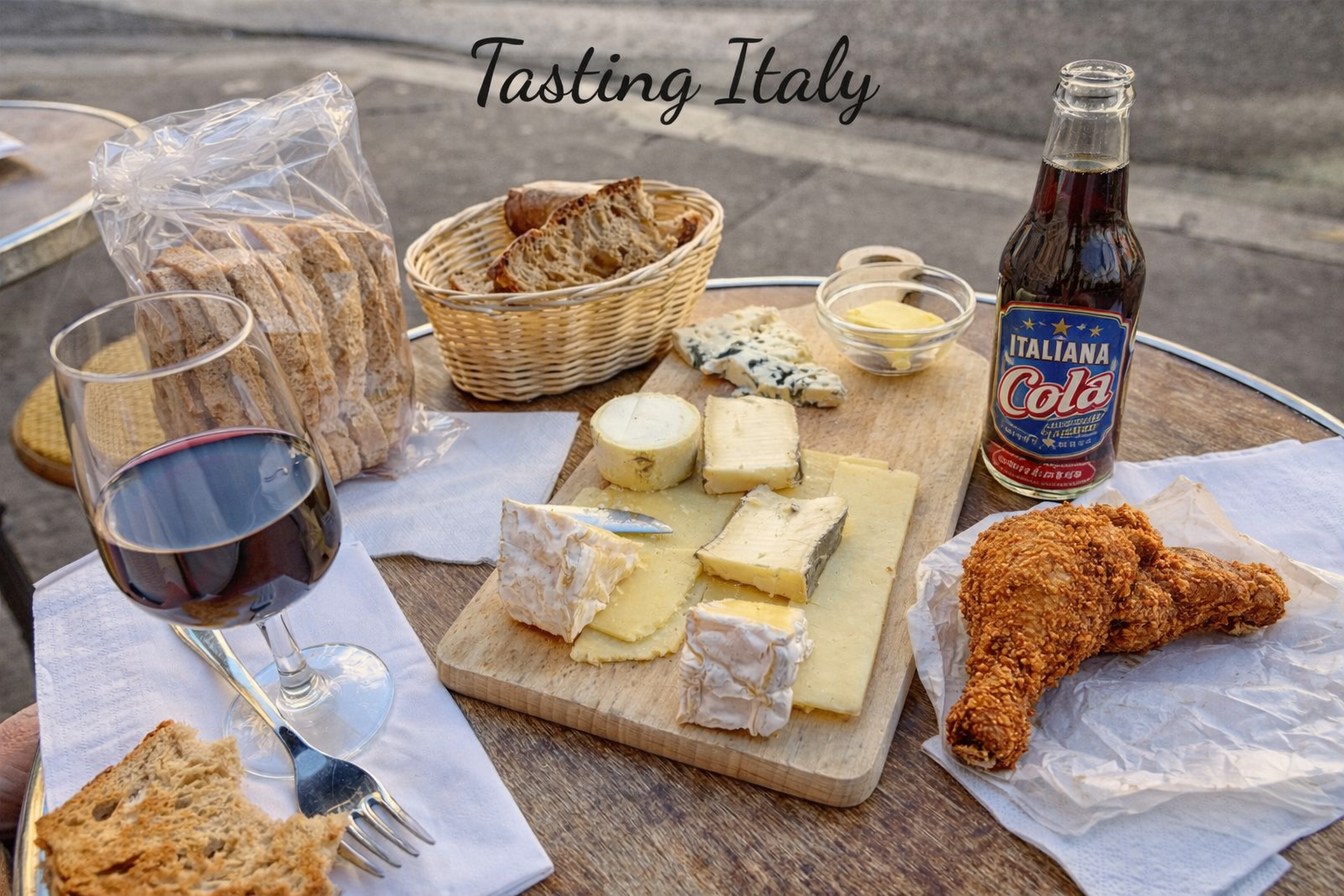
Why Regional Food Tours Transform How You Experience Italian Cuisine
The distinction between visiting Italy and truly understanding Italian food lies in experiencing where ingredients originate. When you participate in tasting Italy: a journey through regional food tours, you’re not observing from restaurant tables—you’re pulling mozzarella curds with dairy artisans in Campania’s countryside at 6 AM, hiking through Ligurian hillsides to harvest basil for pesto, or descending into Parma’s aging cellars where prosciutto legs hang in temperature-controlled darkness for 24 months.
In Emilia-Romagna, join producers who tap Parmigiano-Reggiano wheels with specialized hammers, listening for the acoustic signatures that reveal internal crystallization patterns developed during two-year aging processes.
Travel to Tuscany’s Val d’Orcia, where Chianina cattle graze on specific grasses that influence the marbling in your bistecca alla fiorentina, and butchers will explain why this heritage breed requires different aging than conventional beef.
Pro Tip: Book food tours that limit group sizes to six participants or fewer—you’ll gain direct access to producers, ask detailed questions about fermentation timelines or cultivation methods, and often receive invitations to family meals that larger commercial groups never experience.
Sicily’s morning markets in Catania present entirely different education. Vendors selling produce grown in Mount Etna’s mineral-rich volcanic soil will let you taste the difference between tomatoes cultivated at different elevations, explain why Bronte pistachios command premium prices, and demonstrate how to select capers from Pantelleria based on size grading and salt-curing quality.
Read more: How Much Does It Cost to Visit Italy: Real Budget from Rome to Sicily
Unmissable Regional Specialties That Define Authentic Italian Food Tours
Venture into Piedmont during October and November for white truffle season, when trained Lagotto Romagnolo dogs lead hunters through oak forests near Alba. These underground fungi, selling for €3,000-€4,000 per kilogram, get shaved paper-thin over tajarin—egg-rich pasta so delicate that forty yolks go into each kilogram of dough.
Northern Italy: Alpine Traditions Meet Adriatic Abundance
In Trentino-Alto Adige’s mountain refugios, you’ll discover how altitude and climate shaped cuisine fundamentally different from southern Italy:
Canederli (bread dumplings): Local families repurpose stale bread with speck, cheese, and mountain herbs, creating substantial dumplings served in beef broth or with melted butter.
Polenta concia: Buckwheat polenta enriched with multiple alpine cheeses—typically fontina, toma, and butter from high-altitude dairy herds grazing on wildflower meadows
Speck: Rose-colored ham cold-smoked with juniper wood, then aged in mountain air that imparts distinctive resinous notes impossible to replicate elsewhere
Venice requires different gastronomic literacy entirely. At traditional bacari, you’ll stand at marble counters with locals, sampling cicchetti—small plates that might include nervetti (calf cartilage in vinegar), folpetti (baby octopus), or baccalà mantecato whipped until it achieves mousse-like consistency.
The Rialto Market teaches you to identify genuine Adriatic fish versus cheaper imported alternatives, recognize moleche (soft-shell crabs available only during molting seasons), and understand why Venetians insist on specific fish for their risotto al nero di seppia.
Read more: How to Plan a Solo Trip: Essential Tips & Safety Strategies
Central Italy: Where Simplicity Demands Perfection
Roman cuisine operates on deceptively simple principles—four classic pasta dishes (carbonara, cacio e pepe, amatriciana, gricia) using minimal ingredients where quality becomes everything. Tasting Italy: a journey through regional food tours in Rome’s Testaccio neighborhood connects you with butchers who’ve supplied guanciale (cured pork jowl) to the same family-run trattorias for decades, and you’ll learn why carbonara made with bacon or cream represents culinary heresy to Romans.
Tuscany’s cuisine reflects its agricultural wealth differently. In Chianti wine country, participate in vendemmia (grape harvest), then watch as the same families who picked Sangiovese grapes that morning prepare pappa al pomodoro—bread and tomato soup that transforms yesterday’s unsalted Tuscan bread into comfort food. Visit Greve in Chianti’s historic butcher shops where ancient Chianina cattle breeds provide beef for bistecca alla fiorentina, grilled over chestnut wood and served rare, seasoned only with salt and Tuscan olive oil.
Read more: The 5 Best Hiking Boots For Your Next Trip
Southern Italy and Islands: Where History Flavors Every Dish
There are different camping regions where you can enjoy a wonderful dish in Italy. Campania’s buffalo mozzarella production around Paestum reveals why this cheese tastes incomparable to cow’s milk versions. You’ll watch casari (cheese makers) stretch fresh curds, form mozzarella balls by hand, and pack them in their own whey—all within hours of morning milking.
The same day, travel to San Marzano sul Sarno to see tomatoes growing in volcanic soil, understand DOP certification requirements, and taste why these specific tomatoes create pizza and pasta sauces that define Neapolitan cuisine.
In Puglia’s Valle d’Itria, masseria farm-stays immerse you in southern Italian agricultural life. Learn orecchiette-making from women whose finger movements have shaped “little ears” pasta for fifty years, press olives into oil using traditional stone mills, and understand why Puglian burrata—cream-filled mozzarella—must be consumed within 48 hours of production to experience its intended texture.
Sicily presents perhaps Italy’s most complex culinary heritage, layering Greek, Arab, Norman, and Spanish influences across millennia. In Palermo’s Ballarò Market, street food vendors whose families have operated the same stalls for generations will explain how pasta con le sarde evolved from Arab-introduced ingredients (saffron, raisins, pine nuts) combined with Sicilian wild fennel and fresh sardines.
Sample arancini variations that change between cities—Palermo’s conical shapes versus Catania’s rounded versions—and learn why these distinctions matter intensely to Sicilians.
Read more: Complete Guide to Hiking the Dolomites: Trails, Costs & Packing List for Beginners
Strategic Planning for Your Regional Italian Food Tour Experience
Here is a valuable table to help you with strategic planning for your regional Italian food tour:
| Region | Best Visiting Period | Signature Experience | Approximate Cost Per Day | Key Ingredient Focus |
|---|---|---|---|---|
| Piedmont | October-November | White truffle hunting & tasting | €180-€250 | White truffles, hazelnuts, Barolo wine |
| Emilia-Romagna | Year-round (September-May ideal) | Parmigiano-Reggiano production, balsamic vinegar aging | €120-€180 | Parmigiano, balsamic, tortellini |
| Tuscany | September-October | Vendemmia grape harvest, olive pressing | €140-€200 | Chianina beef, Chianti wine, olive oil |
| Campania | May-September | Buffalo mozzarella making, pizza workshops | €100-€150 | Buffalo mozzarella, San Marzano tomatoes |
| Puglia | April-June, September-October | Orecchiette pasta classes, burrata production | €90-€140 | Burrata, olive oil, orecchiette |
| Sicily | March-May, September-November | Street food markets, pastry workshops | €80-€130 | Pistachios, capers, seafood, citrus |
Effective tasting Italy: a journey through regional food tours requires understanding seasonal rhythms that govern Italian agricultural life. White truffles appear only from October through December; summer brings disadvantages for cheese and salumi production visits since many producers reduce operations during extreme heat; spring and autumn offer ideal conditions for most regional experiences.
Beyond classic pasta, current Italian culinary travels increasingly focus on sustainable farm-to-table experiences, truffle hunting in Tuscany, and immersive cooking workshops, providing true, hands-on gastronomic adventures across varied regional landscapes.
Read more: Complete Guide to Solo Travel: Safety Tips, Budget & Best Destinations for Beginners
Maximizing Authenticity: Insider Strategies for Food Tour Selection
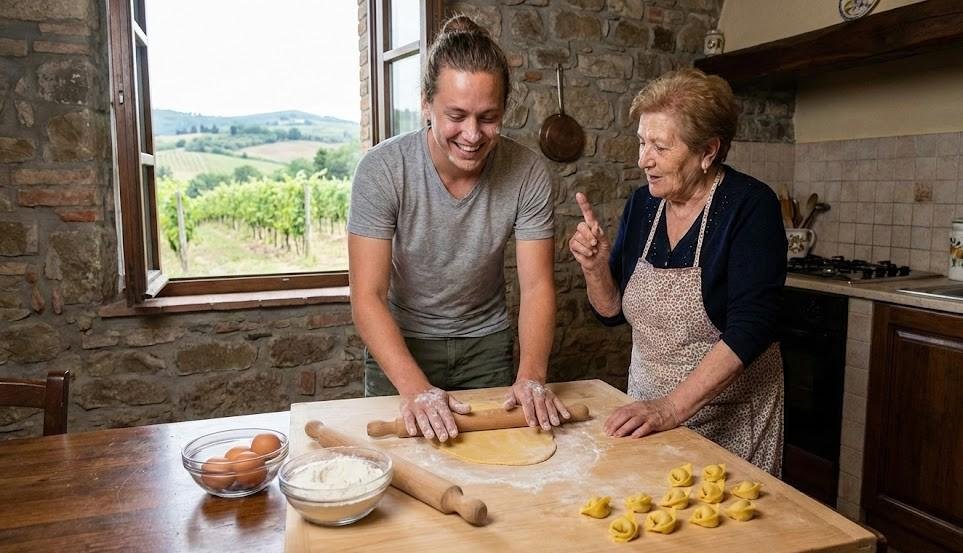
Not all experiences marketed as authentic regional food tours deliver genuine immersion. Apply these criteria when evaluating tasting Italy: a journey through regional food tours options:
- Producer Access Over Restaurant Focus: Tours centered on visiting actual production facilities—dairy farms, olive mills, vineyards with working wine cellars—provide deeper understanding than multi-restaurant eating itineraries
- Family-Run Operations Rather Than Industrial: Seek experiences with multi-generational family businesses where traditional methods still govern production, not factory tours designed for mass tourism
- Hands-On Participation Guaranteed: Confirm you’ll actively participate in making pasta, pressing cheese, or harvesting ingredients rather than merely observing demonstrations
- Local Guides with Agricultural Background : The best guides possess genuine relationships with producers, often having worked in food production themselves, and can explain technical aspects of fermentation, aging, or cultivation
- Small Group Commitments: Maximum six participants ensures everyone receives individual attention, can ask detailed questions, and often leads to spontaneous invitations to family meals
- Off-Season Availability: Tours operating year-round, adapting to seasonal rhythms rather than running identical experiences regardless of harvest cycles, demonstrate authentic agricultural connections
Book directly through agriturismi (farm-stay operations), regional slow food chapters, or culinary schools with established producer relationships rather than international tour aggregators who contract with tourist-focused facilities.
Understanding Protected Designation Systems
Italy’s DOP (Denominazione di Origine Protetta) and IGP (Indicazione Geografica Protetta) certifications aren’t marketing gimmicks—they legally protect specific production methods, geographic boundaries, and ingredient requirements.
When touring Parma, you’ll learn that authentic Prosciutto di Parma DOP must come from pigs fed specific whey byproducts from Parmigiano-Reggiano production, slaughtered at minimum nine months age, then aged at least twelve months in Parma’s unique climate.
These regulations ensure the tasting Italy: a journey through regional food tours you’re experiencing represents genuine tradition rather than industrialized approximation. Ask producers to explain their certification processes—passionate artisans will enthusiastically detail requirements they meet to earn protected status.
Recognizing Quality Through Specific Indicators
Regional food tours teach you to assess quality through methods locals use:
- Parmigiano-Reggiano: Check the pin-dot certification marks, examine the grainy crystal structure that develops after 24+ months aging, and learn the “tapping” technique that reveals internal quality
- Balsamic Vinegar: Understand the difference between aceto balsamico tradizionale (aged minimum 12 years in wooden barrel succession) versus commercial balsamic (often just wine vinegar with caramel coloring)
- Olive Oil: Learn to identify the peppery throat sensation (pizzica) that indicates high-polyphenol extra virgin olive oil pressed from olives harvested at optimal ripeness
- Mozzarella: Recognize the slightly sour milk aroma, check for whey liquid inside the packaging, and understand the springy texture that indicates fresh production within 48 hours
These assessment skills transform you from a tourist into an informed consumer who can identify authentic products even after returning home.
Frequently Asked Questions
Most travel lovers of Italy have the following frequently asked questions on tasting Italy: a journey through regional food tours;
What distinguishes authentic regional food tours from standard culinary tourism in Italy?
Authentic experiences involve direct producer interaction at working farms, dairies, and mills where you participate in production processes, learn technical methods, and taste ingredients at their source rather than consuming pre-prepared dishes in tourist-oriented restaurants or cooking schools disconnected from agricultural reality.
How far in advance should travelers book specialized food tours in Italy?
Reserve truffle hunting experiences and small-group producer visits three to four months ahead, especially for autumn harvest periods and white truffle season. Summer bookings require six to eight weeks advance notice, while winter shoulder season sometimes accommodates last-minute arrangements within two to three weeks.
Can dietary restrictions be accommodated on traditional Italian regional food tours?
Vegetarian adaptations work well since many regional specialties naturally exclude meat; vegan requirements prove more challenging in dairy-focused regions like Emilia-Romagna or Campania. Gluten-free participants face significant limitations since pasta-making and bread traditions dominate most tours. Always communicate restrictions when booking, not upon arrival at production facilities.
What language skills are necessary for participating in regional Italian food tours?
English-speaking guides serve most established tours, though direct producer interactions may require Italian comprehension. Basic food-related Italian vocabulary significantly enriches experiences, allowing you to ask technical questions about fermentation processes, aging timelines, and traditional versus modern production methods that guides might not translate completely.
How much should travelers budget beyond the base tour cost for regional food experiences?
Allocate additional 40-60% of tour costs for purchasing products directly from producers you visit, tipping guides appropriately (€10-€20 per person for full-day experiences), and spontaneous tastings at markets or specialty shops encountered during tours. Premium experiences like white truffle dinners require separate substantial budgets beyond standard tour fees.
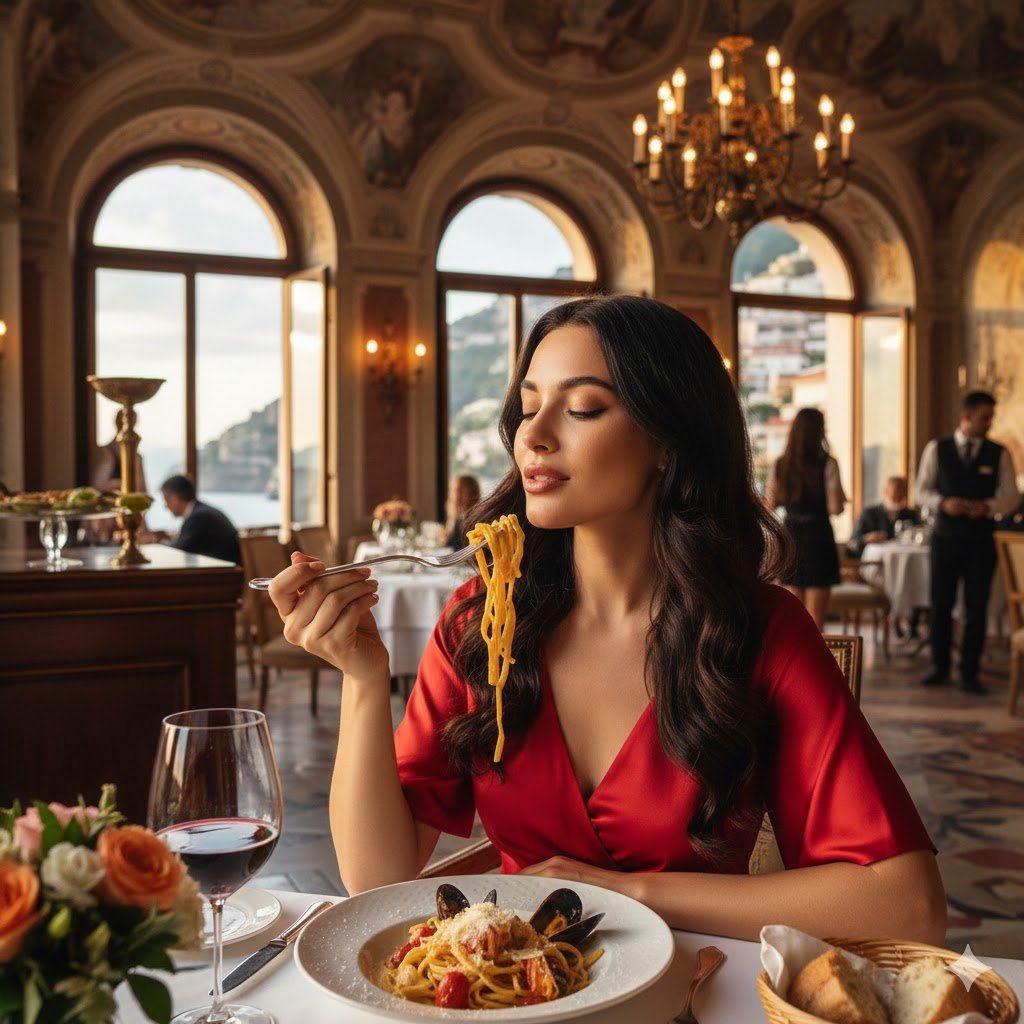
Conclusion: Transforming Travel Through Authentic Culinary Connection
Tasting Italy: a journey through regional food tours fundamentally differs from conventional tourism by replacing superficial sampling with genuine understanding.
When you’ve rolled pasta beside Bolognese grandmothers who’ve perfected their technique across sixty years, descended into Modena attics where balsamic vinegar ages in century-old barrel sequences, or walked Piedmont forests with truffle hunters whose dogs represent generations of breeding and training, you’ve moved beyond eating into cultural preservation participation.
Italy’s 800+ certified traditional products exist because local communities refused industrialization’s efficiency in favor of maintaining ancestral methods, even when economically disadvantageous. The 72-hour San Marzano tomato harvest window, the altitude-specific grazing requirements for Parmigiano-Reggiano dairy herds, the hand-stretching that distinguishes genuine mozzarella—these aren’t quaint traditions but living practices connecting contemporary Italians to their agricultural heritage.
The knowledge gained through tasting Italy: a journey through regional food tours extends far beyond vacation memories. You’ll return home able to identify authentic products, understand why specific ingredients cost what they do, and appreciate that great cuisine emerges from soil quality, climate specificity, and human dedication to craft rather than recipe replication alone.
Every region offers distinct education—Ligurian pesto-making teaches you that authentic basil requires specific coastal growing conditions; Sardinian pecorino production reveals how sheep breed and pasture composition affect cheese flavor; Sicilian cassata workshops demonstrate how Arab sugar techniques merged with Spanish sponge cake traditions creating unique confections found nowhere else globally.
These experiences transform how you’ll approach food permanently, whether shopping at your local market or dining in Italian restaurants thousands of miles from where you learned to distinguish between commercial balsamic and tradizionale aged through decades. You’ve gained not just taste memories but the contextual knowledge that separates informed appreciation from casual consumption.
Related Contents:
- How Much Does It Cost to Visit Italy: Real Budget from Rome to Sicily
- How Much Does it Cost to Travel to Japan: Complete Budget Breakdown
- How to Plan a Solo Trip: Essential Tips & Safety Strategies
- Complete Guide to Solo Travel: Safety Tips, Budget & Best Destinations for Beginners
- Complete Guide to Hiking the Dolomites: Trails, Costs & Packing List for Beginners
- The 5 Best Carry-on Luggage You Should Consider Today
- The 5 Best Travel Gears You Should Consider Today
- The 5 Best Hiking Boots For Your Next Trip
- The 5 Best Rain Jackets For Men and Women
- The 5 Best Travel Backpacks You Should Consider Today